


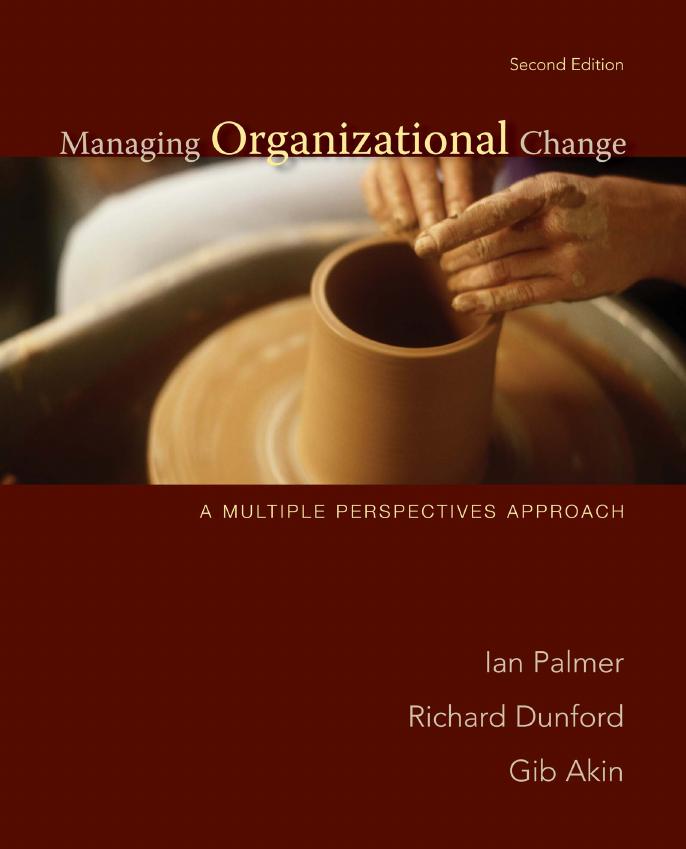
Managing Organizational Change A Multiple Perspectives 2nd Edition by Ian Palmer, Richard Dunford, Gib Akin ISBN 0073404993 978-0073404998
Original price was: $70.00.$35.00Current price is: $35.00.
Instant download Managing Organizational Change A Multiple Perspectives 2nd Edition by Ian Palmer after payment
Managing Organizational Change A Multiple Perspectives 2nd Edition by Ian Palmer, Richard Dunford, Gib Akin – Ebook PDF Instant Download/Delivery: 0073404993, 978-0073404998
Full download Managing Organizational Change A Multiple Perspectives 2nd edition after payment
Product details:
ISBN 10: 0073404993
ISBN 13: 978-0073404998
Author: Ian Palmer, Richard Dunford, Gib Akin
Managing Organizational Change, by Palmer/Dunford/Akin, provides managers with an awareness of the issues involved in managing change, moving them beyond “one-best way” approaches and providing them with access to multiple perspectives that they can draw upon in order to enhance their success in producing organizational change. These multiple perspectives provide a theme for the text as well as a framework for the way each chapter outlines different options open to managers in helping them to identify, in a reflective way, the actions and choices open to them. The authors favor using multiple perspectives to ensure that change managers are not trapped by a “one-best way” of approaching change which limits their options for action.Changing organizations is as messy as it is exhilarating, as frustrating as it is satisfying, as muddling-through and creative a process as it is a rational one. This book recognizes these tensions for those involved in managing organizational change. Rather than pretend that they do not exist it confronts them head on, identifying why they are there, how they can be managed and the limits they create for what the manager of organizational change can achieve.
Managing Organizational Change A Multiple Perspectives 2nd Table of contents:
-
Introduction: The Need for Organizational Change
- The importance of change in organizations
- Drivers of change: external pressures, technology, globalization
- Overview of the different perspectives on managing organizational change
- The challenges and opportunities of change
-
Theories and Models of Organizational Change
- Classic models of change (e.g., Lewin’s Three-Stage Model, Kotter’s 8-Step Model)
- Contemporary models of change (e.g., the McKinsey 7-S Framework, the ADKAR Model)
- Comparison of different change models and their applicability
-
Understanding Organizational Culture and Change
- The role of organizational culture in the change process
- How to align organizational culture with change efforts
- Overcoming resistance to change rooted in organizational culture
-
Leadership and Change Management
- The role of leadership in guiding and influencing change
- Leadership styles and their impact on change efforts
- Building a vision for change and engaging stakeholders
-
The Psychological and Human Side of Change
- Understanding the psychological aspects of change (e.g., fear, uncertainty, resistance)
- Managing employee emotions and expectations during change
- The role of communication in overcoming resistance to change
- Employee engagement and involvement in the change process
-
Planning and Implementing Organizational Change
- Steps in planning and executing change initiatives
- Change readiness assessments and diagnostics
- Structuring change initiatives for success
- The role of project management in implementing change
-
Resistance to Change: Causes and Strategies
- Common causes of resistance to change
- Strategies for managing and overcoming resistance
- Creating a change-friendly environment and culture
- Case studies of resistance and strategies for overcoming it
-
Change Communication Strategies
- The importance of clear and transparent communication
- Techniques for effective communication during organizational change
- Stakeholder analysis and communication planning
- Tools for addressing misinformation and managing rumors
-
Sustaining Change: Embedding and Institutionalizing Change
- The importance of sustaining change over the long term
- Strategies for embedding change into organizational processes
- The role of monitoring and feedback in sustaining change
- Evaluating the success of change initiatives and making adjustments
-
Innovation and Change
- The relationship between innovation and organizational change
- Encouraging creativity and innovation during change
- Managing the balance between innovation and organizational stability
- Case studies of organizations that have successfully driven innovation through change
-
Global Perspectives on Organizational Change
- Managing change in multicultural and global organizations
- The impact of global trends and external factors on organizational change
- Strategies for managing cross-cultural and international change
- The role of globalization in shaping change initiatives
-
The Future of Organizational Change
- Emerging trends in organizational change management (e.g., digital transformation, agile methodologies)
- The impact of technology and data analytics on change management
- Preparing organizations for future change and uncertainty
- Adapting to a rapidly changing business environment
-
Case Studies and Real-World Applications
- Case studies from various industries demonstrating the principles of managing change
- Analysis of successful and failed change initiatives
- Lessons learned from real-world examples
-
Conclusion: Integrating Perspectives on Organizational Change
- Summary of key takeaways from the multiple perspectives on change management
- The importance of a holistic approach to managing change
- Final thoughts on navigating organizational change effectively
People also search for Managing Organizational Change A Multiple Perspectives 2nd:
four main approaches to managing organizational change
approaches to managing organizational change ppt
strategies for managing organizational change
what is an essential skill for managing organizational change effectively
how does marketing contribute to managing organizational change
Tags:
Ian Palmer,Richard Dunford,Gib Akin,Managing Organizational,Multiple Perspectives