


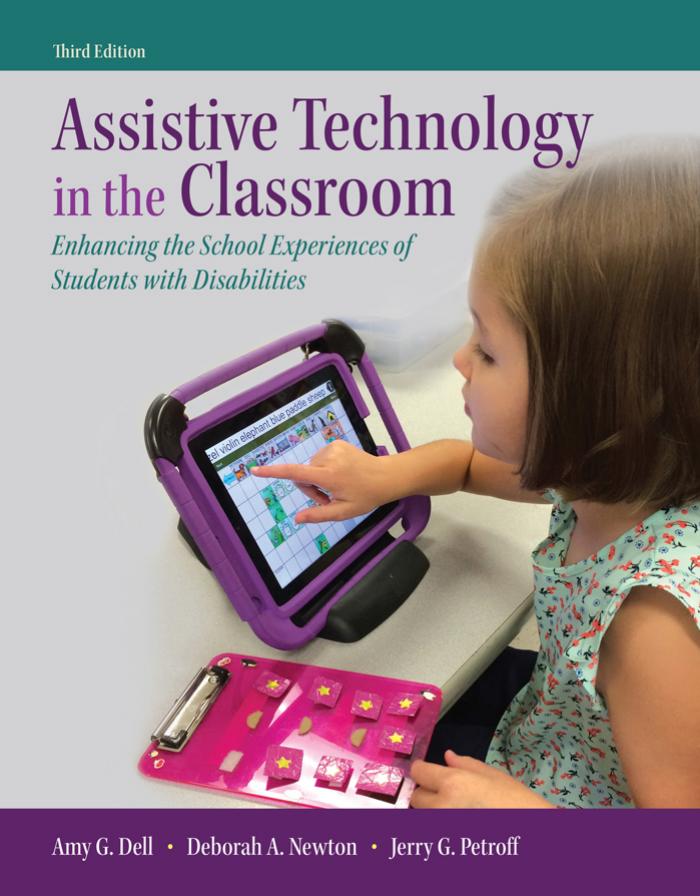
Assistive Technology in the Classroom Enhancing the School Experiences of Students with Disabilities 3rd edition by Amy Dell, Deborah Newton, Jerry Petroff ISBN 0134170763 9780134170763
Original price was: $70.00.$35.00Current price is: $35.00.
Instant download Assistive Technology in the Classroom Enhancing the School Experiences of Students with Disabilities Wei Zhi after payment
Assistive Technology in the Classroom Enhancing the School Experiences of Students with Disabilities 3rd edition by Amy Dell, Deborah Newton, Jerry Petroff – Ebook PDF Instant Download/Delivery: 0134170763, 9780134170763
Full download Assistive Technology in the Classroom Enhancing the School Experiences of Students with Disabilities 3rd edition after payment
Product details:
ISBN 10: 0134170763
ISBN 13: 9780134170763
Author: Amy Dell, Deborah Newton, Jerry Petroff
This is the eBook of the printed book and may not include any media, website access codes, or print supplements that may come packaged with the bound book. This up-to-date book shows how assistive technology can be used in all kinds of classrooms, at all grade levels, to enhance the teaching and learning of students with a wide range of disabilities. The emphasis is on the integration of assistive technology into the curriculum. It addresses the challenges teachers face when using assistive technology to teach new skills to students with disabilities, to increase their independence and productivity, and to provide them with access to the general education curriculum. The text discusses disability categories within the context of school-related tasks and technology-based solutions to avoid misleading readers into simply pairing a certain diagnosis with a certain tech tool. The new edition of Assistive Technology in the Classroom keeps readers abreast of relevant new developments in mobile devices and assistive technology through a new chapter on how to use assistive technology to create visual supports and promote positive behavior, chapter updates on available mobile devices, expanded information on Universal Design for Learning, and additional ideas and discussion on how to match technology tools to a student’s specific needs and strengths.
Assistive Technology in the Classroom Enhancing the School Experiences of Students with Disabilities 3rd Table of contents:
Part 1 Benefits of Technology Use in Special Education
1 Introduction to Assistive Technology
Learning Outcomes
Introduction
What Is Assistive Technology?
Related Terms
The Legal Basis for Assistive Technology
Individuals with Disabilities Education Act
Section 504 of the Rehabilitation Act of 1973
Americans with Disabilities Act
National Education Technology Plan
Common Core State Standards
Brief History of Assistive Technology
Recent Developments in Technology
Focus of This Text
Assistive Technology Decision-Making Process
Universal Design
Universal Design for Learning
A Note on Terminology
A Note on Product Names
Conclusion
Summary
Web Resources
Overviews of Assistive Technology
Low-Tech Tools
Assistive Technology Videos
Laws Governing Assistive Technology
History of Assistive Technology
Philosophy of This Text
Disability Rights Movement
Universal Design
Universal Design in Operating Systems
Suggested Activities
2 Assistive Technology to Support Writing
Learning Outcomes
Introduction
Problems That Students with Disabilities Have with Writing
Technology Tools that Support the Writing Process
Low-Tech Adaptations for Writing
Prewriting: Graphic Organizers
Drafting
Word Processing Apps:
Keyboarding:
Word Processing with Text-to-Speech:
Writing Tools at the Emergent Literacy Level
Word Prediction Apps:
Integrated Writing Apps
AutoCorrect:
Speech Recognition Apps:
Reviewing and Editing
Spell-Checks:
Thesauruses:
Grammar Checkers:
Track Changes, Insert Comments Features, and Wikis:
Sharing or Publishing
Technology Tools that Support Note Taking
Smartpens and iPad Apps
Portable Braille Note Takers
Capturing Devices
Note-Taking Services for Deaf/Hard-of-Hearing Students
Technology Alone Will Not Improve Students’ Writing
Instruction on the Writing Process
Instruction on Technology Tools for Writing
Putting It All Together
Summary
Web Resources
Writing Process
Graphic Organizers
Text-to-Speech and Word Prediction
Other Support for Editing
Speech Recognition
For Emergent Writers
Blogs in Education
Wikis in Education
Note Takers
Capturing Devices
Captioning for People Who Are Deaf/Hard of Hearing
Keyboarding
Teacher Resources from Microsoft in Education
Suggested Activities
3 Assistive Technology to Support Reading
Learning Outcomes
Introduction
Reading Problems in Students with Disabilities: Extent of the Problem
Reading to Learn: Technology as a Compensation Tool
Text-to-Speech
Alternative Formats
Scan/Read Systems
Scan/Read Systems for Students Who Are Blind or Visually Impaired
National Instructional Materials Accessibility Standard
Aim Navigator
Commercial e-Readers
Commercially Available Audio Books
Online Libraries of Talking e-Books and Interactive e-Books
Learning Ally:
Other Compensatory Reading Tools: Adapted Books
Scan/Read Provides Access to Content
High-Interest/Low-Level Reading Materials Provide Access to the Curriculum
Teaching Children to Read: What We Know about Evidence-Based Strategies
Findings of the NRP: Topic Areas
Phonemic Awareness:
Phonics:
Fluency:
Comprehension:
Vocabulary:
How Technology Can Help Children Learn to Read
Technology as a Remediation Tool
Phonemic Awareness and Phonics:
Fluency:
Vocabulary:
Reading Comprehension:
Interesting Reading Materials on the Internet:
Decision Making: Instructional Tool or Compensatory Tool?
Summary
Web Resources
Accessible Instructional Materials and Alternative Formats
Text-to-Speech
Devices That Read Braille Format
Scan/Read Software
Mobile Scan/Read Solution
Sources of Audio Books
Talking e-Books for Children Online
Creating Talking e-Books
Adapted Books
Summarizing Tools
Learning to Read
Phonemic Awareness Instruction
Intensive Training in Phonological Processes
Reading Comprehension Tools
Making Reading on the Web Easier
Information for Parents
Suggested Activities
4 Technology to Support Universal Design for Learning and Differentiated Instruction
Learning Outcomes
Introduction
UDL Principle 1: Multiple Means of Representation
Provide Multiple Means of Representation
What Multiple Means of Representation Looks Like in a Classroom
Making Websites More Readable
UDL Principle 2: Multiple Means of Action and Expression
Provide Multiple Means of Action and Expression
What Multiple Means of Action and Expression Look Like in a Classroom
UDL Principle 3: Multiple Means of Engagement
Provide Multiple Means of Engagement
What Multiple Means of Engagement Looks Like in a Classroom
Web Accessibility
Summary
Web Resources
Universal Design for Learning
Multiple Means of Representation
Multiple Means of Action and Expression
Multiple Means of Engagement
Web Accessibility
Suggested Activities
5 Technology Tools to Support the Teaching of Math
Learning Outcomes
Introduction
Addressing the Needs of Students with Disabilities
Desirable Features of Educational Applications
Selecting Educational Applications: Focus on Math
Automaticity and Fluency
Technology-Based Activities That Address Automaticity/Math Fact Fluency:
Visual-Spatial or Motor Control Difficulties
Educational Apps That Address Visual-Spatial and Motor Control Difficulties:
Math Concepts, Skills, and Problem Solving
Educational Applications That Address Math Concepts, Skills, and Problem Solving:
Educational Applications for Teaching Functional Math Skills:
Authoring Applications:
Low-Tech and Mid-Tech Adaptations for Teaching Math
Summary
Web Resources
Enhancing Instruction with Computers and Mobile Technology
Reviews of Educational Apps
Educational Apps That Teach Math
Educational Applications That Address Motor Control Issues in Math
Educational Apps: Math Concepts, Skills, and Problem Solving
For Teacher-Created Learning Activities
Suggested Activities
6 Assistive Technology to Enhance Communication
Learning Outcomes
Introduction
The Importance of Communication: Part 1
Problems Students Who Are Deaf or Hard of Hearing Have with Communication
Students Who Are Deaf:
Students Who Are Hard of Hearing:
Communication Problems in School
Technology Tools That Address Communication Problems for Students Who Are Deaf or Hard of Hearing
Hearing Lectures with Assistive Listening Devices
Types of Assistive Listening Devices
FM System:
Infrared System:
Induction Loop System:
Soundfield Amplification System:
Interacting with Teachers and Peers Outside Class
T-Mobile Sidekick for Texting and SIPRelay
VP-200 Video Phone with Video Relay Service
The Importance of Communication: Part 2
Problems Students with Physical Disabilities or Autism Have with Communication
Problems Resulting from Communication Problems
Technology Tools That Address Communication Problems for Students Who Cannot Speak: Augmentative Communication
Early Communication Boards
Independence through Technology
The Dream Job
Update: Anthony Arnold in 2010
Summary
Web Resources
Alerting Devices
Cochlear Implants
Relay Services
Assistive Listening Devices
Video Captioning
Speech-to-Text Services
Augmentative Communication
Perspectives of Augmentative Communication Users
Autism and Communication
Suggested Activities
7 Assistive Technology to Create Visual Supports and Support Positive Behavior
Learning Outcomes
Problems Students with Autism and Other Disabilities Have with Behavior
What Are Visual Supports?
Picture Schedules
Video Modeling
Social Stories
Apps for Creating and Reading Social Stories
Other Tools for Behavior Interventions
Web Resources
Positive Behavior Supports
Visual Supports for Students with Autism and Complex Disabilities
Picture Schedules and Activity Sequences
Social Stories
Data Collection App
Suggested Activities
Part 2 Access to Computers and Mobile Devices
8 Providing Access to Computers and Mobile Devices: Using What You Have
Learning Outcomes
Introduction
Universal Design: Flexibility in Use
Choice in Input and Output Methods
Adaptability to Left- and Right-Handed Users
Variations in Precision and Accuracy
Adaptability to the User’s Pace
Flexibility in Use: A Summary
Accessibility Features for Users with Disabilities
Keyboard Modifications and Mouse Control
Sticky Keys:
Slow Keys/Filter Keys:
Mouse Keys:
On-Screen Keyboards:
Modifications for Students with Sensory Impairments
Hard of Hearing and Deafness:
Visual Impairments or Blindness:
iPads, Android Tablets, and Chromebooks
Summary
Web Resources
Keyboard Shortcuts
Windows 10 Accessibility Features
iOS and Macintosh OS X Accessibility Features
Chrome OS Accessibility Features
Android Accessibility Features
Suggested Activities
9 Assistive Technology for Accessing Computers and Mobile Devices
Learning Outcomes
Introduction
Low-Tech Adaptations for Computer Use
Keyboard Labels
Selecting/Pointing Devices
Keyguards
Moisture Guards
Alternative Input Devices: Mouse Alternatives
Trackballs
Joysticks
Head-Pointing Systems
Eye-Gaze System
Technology Needs Change as Dylan Gets Older
SmartNav Hands-Free Mouse with On-Screen Keyboard
Alternative Input Devices: Alternative Keyboards
Expanded Keyboards
Mini-Keyboards and Keyboards for Mobile Devices
One-Handed Keyboards
On-Screen Keyboards
Single Switches for Scanning and Morse Code
Speech Recognition
First School Experience at Age Nine
Single-Switch Scanning with Write: OutLoud and Co: Writer
Technology Offers Power and Control
Alternative Output Options
Screen Magnification
Screen Readers
Refreshable Braille
Braille Embossers
Summary
Web Resources
Low-Tech Adaptations for Computer Access
Mouse Alternatives
Alternative Keyboards
On-Screen Keyboards
Dvorak Keyboard Layout
Switches
Morse Code Computer Access
Speech Recognition
Assistive Technology for Students with Visual Impairments
Suggested Activities
Part 3 Augmentative Communication
10 Selecting and Designing a Student’s Augmentative Communication System
Learning Outcomes
Introduction
Considerations in System Selection and Design
Myths and Realities
Who Should Assess: The Collaborative Team Assessment Approach
How Should the Team Assess: Features of the Collaborative Assessment Process
Features of the Process of Selecting Augmentative Communication Systems
Which Components Must Be Identified: Symbols, Vocabulary, and Access Method
How Are Symbol Systems Selected?
How Is Vocabulary Selected?
How Are Symbols Grouped or Arranged?
Which Methods Can Be Used to Determine Access?
Vocabulary Selection
Sample Age-Appropriate Messages Stored on a Student’s Augmentative Communication Device
A Collaborative Effort
Which Other Features Need to Be Considered?
Mobile Devices for Augmentative Communication:
Evaluating the Efficiency and Effectiveness of a Student’s Augmentative Communication System
Summary
Web Resources
More from Michael Williams, Writer and AAC User
AT/AAC Enables: How Assistive Technology (AT) and Augmentative and Alternative Communication (AAC) Enable Individuals with Disabilities to Participate in All Aspects of Life: Resources from the University of Washington
Augmentative Communication Devices
Collaborative Teaming for Assessment
Cerebral Palsy
Symbol Systems
Tactile Symbols
Apps for iPads and Other Mobile Devices
Research and New Developments
Suggested Activities
11 Assistive Technology Approaches to Teaching Early Communication and Emergent Literacy
Learning Outcomes
Introduction
What Is Communication?
How Do Communication and Language Develop?
Which Factors Promote Communication and Language Development?
Challenges to Early Communication Development in Students with Disabilities
Technology Tools that Support Early Communication Development
Determining the Appropriate Use of Switches for Early Communication
Examples of Switch Technology for Early Communication in the Classroom
Emergent Literacy
Summary
Web Resources
Low-Tech and Mid-Tech Communication Devices
Tangible and Tactile Symbols
Strategies to Teach Early Communication
Ideas and Materials to Support Emergent Literacy
Digital Books for Emergent Literacy
Literacy Curriculum for Students with Severe Disabilities
Suggested Activities
12 Integrating Augmentative Communication in the Classroom, Home, and Community
Learning Outcomes
Introduction
Supportive Environments for Augmentative Communication Users: The Teacher’s Role
Curriculum Issues
Ongoing Skill Development in Communication
Implementing Environmental Communication Teaching
Integrating Augmentative Communication into the Classroom
Increasing Independence and Competence
Creating and Organizing the Overlays and Symbols
Positive Results
Importance of Monitoring Communication Development
Importance of Selecting Appropriate Vocabulary
Use of Peers and Others as Communication Facilitators
Other Strategies
Need for Teacher Training
Not Everything Is High Tech
Infusing Communication Development within the IEP
Implementation Issues
Transition from School to School and from Teacher to Teacher
Home and Community Use
Using Augmentative Communication in the Community
Augmentative Communication Resources for Teachers
Summary
Web Resources
Supporting Augmentative Communication Users
Pivotal Response Training
Direct Instruction
Augmentative Communication Online Communities
Resources for Teachers and Speech-Language Pathologists
Professional Development for Teachers of Students Who Use Augmentative Communication
Latest Information on Advancements in Augmentative Communication
Parent Advocacy and Home-School Collaboration
Suggested Activities
Part 4 Putting It all Together and Making It Happen
13 Issues In Decision-Making: Selecting Appropriate Assistive Technology Tools
Learning Outcomes
Introduction
Hallmarks of Exemplary Assistive Technology Decision Making and Assessment
Use of a Team Approach in Assistive Technology Assessment
Focus on Student Needs and Abilities
Examination of Tasks to Be Completed
Consideration of Relevant Environmental Issues
Trial Use of Assistive Technology
Providing Necessary Supports
Viewing Assessment as an Ongoing Process
Resources to Guide Assistive Technology Assessment
Quality Indicators for Assessment of Assistive Technology Needs
Assistive Technology Decision-Making Guides
Education Tech Points for Assistive Technology Planning
SETT Framework
Summary
Web Resources
Assistive Technology Teams
Assistive Technology Assessment
Assistive Technology Decision-Making Guides
Suggested Activities
14 Implementation of Assistive Technology in Schools
Learning Outcomes
Authors’ Note on the Third Edition
Introduction
Legal Basis for Assistive Technology
Consideration of Assistive Technology during IEP Development
Assistive Technology in the Iep: One of the Special factors
Supplementary Aids and Services and Related Services
Implementing Assistive Technology Recommendations
Critical Issues in Assistive Technology Implementation
Educational Professionals’ Lack of Knowledge and Skills
Assistive Technology Consideration Misunderstood
The Digital Divide
Culture
Information Technology Policies
Funding
Summary
Web Resources
Assistive Technology and the Law
Resources from CEC’s Technology and Media Division (TAM)
Resources on Assistive Technology Implementation and Training
Digital Divide
Suggested Activities
15 Implementation of Assistive Technology in Transition Planning
Learning Outcomes
Preparation for the Transition from High School to College
Problems Students with Disabilities Face in College
Typical Accommodations at College that Meet These Needs
There Are No IEPs in College
Reasonable Accommodations
Procedures for Obtaining Assistive Technology in College
Legal and Procedural Differences between ADA and IDEA
Importance of Transition Planning in High School
Assistive Technology Skills
Self-Advocacy Skills
Assistive Technology for the Transition from High School to Home, Workplace, and Community
Visual and Audio Supports in the Community
Audio Prompting
Visual Supports
Technology to Teach Functional Skills
Instructional Applications to Teach Functional Skills
Authoring Applications to Teach Functional Skills
Expanding Literacy for Students with Complex Disabilities
Assistive Technology for Self-Care and Leisure Activities
Planning for the Transition to Home, Workplace, and Community
Summary
Web Resources
Students with Learning Disabilities in College
Legal Issues in Higher Education
Transition Planning in High School
Self-Advocacy
Technology to Teach Functional Skills
Low-Tech and Simple Technology for Self-Care and Leisure Activities
Suggested Activities
References
Index
People also search for Assistive Technology in the Classroom Enhancing the School Experiences of Students with Disabilities 3rd:
using assistive technology in the classroom
what is assistive technology in the classroom
impact of assistive technology in the classroom
why is assistive technology important in the classroom
assistive technology in the classroom examples
Tags: Amy Dell, Deborah Newton, Jerry Petroff, Assistive Technology, School Experiences