

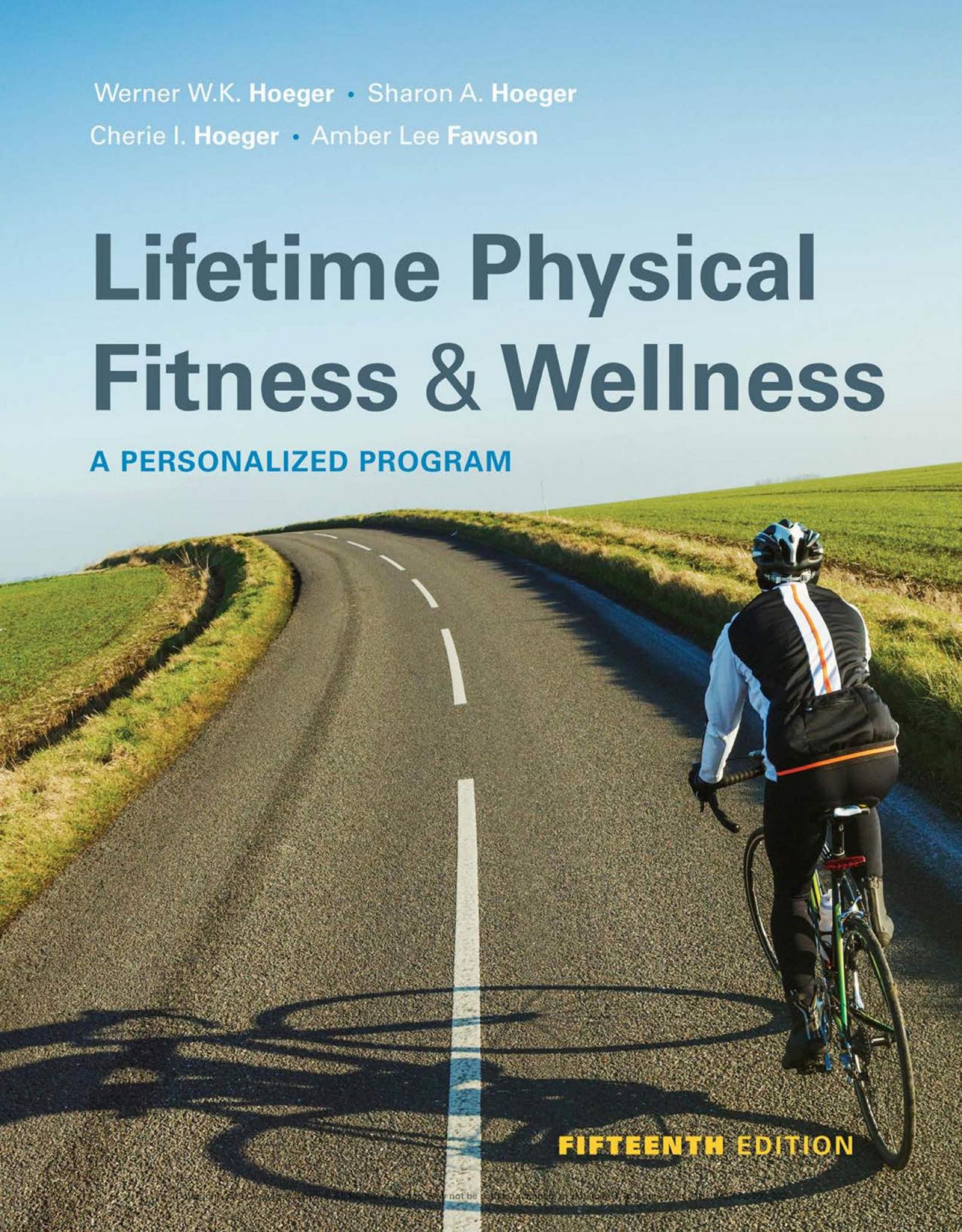
Lifetime of Physical Fitness and Wellness 15th Edition by Werner Hoeger, Sharon Hoeger, Cherie Hoeger, Amber Fawson – Ebook PDF Instant Download/Delivery: 1337392685, 978-1337392686
Full download Lifetime of Physical Fitness and Wellness 15th edition after payment
Product details:
ISBN 10: 1337392685
ISBN 13: 978-1337392686
Author: Werner Hoeger, Sharon Hoeger, Cherie Hoeger, Amber Fawson
Helping you take control of your health, LIFETIME PHYSICAL FITNESS AND WELLNESS, 15th Edition, provides the information and tools you need to make positive choices and lasting change. Assess your current behaviors, identify potential problem areas and apply practical steps to start positive changes. Vivid illustrations, descriptive examples and personal testimonies from other students bring chapter concepts to life. Hands-on activities help you assess your fitness and wellness level and put chapter concepts into personal practice, while Chapter 9 gives you the confidence to write your own exercise programs for every stage of life. Online resources reinforce key concepts through behavior modification planning activities, practice tests, online labs and a behavior change planner. Empower yourself to make positive changes and improve your health with LIFETIME PHYSICAL FITNESS AND WELLNESS.
Lifetime of Physical Fitness and Wellness 15th Table of contents:
Chapter 1. Physical Fitness and Wellness
1.1. The Wellness Challenge for You Today
1.2. Life Expectancy
The Gender Gap in Life Expectancy
The Need to Prevent Disease, Not Only Cure It
1.3. Leading Health Problems in the United States
Diseases of the Cardiovascular System
Cancer
Chronic Lower Respiratory Disease
Accidents
Medical Error in U.S. Hospitals: An Untracked Mortality Risk
1.4. Physical Activity Affects Health and Quality of Life
Exercise Is Medicine
1.5. Additional Benefits of a Comprehensive Fitness Program
Health Benefits
Exercise and Brain Function
1.6. Sitting Disease: A 21st-Century Chronic Disease
1.7. Physical Activity and Exercise Defined
1.8. Types of Physical Fitness
1.9. Fitness Standards: Health versus Physical Fitness
Health Fitness Standards
Physical Fitness Standards
Which Program Is Best?
1.10. Federal Guidelines for Physical Activity
Adults between 18 and 64 Years of Age
1.11. Monitoring Daily Physical Activity
Pedometers and Activity Trackers
Recommended Steps per Day
1.12. Economic Benefits of Physical Activity
1.13. Wellness
The Seven Dimensions of Wellness
Physical Wellness
Emotional Wellness
Mental Wellness
Social Wellness
Environmental Wellness
Occupational Wellness
Spiritual Wellness
1.14. Meeting the Challenge for Our Day
1.15. Wellness Education: Using This Book
A Personalized Approach
Exercise Safety
1.16. Assessment of Resting Heart Rate and Blood Pressure
Mean Blood Pressure
Assess Your Behavior
Assess Your Knowledge
Activity 1.1. Daily Physical Activity Log
Activity 1.2. Wellness Lifestyle Questionnaire
Activity 1.3. PAR-Q and Health History Questionnaire
Activity 1.4. Resting Heart Rate and Blood Pressure
Activity 1.5. Dimensions of Wellness—Setting Your Goal
Quick Reference
Chapter 2. Behavior Modification
2.1. Living in a Toxic Health and Fitness Environment
Environmental Influence on Physical Activity
Environmental Influence on Diet and Nutrition
2.2. Keys to Changing Behavior
2.3. Personal Values and Behavior
2.4. Your Brain and Your Habits
Changing Habits through Mindfulness and Repetition
Changing Habits by Focusing on Long-Term Values
2.5. Planning and Willpower
Growth verses Fixed Mindset
Implementation Intentions
2.6. Self-Efficacy
Sources of Self-Efficacy
2.7. Motivation and Locus of Control
2.8. Barriers to Change
2.9. Behavior Change Theories
Learning Theories
Problem-Solving Model
Social Cognitive Theory
Relapse Prevention Model
Humanistic Theory of Change
2.10. The Transtheoretical Model of Change
Relapse
2.11. The Process of Change
Consciousness-Raising
Techniques of Change
2.12. Goal Setting and Evaluation
Smart Goals
Goal Evaluation
Assess Your Behavior
Assess Your Knowledge
Activity 2.1. Exercising Control over Your Physical Activity and Nutrition Environment
Activity 2.2. Behavior Modification Plan
Activity 2.3. Setting SMART Goals
Quick Reference
Chapter 3. Nutrition for Wellness
3.1. Nutrients
3.2. Carbohydrates
Simple Carbohydrates
Complex Carbohydrates
Fiber
Types of Fiber
Computing Daily Carbohydrate Requirement
3.3. Fats (Lipids)
Simple Fats
Compound Fats
Derived Fats
3.4. Proteins
3.5. Vitamins
3.6. Minerals
3.7. Water
3.8. A Healthy Diet
3.9. Nutrition Standards
Dietary Reference Intakes
3.10. Nutrient Analysis
3.11. Achieving a Balanced Diet
3.12. Choosing Healthy Foods
3.13. Vegetarianism
Nutrient Concerns
3.14. Nuts
3.15. Soy Products
3.16. Probiotics
3.17. Advanced Glycation End Products
3.18. Diets from Other Cultures
Mediterranean Diet
Ethnic Diets
3.19. Nutrient Supplementation
Antioxidants
Multivitamins
Vitamin D
Folate
3.20. Benefits of Foods
3.21. Functional Foods
3.22. Organic Foods
3.23. Genetically Modified Crops
3.24. Energy Substrates for Physical Activity
Energy (ATP) Production
3.25. Nutrition for Athletes
Carbohydrate Loading
Strenuous Exercise and Strength Training
Hyponatremia
Creatine Supplementation
3.26. Bone Health and Osteoporosis
3.27. Iron Deficiency
3.28. 2015–2020 Dietary Guidelines for Americans
Key Recommendations
Physical Activity Recommendation
3.29. Proper Nutrition: A Lifetime Prescription for Healthy Living
Assess Your Behavior
Assess Your Knowledge
Activity 3.1. Daily Nutrient Intake
Activity 3.2. Analysis of Daily Nutrient Intake
Activity 3.3. MyPlate Record Form
Activity 3.4. Nutrition Behavior Modification Plan
Suggested Readings
Quick Reference
Chapter 4. Body Composition
4.1. What Is Body Composition?
Types of Body Fat
Essential and Storage Fat
4.2. Why Does Body Composition Matter?
High Body Weight Does Not Always Mean High Body Fat
Low Body Weight Does Not Always Mean Low Body Fat
Weight Loss versus Fat Loss
Avoiding Creeping Changes in Body Composition
4.3. Body Shape and Health Risk
Subcutaneous and Visceral Fat
4.4. Techniques to Assess Body Composition
Dual Energy X-ray Absorptiometry
Hydrostatic Weighing
Air Displacement
Skinfold Thickness
Girth Measurements
Bioelectrical Impedance
4.5. Metrics Used to Assess Body Size and Shape
Body Mass Index
Waist Circumference
Waist-to-Height Ratio: “Keep your waist circumference to less than half your height.”
Obtaining an Accurate Waist Measurement
4.6. Determining Recommended Body Weight
Begin with Your Current Body Composition
Calculate Your Recommended Body Weight
4.7. Importance of Regularly Assessing Body Composition
Assess Your Behavior
Assess Your Knowledge
Activity 4.1. Body Composition Assessment and Recommended Body Weight Determination
Activity 4.2. Disease Risk Using Waist Circumference and Body Mass Index
Quick Reference
Chapter 5. Weight Management
5.1. Weight Management in the Modern Environment
The Wellness Way to Lifetime Weight Management
5.2. Overweight Versus Obese
Body Weight Affects Wellness
5.3. Tolerable Weight
Body Image and Acceptance
5.4. The Weight Loss Dilemma
Consequences of Yo-Yo Dieting
Diet Crazes
Low-Carb Diets
Exercise-Related Weight Loss Myths
Adopting Permanent Change
5.5. Mental and Emotional Aspects of Weight Management
Willpower versus Planning
Mindful Eating Versus Distracted Eating
Avoiding Perfectionism
Feelings of Satisfaction Versus Deprivation
Eating and the Social Environment
Overcoming Emotional Eating
5.6. Physiology of Weight Loss
Energy-Balancing Equation
Setpoint Theory
Maintaining Metabolism and Lean Body Mass
Rate of Weight Loss in Men versus Women
Protein, Fats, Fiber, and Feeling Satisfied
5.7. Losing Weight the Sound and Sensible Way
Estimating Your Daily Energy Requirement
Adjusting Your Fat Intake
Reducing Evening Eating
The Importance of Breakfast
Drink Water and Avoid Liquid Calories
Reducing Your Eating Occasions
Foods that Aid in Weight Loss
Whole Foods and High-Volume Low-Energy Dense Foods
Monitoring Your Diet with Daily Food Logs
5.8. Nondietary Factors that Affect Weight Management
Sleep and Weight Management
Light Exposure and BMI
Monitoring Body Weight
5.9. Physical Activity and Weight Management
Physical Activity and Energy Balance
Physical Activity Predicts Success at Weight Management
Amount of Physical Activity Needed for Weight Loss
Exercise and Body Composition Changes
Overweight and Fit Debate
5.10. Types of Exercise Recommended
Energy Expenditure Following a Weight-Loss Program
The Roles of Exercise Intensity and Duration in Weight Management
5.11. Healthy Weight Gain
5.12. Behavior Modification and Adherence to a Weight Management Program
The Simple Truth
Assess Your Behavior
Assess Your Knowledge
Activity 5.1. Estimating Your Daily Caloric Requirement
Activity 5.2. Weight-Loss Behavior Modification Plan
Activity 5.3. Calorie-Restricted Diet Plans
Activity 5.4. Healthy Plan for Weight Maintenance or Gain
Activity 5.5. Weight Management: Measuring Progress
Suggested Readings
Quick Reference
Chapter 6. Cardiorespiratory Endurance
6.1. Basic Cardiorespiratory Physiology: A Quick Survey
6.2. Aerobic and Anaerobic Exercise
6.3. Benefits of Aerobic Exercise
6.4. Assessing Physical Fitness
Responders versus Nonresponders
6.5. Assessing Cardiorespiratory Endurance
Components of VO 2
Tests to Estimate VO 2 max
Interpreting the Results of Your VO 2 max
6.6. Ready to Start an Exercise Program?
6.7. Guidelines for Developing Cardiorespiratory Endurance
Intensity
Type (Mode)
Time (Duration)
Frequency
Volume
Progression Rate
6.8. Rating the Fitness Benefits of Aerobic Activities
6.9. Getting Started and Adhering to a Lifetime Exercise Program
A Lifetime Commitment to Fitness
Assess Your Behavior
Assess Your Knowledge
Activity 6.1. Cardiorespiratory Endurance Assessment
Activity 6.2. Exercise Readiness Questionnaire
Activity 6.3. Cardiorespiratory Exercise Prescription
Activity 6.4. Cardiorespiratory Exercise Record Form
Quick Reference
Chapter 7. Muscular Fitness
7.1. Benefits of Strength-Training
Improves Functional Capacity
Improves Overall Health
Increases Muscle Mass and Resting Metabolism
Improves Body Composition
Helps Control Blood Sugar
Enhances Quality of Life as You Age
7.2. Gender Differences
7.3. Assessing Muscular Strength and Endurance
Muscular Strength: Hand Grip Strength Test
Muscular Endurance Test
Muscular Strength and Endurance Test
7.4. Basic Muscle Physiology
Types of Muscle Hypertrophy
7.5. Factors that Affect Muscular Fitness
Neural Function
Types of Muscle Fiber
Overload
Specificity of Training
Training Volume
Periodization
7.6. Guidelines for Strength-Training
Type (Mode) of Training
Intensity (Resistance)
Time (Sets)
Frequency
Results in Strength Gain
7.7. Dietary Guidelines for Strength and Muscular Development
7.8. Strength-Training Exercises
Exercise Variations
Plyometric Exercise
Core Strength-Training
Stability Exercise Balls
Elastic-Band Resistive Exercise
7.9. Exercise Safety Guidelines
7.10. Setting up Your Own Strength-Training Program
Assess Your Behavior
Assess Your Knowledge
Activity 7.1. Muscular Fitness Assessment
Activity 7.2. Strength-Training Program
Activity 7.3. Strength-Training Record Form
Quick Reference
Chapter 8. Muscular Flexibility
8.1. Benefits of Good Flexibility
Maintains Healthy Muscles and Joints
Improves Mental Health
Relieves Muscle Cramps
Improves Posture and Prevents Low Back Pain
Relieves Chronic Pain
8.2. What Factors Affect Flexibility?
Joint Structure
Adipose Tissue
Muscular Elasticity and Genetics
Body Temperature
Age
Gender
Level of Physical Activity
8.3. Assessing Flexibility
Interpreting Flexibility Test Results
8.4. Guidelines for Developing Muscular Flexibility
Types of Stretching Exercises
Physiological Response to Stretching
Frequency
Intensity
Time/Repetitions
Volume
Pattern/When to Stretch?
8.5. Flexibility Exercises
Exercises that May Cause Injury
8.6. Preventing and Rehabilitating Low Back Pain
Causes of Low Back Pain
Improving Body Posture
When to Call a Physician
Treatment Options
Personal Flexibility and Low Back Conditioning Program
Assess Your Behavior
Assess Your Knowledge
Activity 8.1. Muscular Flexibility Assessment
Activity 8.2. Flexibility Development and Low Back Conditioning Programs
Suggested Readings
Quick Reference
Chapter 9. Personal Fitness Programming
9.1. Choosing an Exercise Program with Your Values in Mind
Being Flexible with Your Exercise Routine
9.2. Keys to Planning Exercise for Health and Fitness
Basic Exercise Training Principles
Interval Training
High-Intensity Interval Training
Ultra-Short Workouts
Cross-Training
Overtraining
Periodization
9.3. Traditional Fitness Activities
Walking
Jogging
Hiking
Swimming
Water Aerobics
Cycling
Cross-Country Skiing
Rowing
Elliptical Training and Stair Climbing
Racquet Sports
9.4. Sport-Specific Conditioning
Preparing for Sports Participation
9.5. General Exercise Considerations
Time of Day for Exercise
Exercise in Heat and Humidity
Exercise in Cold Weather
Exercising with the Cold or Flu
9.6. Nutrition and Hydration during Exercise
Fluid Replacement during Exercise
Meal Timing during Exercise
9.7. Exercise-Related Injuries
Muscle Soreness and Stiffness
Exercise Intolerance
Side Stitch
Shin Splints
Muscle Cramps
Acute Sports Injuries
9.8. Tailoring Exercise to Health Circumstances
Asthma and Exercise
Arthritis and Exercise
Diabetes and Exercise
Smoking and Exercise
9.9. Women’s Health and Exercise
Menstruation and Exercise
The Female Athlete Triad
Exercise and Dysmenorrhea
Exercise during Pregnancy
9.10. Exercise and Aging
Benefits of Lifelong Exercise
Exercise Training for Seniors
Body Composition in Seniors
Exercise and Mental Health in Seniors
Exercise Recommendations for Seniors
9.11. You Can Get It Done
Assess Your Behavior
Assess Your Knowledge
Activity 9.1. Personal Reflection on Exercise and Exercise Enjoyment
Activity 9.2. Personal Fitness Plan
Quick Reference
Chapter 10. Preventing Cardiovascular Disease
10.1. Cardiovascular Disease
10.2. Most Prevalent Forms of Cardiovascular Disease
10.3. Stroke
10.4. Coronary Heart Disease
Coronary Heart Disease Risk Profile
10.5. Leading Risk Factors for Coronary Heart Disease
Physical Inactivity
Abnormal Electrocardiograms
Abnormal Cholesterol Profile
Elevated Triglycerides
Elevated Homocysteine
Inflammation
Diabetes
Hypertension (High Blood Pressure)
Excessive Body Fat
Tobacco Use
Tension and Stress
Personal and Family History
Age
10.6. Cardiovascular Risk Reduction
Assess Your Behavior
Assess Your Knowledge
Activity 10.1. Self-Assessment Coronary Heart Disease Risk Factor Analysis
Quick Reference
Chapter 11. Cancer Prevention
11.1. How Cancer Starts
DNA Mutations
Tumor Formation
Metastasis
11.2. Genetic versus Environmental Risk
Epigenetics
11.3. Incidence of Cancer
11.4. Guidelines for Preventing Cancer
Top Twelve Recommendations for a Cancer Prevention Lifestyle
How Can I Know Which Substances Cause Cancer?
11.5. Adopt Healthy Lifestyle Habits
11.6. Consume a Well-Balanced Diet with Ample Amounts of Fruits and Vegetables
Vegetables and Legumes
Phytonutrients
Antioxidants
Tea
Vitamin D
Fiber and Calcium
Spices
Monounsaturated and Omega-3 Fats
Soy
Processed Meat and Protein
Sugar
Alcohol Consumption
Nutrient Supplements
11.7. Maintain Recommended Body Weight
11.8. Abstain from Tobacco
11.9. Avoid Excessive Sun Exposure
How Risky Is the Occasional Sunburn?
How Risky Is Indoor Tanning?
11.10. Monitor Estrogen, Radiation Exposure, and Potential Occupational Hazards
11.11. Be Physically Active
11.12. Other Factors
11.13. Early Detection
11.14. Nine Warning Signs of Cancer
11.15. Cancer: Assessing Your Risks
Risk Factors for Common Sites of Cancer
11.16. What Can You Do?
Assess Your Behavior
Assess Your Knowledge
Activity 11.1. Are You Taking Control of Your Lifestyle to Prevent Cancer?
Activity 11.2. Early Signs of Illness
Activity 11.3. Cancer Risk Profile
Quick Reference
Chapter 12. Stress Assessment and Management Techniques
12.1. The Mind–Body Connection
Emotions Can Trigger Physical Responses
12.2. What is Stress?
Eustress and Distress
12.3. How the Body Responds and Adapts to Stress
Alarm Reaction
Resistance
Exhaustion and Recovery
Examples of General Adaptation Syndrome
12.4. Sources of Stress
12.5. How Perception and Attitude Affect Health
Self-Esteem
Fighting Spirit
12.6. How Behavior Patterns Affect Health
Type A
Type B
Type C
Certain Type A Behavior Increases Risk for Disease
12.7. Vulnerability to Stress
12.8. Sleep Management
How Much Sleep Do I Need?
What Happens If I Don’t Get Enough Sleep?
College Students Are Among the Most Sleep-Deprived
Does It Help to “Catch Up” on Sleep on Weekends?
12.9. Time Management
Five Steps to Time Management
12.10. Managing Technostress
12.11. Coping with Stress
Identify and Change Stressors Within Your Control
Accept and Cope with Stressors Beyond Your Control
Physical Activity
Relaxation Techniques
12.12. Which Technique Is Best?
Assess Your Behavior
Assess Your Knowledge
Activity 12.1. Stress Events Scale
Activity 12.2. Stress Vulnerability Questionnaire
Activity 12.3. Stress Profile
Activity 12.4. Finding Time Killers
Activity 12.5. Planning Long- and Short-Range Goals
Activity 12.6. Daily and Weekly Goals and Priorities
Activity 12.7. Evaluating Time Management Skills
Activity 12.8. Stress Management Experience
Activity 12.9. Self-Assessment Stress Evaluation
Quick Reference
Chapter 13. Addictive Behavior
13.1. Addiction
13.2. How Addiction Develops
13.3. Drug Misuse and Abuse
Caffeine
Nonmedical Use of Prescription Drugs
Inhalant Abuse
Marijuana
Cocaine
Methamphetamine
MDMA (Ecstasy)
Heroin
New Psychoactive Substances
Synthetic Cannabinoids (Fake Pot or Spice)
13.4. Alcohol
Effects on the Body
Addictive and Social Consequences of Alcohol Abuse
Alcohol on Campus?
How to Cut Down on Drinking?
13.5. Treatment of Addictions
13.6. Tobacco
Types of Tobacco Products
Effects on the Cardiovascular System?
Smoking and Cancer
Effects of Secondhand Smoke
Health Care Costs of Smoking
Morbidity and Mortality?
Trends Against Tobacco
13.7. Why Smoking Is Addicting
Why Do You Smoke? Test
13.8. How to Quit
Do You Want to Quit? Test
Seven Steps to Break the Habit
Quitting Cold Turkey
Cutting Down Gradually
Nicotine-Substitution Products
13.9. Life after Cigarettes
Enjoy Immediate Health Benefits
Think of Yourself as a Non-Smoker
Assess Your Behavior
Assess Your Knowledge
Activity 13.1. Addictive Behavior Questionnaire
Activity 13.2. Alcohol Use Questionnaire
Activity 13.3. “Why Do You Smoke?” Test
Activity 13.4. “Do You Want to Quit?” Test
Activity 13.5. Reasons for Smoking Versus Quitting
Activity 13.6. Daily Cigarette Smoking Log
Quick Reference
Chapter 14. Preventing Sexually Transmitted Infections
14.1. Types and Causes of Sexually Transmitted Infections
14.2. Four Most Common Bacterial STIs
Chlamydia
Gonorrhea
Syphilis
Trichomoniasis
14.3. Four Most Common Viral STIs
Human Papillomavirus (HPV) and Genital Warts
Genital Herpes
Hepatitis
HIV and AIDS
14.4. Preventing Sexually Transmitted Infections
Wise Dating
Monogamous Sexual Relationship?
Assess Your Behavior
Assess Your Knowledge
Activity 14.1. Self-Quiz on HIV and AIDS
Quick Reference
Chapter 15. Lifetime Fitness and Wellness
15.1. Chronological versus Physiological Age
15.2. Life Expectancy
15.3. Conventional Western Medicine
Finding a Physician
Searching for a Hospital
15.4. Complementary and Alternative Medicine
Types of CAM Practices
Costs for CAM
CAM Shortcomings
Finding a CAM Practitioner
15.5. Integrative Medicine
15.6. Quackery and Fraud
Deception in Advertising
Deception in the Media
Tips to Avoid Unreliable Information Online
How to Research and Report Consumer Fraud
15.7. Looking at Your Fitness Future
Health and Fitness Club Memberships
Personal Trainers
Purchasing Exercise Equipment
15.8. Self-Evaluation and Behavioral Goals for the Future
Self-Evaluation
Behavioral Goals for the Future
15.9. The Fitness and Wellness Experience: Patty’s Success
15.10. A Lifetime Commitment to Fitness and Wellness
Assess Your Behavior
Assess Your Knowledge
Activity 15.1. Life Expectancy and Physiological Age Prediction Questionnaire
Activity 15.2. Fitness and Wellness Community Resources
Activity 15.3. Self-Evaluation of Selected Wellness Components
Activity 15.4. Goal Setting: Behavioral Goals for the Future
Activity 15.5. Wellness Lifestyle Self-Assessment
Quick Reference
Appendix A. Physical Fitness and Wellness Profile
Appendix B. Nutritive Value of Selected Foods
Assessing Muscular Strength and Endurance
Strength-Training Exercises with Weights
Strength-Training Exercises without Weights
Stability Ball Exercises
People also search for Lifetime of Physical Fitness and Wellness 15th:
lifetime physical fitness and wellness 15th edition
lifetime physical fitness and wellness 16th edition
lifetime physical fitness and wellness
a lifetime of fitness
lifetime wellness textbook pdf
Tags: Werner Hoeger, Sharon Hoeger, Cherie Hoeger, Amber Fawson, Physical Fitness