

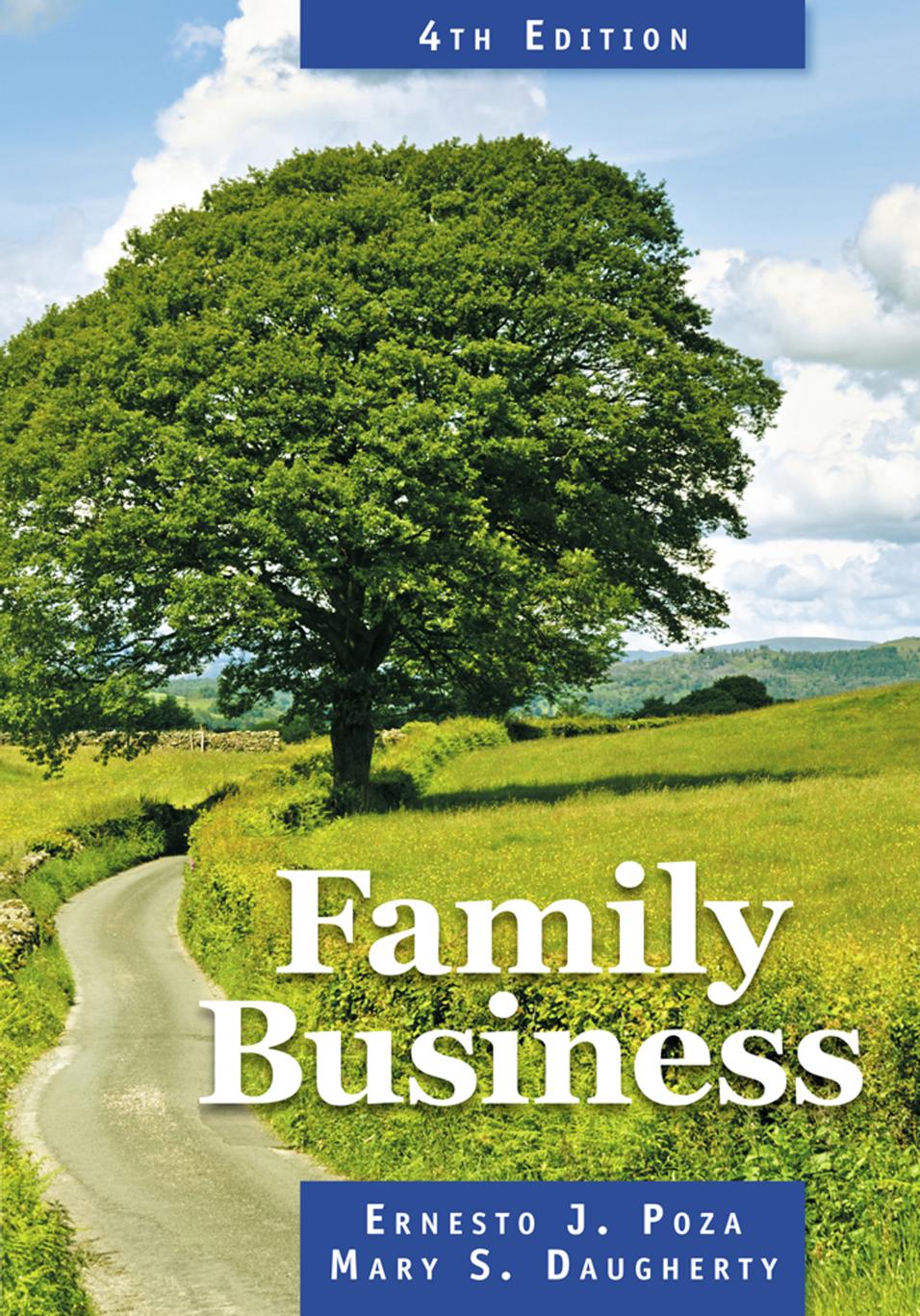
Family Business 4th Edition by Ernesto Poza, Mary Daugherty – Ebook PDF Instant Download/Delivery: 8214343556, 9798214343556
Full download Family Business 4th edition after payment
Product details:
ISBN 10: 8214343556
ISBN 13: 9798214343556
Author: Ernesto Poza, Mary Daugherty
FAMILY BUSINESS provides the next generation of family business owners with the knowledge and skills needed for the successful management and leadership of the family enterprise. The author, Ernesto Poza, uses both text and cases to explore a diverse set of family firms, examining the interrelationships between the owners, the family, and the management team. FAMILY BUSINESS, at its core, is a practical book that presents management and family practices to model success as well as an honest look at the advantages and challenges facing family enterprises. With an emphasis on leadership and positioning for the future, FAMILY BUSINESS illustrates how the family enterprise can achieve sustained growth and continuity through generations. Available with InfoTrac® Student Collections http://gocengage.com/infotrac.
Family Business 4th Table of contents:
Part I. Family Business
Chapter 1. The Nature, Importance, and Uniqueness of Family Business
What Constitutes a Family Business?
Succession and Continuity: The Three-Generation Rule
Building Family Businesses that Last
The Systems Theory Perspective
Family-First Businesses
Management-First Businesses
Ownership-First Businesses
The Agency Theory Perspective
The Strategic Perspective: Competitive Challenges and Competitive Advantages of Family Businesses
Competitive Advantage: The Resource-Based View
The Stewardship Perspective
Ethics, Social Responsibility, Philanthropy, and The Family Business
Family-Business Research
Summary
Chapter 2. The Family Dynamics Challenge
The Stories of Two Very Different Family Cultures
The Binghams and the Louisville Courier-Journal Companies
The Blethens and the Seattle Times Company
Zero-Sum Dynamics and Family Culture
The Family Systems Perspective
The Role of Genograms and Family Messages in Helping Us Understand the Family System
Family Emotional Intelligence
How Families Add Value: The Family-Business Interaction Factor
The Benefits of Family Meetings
Family Unity and Continuity
Planning and Policy Making
The Family Employment Policy
The Family Nuptial Agreement Policy
Guidelines for Policy Making
Trusts, Legal Agreements, and Personal Responsibility
Conflict Management
Summary
Chapter 3. The Ownership Challenge
Shareholder Priorities
Responsibilities of Shareholders to the Company
Define and Then Demand Reasonable Returns on Shareholder Equity or Invested Assets
Provide the Values and Principles of Doing Business and Ensure They Remain Instilled in the Company
Define the Owning Family’s Strategy and Communicate Owning-Family Priorities
Effective Governance of the Shareholder-Firm Relationship
The Role of the Board
The Role of Shareholder Meetings, Family Meetings, and Meetings of the Family Council
Information, Communication, and Education: Shareholders
Ownership Structure: Design and Execute It
Ownership Structure and Classes of Stock
Buy-Sell Agreements
Summary
Appendix
Case 1. The Binghams and the Louisville Courier-Journal Companies
Small Family Business 2. Power Play at The Inn
Case 3. The Ferré Media Group
Small Family Business 4. “SHE’LL Always be My Little Sister”
Case 5. The Vega Food Company
Chapter 4. The Governance and Professionalization Challenge
Challenges to Family Governance
Blurred System Boundaries
The Alternative to Blurred System Boundaries: Joint Optimization of Family and Business
The Professionalization Challenge and Family Governance
The Strategy and Structure of Family Governance
The Board of Directors and the Financial Performance of the Firm
Family Members on the Board
The Founder Exits, A Family Office is Launched
The Family Council’s Contribution to Family Governance
The Family Constitution
The Unifying Power of Family Philanthropy
Family Governance: Managing the Challenges of Succession
Summary
Chapter 5. Diagnosing the Family Business and Creating Conditions for the Continued Spirit of Enterprise
Outperformance and Sustainability are Not True of All Family Enterprises
Enterprise Sustainability: The Timely Call for Continuity
The Twelve Elements of Strategic Fit: The 12S Model
Implications of the 12S Model for Family Firms
Continuing the Spirit of Enterprise: Lessons from Centennial Family Companies
The Timken Company and Long-Term Continuity through Products and Values
The J. M. Smucker Company: A Proud Brand and a Professionally Managed Corporation
A 12-Elements-of-Strategic-Fit Perspective on Continuity Resulting from Generational Conflict and Culture Change
The Discredited Notion of Required Cultural Revolutions
The Erosion of the Entrepreneurial Culture
Family Unity and Periodic Realignment of the 12 Elements of Strategic Fit as a Resource in the Creation of Inimitable Competitive Advantages
A Customer-Centric Paradigm and Family-Business Continuity
The Role of the Board, Family Council, Shareholders, and Nonfamily Staff in Ensuring Continuity
Incumbent-Generation Leadership: Governance and Family Leadership Toward a Resolution of the Past
Summary
Chapter 6. Succession: Development and Selection of the Next Generation
Is the Next Generation Good Enough to Run the Business?
Rewards and Challenges for Latter-Generation Family Members
Rewards
Challenges
Next-Generation Attributes, Interests, and Abilities: Ingredients for Responsible Leadership
Desirable Next-Generation Attributes
Next-Generation Interests
Crafting the Next-Generation Career Plan
Smart Money Management
Managerial Worthiness
Family Relations
Sibling and Cousin Teams
Next-Generation Personalities
Interdependence of Team Members
A Vision for the Company: Taking It to the Next Level
Disagreements: Having the Difficult Conversations
Respecting the Past and Focusing on the Future
Some Final Rules of the Road for Next-Generation Leaders
Summary
Chapter 7. Succession and the Transfer of Power
The CEO as Architect of Succession and Continuity
CEO Exit Styles and the Transfer of Power
The Monarch
The General
The Ambassador
The Governor
The Inventor
The Transition Czar
Promoting Trust Among Family Members in the Process of Transferring Power
The Unique Roles of the CEO Spouse
Role Types of the CEO Spouse and the Transfer of Power
The Business Partner
The Chief Trust Officer
The Senior Advisor/Keeper of Family Values
The Free Agent
The Jealous Spouse
The “Interim CEO” Spouse
Implications of CEO Exit Styles and CEO Spouse Roles for Succession and the Transfer of Power
Summary
Case 6. Gupta Garments and Amit’s First 100 Days
Small Family Business 7. The Ambivalent CEO of the Construction Company
Small Family Business 8. Adams Funeral Home
Case 9. Fasteners for Retail (Part A)
Case 10. The Cousins Tournament
Chapter 8. Change, Adaptation, and Innovation: The Future of Family Business
Continuity and Culture
Changing the Culture
New Leaders of the Evolution
The Raw Materials of a New Culture
Three States of Evolution
The Future State
The Present State
The Transition State
Continuity and Family-Management-Ownership Structures
Organization Development Approaches to Change
Individual Consultation by the Family-Business Advisor with the CEO and the Successor Candidate or Candidates
Dyadic Consultation with the CEO and Successor or Successors
Group Consultation with the Family or Shareholder Group
Intergroup Consultation with the Family and Nonfamily Management
Development of Interpersonal Skills in the Next Generation
Designing and Facilitating Whole-Family Forums and Appreciative-Inquiry Processes
Commitment Planning
Institutionalizing the Change
The Future: Can the Family Business Compete and Thrive?
Agility in the Face of Change
Competition and Value Creation
Tapping the Next Generation
Thriving Through Competition
Organic Competencies and the Business’s Future
Global Opportunities
Positive-Sum Dynamics Through Family and Enterprise Leadership
Summary
BOOK RESOURCE: A Succession Plan Guided by Best Practices for Family-Business Continuity
Chapter 9. Family-Business Governance: Boards of Directors, Family Councils, and Family Offices
The Board of Directors
The Family-Business Advisory Board
Boards versus Independent Advisors/Consultants
Members of the Family-Business Board
Recruitment and Selection
Compensation and Motivation
Private versus Public Board Compensation
The Board’s Role in Setting Company Strategy
The Board’s Role in Adaptation over Generations
The Board’s Role in Succession and Continuity Planning
Further Research into the Impact of Boards on Family-Owned Businesses
The Impact of Sarbanes-Oxley on the Family Business and Its Board
Family Meetings
The Use of Facilitators and Advisors
The Family Council
Ownership and Family Policy Making
Boundaries between the Board and the Family Council
The Family Office
The Family Assembly
The Annual Shareholders’ Meeting
The Top-Management Team
Summary
Chapter Resource: Sample Family Constitution
Chapter 10. Strategic Planning and Transgenerational Entrepreneurship
Strategic Planning 101 and the Family Business
The Zero-Sum Family Dynamic and Strategic Planning
Creating Value with Unique Business Models
Financial Resources
Physical Assets
The Product: Its Price and Performance
Organizational Capabilities
Customer-Supplier Integration
Brand Equity
The Nature of the Family-Business Relationship
The Life Cycle of the Firm, The Family, and the Need for Parallel Strategic Planning
The Customer-Oriented Company
Strategic Regeneration: Transgenerational Entrepreneurial Ventures
Five Steps to Interpreneurship
The New Venture Business Plan
The New Venture Review Board
The Unique Vision of Family-Controlled Companies
Summary
Chapter 11. Estate Planning
The Family-Business Obituary
Estate Taxes in the United States
The Estate Plan
Preserving Speed and Agility
Giving Successors the Capacity to Lead
Corporate Structures and Classes of Stock
Buy-sell agreements
Valuation of the business
Trusts
Grantor-retained Annuity Trust
Intentionally Defective Grantor Trust
Equity and Nonfamily Employees
Employee Stock Ownership Plans
Pitfalls to Avoid in Estate and Ownership Transfer Planning
The Role of the Board of Directors
Summary
Chapter 12. The Owners Plan
Family Business is an Investment
Owners must Communicate with the Board
Trade-offs Exist between Dividends and Growth
Capital Structure must be Considered
Owners Require a Return
Summary
Chapter Resource: Owners Plan Template
2016 Owner’s Plan
Chapter 13. Financial and Wealth Management in the Family Business
Overcoming the Accounting Language Barrier
Financial Measures that Matter
The Balance Sheet
The Income Statement
Financial Statement Analysis
The Dupont Approach to Return on Equity (Roe)
Effect of Improving Days Sales Outstanding (DSO)
Family-Business Accounting—Is It Really Different?
What is your Business Worth?
Business Valuation
Underlying Factors Impacting Value
Other Factors Impacting the Valuation
Adjustments for Family Accounting
Valuation Methods
First Approach: Discounted Cash Flow
Estimating Future Cash Flows
Timing Future Cash Flows
Estimating Appropriate Return
Discounted Cash-Flow Value
Second Approach: Guideline-Public-Company Method
Third Approach: Guideline-Transaction Method
Estimate of Enterprise Value
Discounts for Lack of Control and Minority Position
Nonfinancial Returns and Costs Not Captured by Business Valuation
Summary
Chapter 14. Key Nonfamily Management: The Visible Commitment to Managing the Family Business Professionally
The Perspective of Nonfamily Managers
A Delicate Balance
Concerns about Management and Governance Practices
Concerns about Succession
Career Opportunities for Nonfamily Managers
Compensation and Benefits
Performance Feedback
Extending the Family Culture to Nonfamily Managers
Motivating and Retaining Nonfamily Managers
Current Best Practice in Executive Compensation
What are Long-Term Incentive Plans?
A Nonfamily Manager as a Bridging President or CEO
Professionalizing the Family
Outside Advisors: The Family-Business Consultant
Summary
Case 11. Gome Electrical Appliances Holding Limited
Case 12. Reliance Industries (Part A)
Case 13. The Son-in-Law
Case 14. Roberts Real Estate: Trans-Generational Entrepreneurship or Troubled Succession?
Case 15. Reliance Industries (Part B)
Chapter 2. The Family Dynamics Challenge
The Stories of Two Very Different Family Cultures
The Binghams and the Louisville Courier-Journal Companies
The Blethens and the Seattle Times Company
Zero-Sum Dynamics and Family Culture
The Family Systems Perspective
The Role of Genograms and Family Messages in Helping Us Understand the Family System
Family Emotional Intelligence
How Families Add Value: The Family-Business Interaction Factor
The Benefits of Family Meetings
Family Unity and Continuity
Planning and Policy Making
The Family Employment Policy
The Family Nuptial Agreement Policy
Guidelines for Policy Making
Trusts, Legal Agreements, and Personal Responsibility
Conflict Management
Summary
People also search for Family Business 4th:
family business 4th edition pdf
4th generation family business
4th generation family owned business
family business cast members
family business examples