

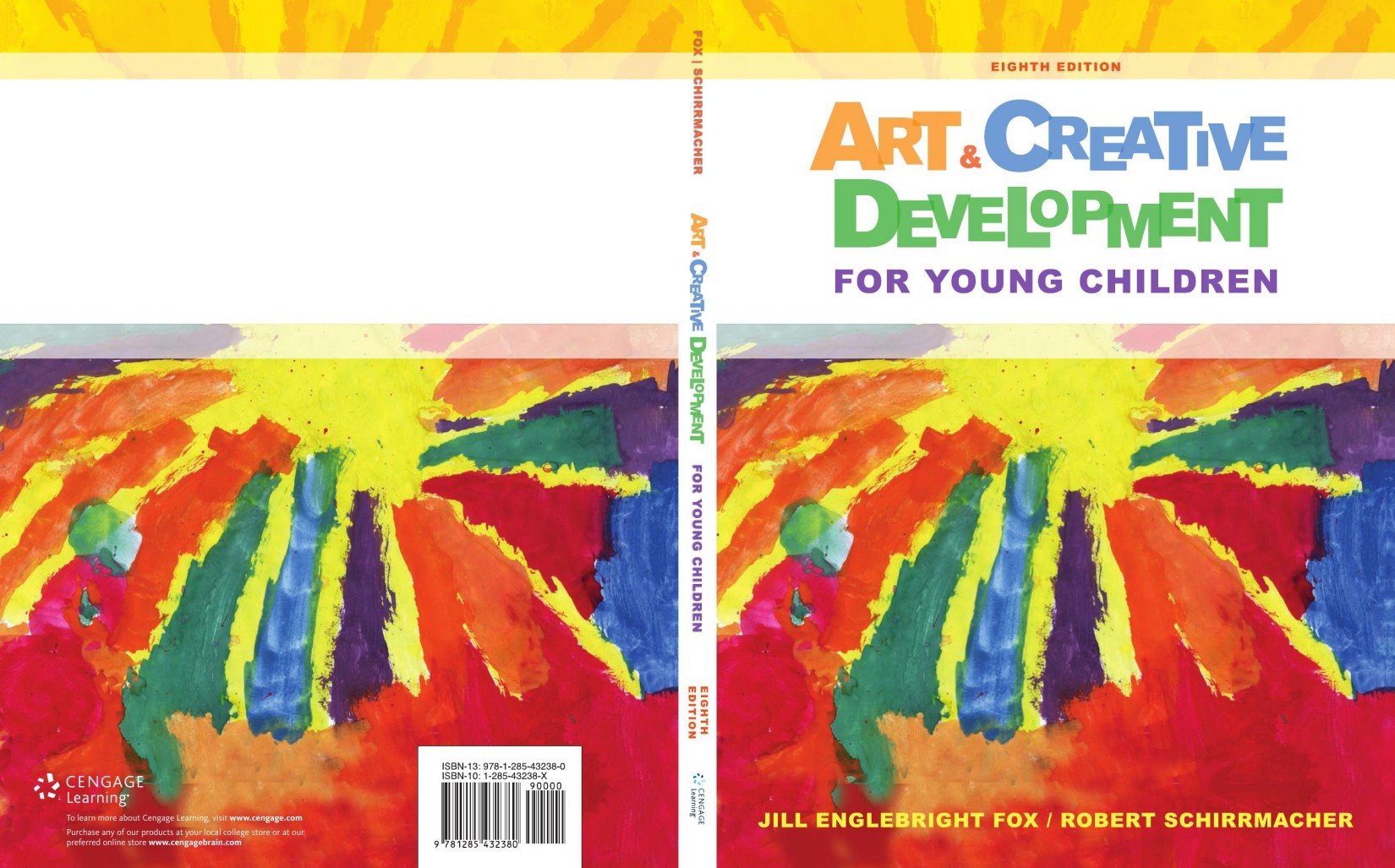
Art and Creative Development for Young Children 8th Edition by Englebright Robert Fox – Ebook PDF Instant Download/Delivery: 8214337791, 9798214337791
Full download Art and Creative Development for Young Children 8th edition after payment
Product details:
ISBN 10: 8214337791
ISBN 13: 9798214337791
Author: Englebright Robert Fox
Art and Creative Development for Young Children by Fox, J. Englebright, Schirrmacher, Robert [Cengage Learning, 2014] ( Paperback ) 8th edition [Paperback]
Art and Creative Development for Young Children 8th Table of contents:
Section 1. Creativity
1. Understanding Creativity
1-1. Definitions of Creativity
1-2. Creativity: Process or Product
1-3. Art Explaining Creativity
1-3a. Creativity: An Attitude, Not an Aptitude
1-3b. Creativity as a Skill
1-3c. Creativity as a Set of Personality Traits
1-3d. Creativity as a Set of Environmental Conditions
1-4. Obstacles to Creativity
1-4a. Home
1-4b. School
1-4c. Gender Roles
1-4d. Society, Culture, and Tradition
1-5. Facilitating Creative Expression
1-5a. Celebrate Creativity
1-5b. Value Children’s Creativity
1-5c. Be a Creative Partner
1-5d. Provide Time and Space for Creative Expression
1-5e. Provide Toys and Materials Conducive to Creativity
1-5f. Provide a Psychological Climate Conducive to Creativity
1-5g. Weave Creativity and Creative Expression Throughout Your Curriculum
1-6. Comparing and Contrasting Creativity
1-6a. Creativity versus Conformity and Convergent Thinking
1-6b. Creativity vs. Intelligence
1-7. Gifted and Talented Children
1-7a. Multiple Intelligences
1-8. Creativity and Brain Growth
1-9. Creativity and Child Development
Summary
Key Terms
Suggested Activities
Review
Additional Resources
2. Creative Thinking
2-1. What Is Creative Thinking
2-2. Creativity and the Brain
2-2a. Left- and Right-Brain Functions
2-2b. Characteristics of Divergent or Creative Thinking
2-2c. Whole Brain, Whole Learning
2-2d. Children Need to Engage in Convergent and Divergent Thinking
2-3. Setting the Stage for Creative Thinking
2-3a. Provide a Psychological Climate Conducive to Creativity
2-3b. Creative Thinking Takes Time
2-3c. Children Need Space in Which to Be Creative
2-4. Creativity and the Early Childhood Curriculum
2-4a. Strategies to Facilitate Creative Thinking
2-5. Facilitating Activities for Creative Thinking
2-5a. Activities for Creative Thinking
Summary
Key Terms
Suggested Activities
Review
Additional Resources
3. Creative Experiences
3-1. Modes of Creative Expression
3-2. Children Express Their Creativity Through Play
3-2a. The Teacher’s Role in Children’s Play
3-2b. Creative Play with Boxes, Cartons, and Accessories
3-2c. Types of Play
3-3. Children Express Their Creativity Through Language
3-3a. Informal Creative Language Activities
3-3b. Literacy and Multiple Literacies
3-3c. Visual Literacy
3-3d. Picture Books and Visual Literacy
3-3e. Media Literacy
3-4. Children Express Their Creativity Through Music and Movement
3-4a. Why Music and Movement Are Important
3-4b. Components of Music and Movement
3-5. Facilitating Children’s Creative Expression
3-6. Mark Making
3-6a. Pencils
3-6b. Chalk
3-6c. Crayons and Accessories
3-6d. Markers
Summary
Key Terms
Suggested Activities
Review
Additional Resources
Section 2. Young Children As Artists: A Developmental View
4. Art and the Developing Child
4-1. Domains of Child Development
4-1a. Physical Development
4-1b. Social Development
4-1c. Emotional Development
4-1d. Cognitive Development
4-1e. Creative Development
4-2. Considering Individual Children
4-2a. Children with Special Needs and Inclusion Classrooms
4-2b. Individual Differences
4-2c. Cultural Influences
4-2d. Art and the Holidays
4-2e. Food Products in the Creative Process
4-3. Context: Interaction of Child Development and Environmental Influences
4-4. Processing with Art Materials and Tools
4-4a. Scissors and Cutters
4-4b. Personally Expressive Art Activities
4-4c. Sensory Exploration Activities
Summary
Key Terms
Suggested Activities
Review
Additional Resources
5. Children’s Artistic Development
5-1. Explaining Children’s Art
5-2. Theories of Artistic Development
5-2a. Physical Explanation for the Development of Child Art
5-2b. Emotional Explanation for the Development of Child Art
5-2c. Perceptual Explanation for the Development of Child Art
5-2d. Cognitive Explanation for the Development of Child Art
5-2e. General Developmental Explanation for Child Art
5-2f. Cognitive Developmental Explanation for Child Art
5-3. Schirrmacher’s Stages: A General Overview of Artistic Development (Birth to Age Eight)
5-3a. Manipulating the Media: Scribbling and Mark Making (one to two years)
5-3b. Making Shapes, Outlines, Designs, and Symbols That Have Personal Meaning (two to four years)
5-3c. Pictorial Art That Is Becoming Recognizable to Others (four to six years)
5-3d. Realistic (school-age, five to eight years)
5-4. Painting
5-4a. Brushes
5-4b. Painting Surfaces
5-4c. Easel and Art Surfaces
5-4d. Painting Precautions
5-4e. Paint Palette
5-4f. Personally Expressive Art Activities
5-4g. Sensory Exploration Activities
Summary
Key Terms
Suggested Activities
Review
Additional Resources
Section 3. Art and Aesthetics
6. The Elements of Art
6-1. Aesthetic Elements
6-1a. Line
6-1b. Color
6-1c. Shape
6-1d. Shape Activities
6-1e. Mass or Volume
6-1f. Design or Composition
6-1g. Pattern
6-1h. Pattern Activities
6-1i. Space
6-1j. Space Activity
6-1k. Balance
6-1l. Texture
6-1m. Texture Activities
6-2. Making Prints
6-2a. Personally Expressive Art Activities
6-2b. Sensory Exploration Activities
6-2c. Stencil, Splatter, and Screen Printing
Summary
Key Terms
Suggested Activities
Review
Additional Resources
7. Aesthetics
7-1. Defining Aesthetics
7-2. Aesthetics and Child Development
7-2a. Aesthetic Attitude
7-2b. Aesthetic Process/Experience
7-2c. Aesthetic Response
7-3. Understanding Art
7-3a. Expose, Not Impose
7-4. Teacher’s Role in Aesthetics
7-4a. Teacher as Aesthetic Model
7-4b. Teacher’s Relationship with Children
7-4c. Provide for Wide Variety in the Arts
7-4d. Aesthetic Classroom
7-5. Art Appreciation as an Aesthetic Experience
7-5a. Art in Picture Book Illustrations
7-5b. Art Visitors
7-5c. Art Trips
7-5d. Sensory Literacy
7-6. Watercolor and Ink
7-6a. Personally Expressive Art Activities
7-6b. Sensory Exploration Activities
Summary
Key Terms
Suggested Activities
Review
Additional Resources
8. Sensory Experiences
8-1. From Percept to Concept
8-2. More Than Five Senses
8-3. Children’s Learning Styles
8-3a. Adult Teaching Styles
8-3b. Matching Adult Teaching Styles with Children’s Learning Styles
8-3c. Art and Children’s Learning Styles
8-4. Multisensory Experiences
8-4a. Visual Sense
8-4b. The Auditory Sense
8-4c. The Tactile Sense
8-4d. The Olfactory Sense
8-4e. The Gustatory Sense
8-4f. The Chromatic Sense
8-4g. The Thermic Sense
8-4h. The Sterognostic Sense
8-4i. The Baric Sense
8-4j. The Kinesthetic Sense
8-5. Resist Art Activities
8-5a. Personally Expressive Art Activities
8-5b. Sensory Exploration Activities
Summary
Key Terms
Suggested Activities
Review
Additional Resources
9. The Complete Early Childhood Art Program
9-1. The Importance of Arts Education
9-2. Art Standards
9-3. Early Childhood Art: Studio Oriented or Discipline Based?
9-4. What to Include in an Early Childhood Art Program
9-4a. Sensory Experiences
9-4b. Aesthetic Experiences
9-4c. Time, Space, and Materials for Making Art
9-4d. An Introduction to the World of Art, Artists, and a Variety of Art Forms and Styles
9-5. Artistic Styles
9-5a. Prehistoric or Primitive Art
9-5b. Naturalistic or Realistic Art
9-5c. Impressionism
9-5d. Pointillism
9-5e. Expressionism
9-5f. Abstract
9-5g. Fauvism
9-5h. Cubism
9-5i. Kinetic Art
9-5j. Surrealism/Dadaism
9-5k. Pop Art
9-5l. Op Art
9-5m. The Folk Arts
9-6. Art Critique
9-7. Collage
9-7a. Personally Expressive Art Activities
9-7b. Sensory Exploration Activities
Summary
Key Terms
Suggested Activities
Review
Resources
Section 4. Providing Art Experiences
10. Child-Centered Art versus Teacher-Directed Projects
10-1. A Continuum of Teaching Approaches
10-2. Approaches to Teaching Art
10-2a. Children’s Drawing: Free Expression or Skill to be Taught?
10-2b. Teacher as Facilitator
10-3. Projects and Crafts in the Curriculum
10-3a. Child-Centered Art or Teacher-Directed Projects
10-4. Planning Developmentally Appropriate Art Activities
10-4a. Allow Children to Be Personally Expressive
10-4b. Subtly Balance Artistic Process and Product
10-4c. Be Open-Ended, Allowing Children to Be Creative
10-4d. Allow for Discovery and Experimentation
10-4e. Allow for Active Engagement and Sustained Involvement
10-4f. Be Intrinsically Motivating
10-4g. Be Success Oriented
10-4h. Be Available to All Children
10-4i. Involve Legitimate Artistic Media
10-4j. Be Developmentally Appropriate
10-5. Activities Masquerading as Creative Art
10-6. Teaching Art to Children: Different Viewpoints
10-7. Paper Art
10-7a. Processing with Paper
10-7b. Personally Expressive Art Activities
10-7c. Sensory Exploration Activities
Summary
Key Terms
Suggested Activities
Review
Additional Resources
11. Planning, Implementing, and Evaluating Art
11-1. Knowledge, Skills, Dispositions, and Feelings
11-2. Teacher as Planner and Curriculum Developer
11-2a. Goals
11-2b. Values and Beliefs
11-2c. Objectives
11-3. Strategies for Including Art in the Early Childhood Curriculum
11-3a. Art as a Separate Activity
11-3b. Art Used to Extend or Reinforce Learning in Another Curricular Area
11-3c. Art as a Superactivity Integrating Several Curricular Areas
11-3d. Art as an Integrated Part of an Extended Unit of Study
11-4. Teachable Moments and Intentional Teaching
11-4a. Emergent Curriculum and the Project Approach
11-4b. Art as a Child-Centered Pursuit
11-4c. The 1/3, 1/3, 1/3 Rule
11-5. Clay and Play Dough
11-5a. Types of Clay
11-5b. Processing with Clay
11-5c. Stages of Working with Clay
11-5d. Clay Techniques
11-5e. Personally Expressive Art Activities
11-5f. Sensory Exploration Activity
Summary
Key Terms
Suggested Activities
Review
Additional Resources
12. Integrating Art Across the Early Childhood Curriculum
12-1. What Is Curriculum?
12-1a. Integrating Art Across the Early Childhood Curriculum
12-2. Art and the Early Childhood Curriculum
12-2a. Curriculum as Program
12-2b. Curriculum as Subject Matter, Content, or Academic Area
12-3. Art and Learning in Early Childhood Curricular Areas
12-3a. Art and Math
12-3b. Art and Math Activities
12-3c. Art and Science
12-3d. Art and Science Activities
12-3e. Language Arts, Communication Arts, and Literacy
12-3f. Art and Language, Communication, and Literacy Activities
12-3g. Art and Social Studies
12-3h. Art and Social Studies Activities
12-3i. Art and the Expressive Arts
12-4. Three-Dimensional Art
12-4a. Fixatives and Fasteners
12-4b. Personally Expressive Art Activities
12-4c. Sensory Exploration Activities
Summary
Key Terms
Suggested Activities
Review
Additional Resources
13. The Art Center
13-1. The Art Center
13-1a. An Artist’s Studio
13-1b. Conveniently Located and Easily Accessible
13-1c. Well Stocked with Developmentally Appropriate Materials
13-1d. Orderly and Organized
13-1e. A Place with Rules and Limits
13-1f. Displaying Children’s Art
13-2. Evaluating An Art Center/Program
13-3. Puppets and Masks
13-3a. Puppets from Paper
13-3b. Puppets from Wood
13-3c. Puppets from Fabric
13-3d. Puppets from Containers
13-3e. Puppet Stage
13-3f. Masks
13-3g. Over-the-Head Masks
13-3h. Face Masks
Summary
Key Terms
Suggested Activities
Review
Additional Resources
Section 5. Roles and Strategies
14. Art Experiences through Technology
14-1. Technology in Early Childhood Education
14-1a. Young Children with Special Needs
14-1b. Age-Appropriate Computer Use and the Teacher’s Role
14-2. Computers and Art
14-2a. Draw and Paint Programs
14-2b. Art Appreciation
14-3. How to Best Use Computers in the Classroom
14-3a. Technology Tools
14-3b. Communicating with Technology
14-4. Digital Photography
14-4a. Personally Expressive Art Activities
14-4b. Sensory Exploration Activities
Summary
Key Terms
Suggested Activities
Review
Additional Resources
15. Roles, Responses, and Strategies to Support Children’s Art
15-1. Teacher as Model and Participator
15-2. Teacher as Creative Individual and Art Specialist
15-3. Teacher as Observer
15-4. Teacher as Responder
15-4a. Art Dictation
15-4b. Art Dialogue
15-4c. Develop an Art Vocabulary Based on the Artistic Elements
15-5. Teacher as Troubleshooter
15-5a. Children Who Criticize Another’s Art
15-5b. Children Who Copy and Imitate
15-5c. Children Who Are Not Progressing Artistically
15-5d. Children Who Refuse to Try
15-5e. Children Who Do Not Like to Get Dirty or Messy
15-5f. Children Who Avoid Art
15-5g. Children Who Do Not Know What to Make
15-5h. Children Who Dislike Their Own Art
15-5i. Children Who Want an Adult to Do Art for Them
15-6. Sewing and Weaving
15-6a. Sewing
15-6b. Personally Expressive Art Activities
15-6c. Sensory Exploration Activities
15-6d. Weaving
Summary
Key Terms
Suggested Activities
Review
Additional Resources
16. Art Assessment
16-1. Teacher as Observer, Recorder, and Assessor
16-1a. The Importance of Systematically Observing and Recording Children’s Behavior
16-1b. Observing and Recording
16-2. Children’s Art Files and Folders
16-2a. Formal Standardized Testing
16-2b. Informally Assess Young Children in Authentic Ways
16-2c. Portfolio Approach to Authentic Assessment
16-2d. Guidelines for Assembling, Maintaining, and Reviewing a Portfolio
16-2e. Art Portfolios
16-3. Art Assessment
16-4. Holistic Model for Artistic Assessment
16-4a. Physical
16-4b. Social
16-4c. Emotional
16-4d. Cognitive
16-4e. Creative
16-4f. Aesthetic
16-4g. Personal
16-4h. Teaching Children to Self-Assess
16-5. Mobiles and Stabiles
16-5a. Mobile
16-5b. Stabile
Summary
Key Terms
Suggested Activities
Review
Additional Resources
Appendix A. Artistic Junk
Appendix B. Where to Go in Your Local Community for Artistic Junk
Appendix C. Art-Related Books
Appendix D. National Standards for Arts Education
Appendix E. Multicultural Picture Books
References
People also search for Art and Creative Development for Young Children 8th:
art and creative development for young children pdf
art and creative development for young children 8th ed
how does creative art help a child development
creative art activities for 8 year olds
art and creative development for young child 8th edition
Tags: Englebright Robert Fox, Creative Development, Young Children