
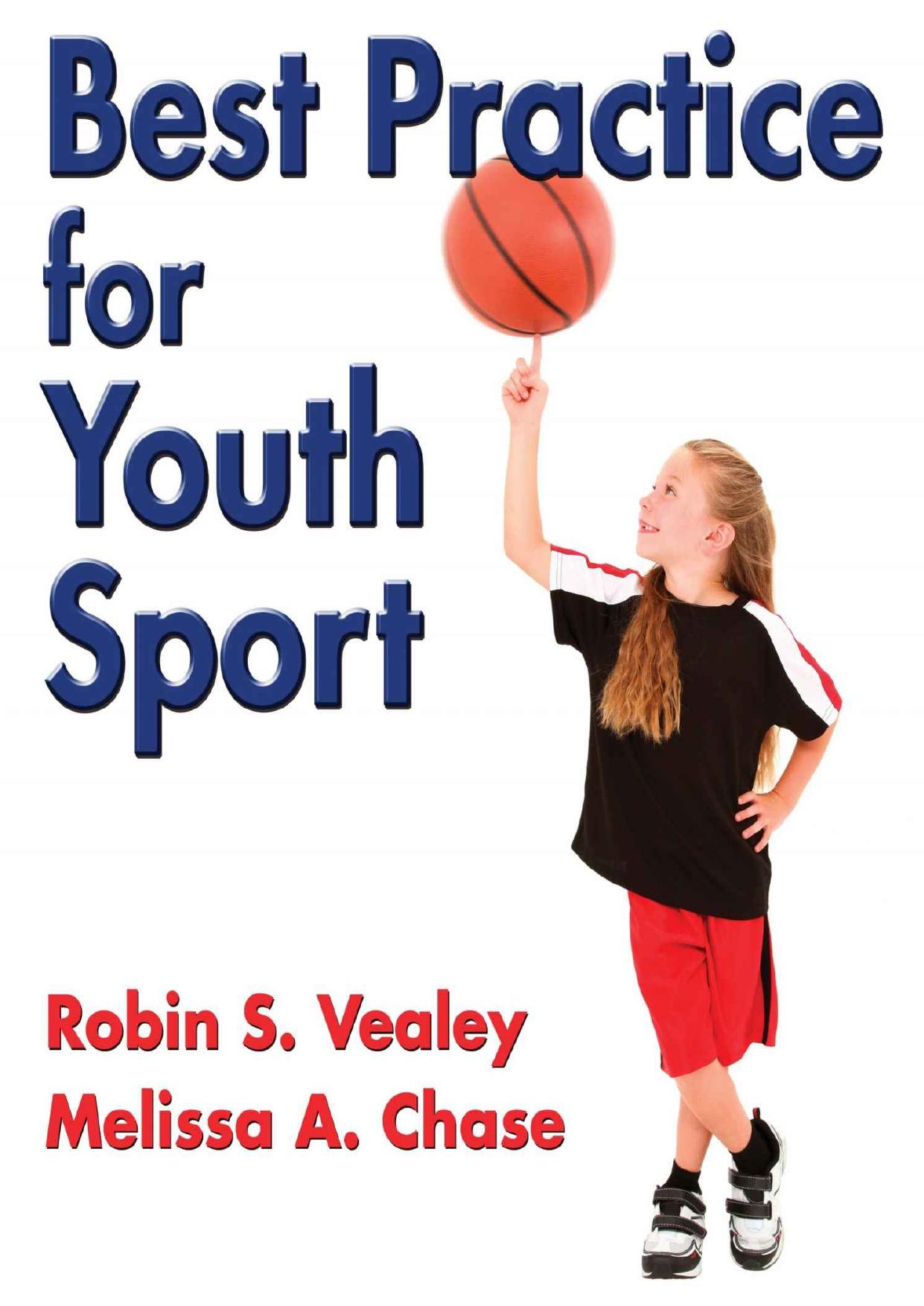
Best Practice for Youth Sport 1st edition by Robin Vealey, Melissae Chase ISBN 0736066969 978-0736066969
Original price was: $70.00.$35.00Current price is: $35.00.
Instant download Best Practice for Youth Sport Science and Strategies for Positive Athlete Experiences Robin Vealey & Melissae Chase after payment
Best Practice for Youth Sport 1st edition by Robin Vealey, Melissae Chase- Ebook PDF Instant Download/Delivery: 0736066969, 978-0736066969
Full download Best Practice for Youth Sport 1st edition after payment
Product details:
ISBN 10: 0736066969
ISBN 13: 978-0736066969
Author: Robin Vealey, Melissae Chase
Although the physical and psychological benefits of youth participating in sport are evident, the increasing professionalization and specialization of youth sport, primarily by coaches and parents, are changing the culture of youth sport and causing it to erode the ideal mantra: “It’s all about the kids.”
In Best Practice for Youth Sport, readers will gain an appreciation of an array of issues regarding youth sport. This research-based text is presented in a practical manner, with examples from current events that foster readers’ interest and class discussion. The content is based on the principle of developmentally appropriate practice (DAP), which can be defined as engaging in decisions, behaviors, and policies that meet the physical, psychological, and social needs of children and youth based on their ages and maturational levels. This groundbreaking resource covers a breadth of topics, including bone development, burnout, gender and racial stereotypes, injuries, motor behavior, and parental pressures.
Written by Robin S. Vealey and Melissa A. Chase, the 16 chapters of Best Practice for Youth Sport are divided into four parts. Part I, Youth Sport Basics, provides readers with the fundamental knowledge and background related to the history, evolution, and organization of youth sport. Part II, Maturation and Readiness for Youth Sport Participants, is the core of understanding how and why youth sport is different from adult sport. This part details why it is important to know when youth are ready to learn and compete. Part III, Intensity of Participation in Youth Sport, examines the appropriateness of physical and psychological intensity at various developmental stages and the potential ramifications of overtraining, overspecialization, overstress, and overuse. The text concludes with part IV, Social Considerations in Youth Sport, which examines how youth sport coaches and parents can help create a supportive social environment so that children can maximize the enjoyment and benefits from youth sport.
In addition to 14 appendixes, activities, glossaries, study questions, and other resources that appear in Best Practice for Youth Sport, the textbook is enhanced with instructor ancillaries: a test package, image bank, and instructor guide that features a syllabus, additional study questions and learning activities, tips on teaching difficult concepts, and additional readings and resources. These specialized resources ensure that instructors will be ready for each class session with engaging materials.
Best Practice for Youth Sport provides readers with knowledge of sport science concerning youth sport and engages them through the use of anecdotes, activities, case studies, and practical strategies. Armed with the knowledge from this text, students, coaches, parents, administrators, and others will be able to become active agents of social change in structuring and enhancing youth sport programs to meet the unique developmental needs of children, making the programs athlete centered rather than adult centered so that they truly are all about the kids.
Best Practice for Youth Sport 1st Table of contents:
Introduction
Part I: Youth Sport Basics
Chapter 1: Overview of Youth Sport
Types of Youth Sport
Patterns of Participation in Youth Sport
Barriers to Youth Sport Participation
Organizations That Support Youth Sport
Wrap-Up
Chapter 2: Evolution of Youth Sport
When and Why Was Sport Introduced Into Schools?
How Did Nonschool Youth Sport Become So Popular?
How Did Title IX Change Youth Sport?
How Did Little League Baseball Become So Popular?
Why Do Grassroots Youth Sport Programs Lack National Support?
How Have Changes in Parenting Influenced the Evolution of Youth Sport?
Wrap-Up
Chapter 3: Philosophy and Objectives of Youth Sport
The POPP Sequence: From Philosophy to Action
What Should the Objectives of Youth Sport Be?
Tension Points in Youth Sport Philosophies and Objectives
Consequences of Developmentally Inappropriate Philosophies and Objectives
Palm Community Model of Youth Sport
Examples of Youth Sport Philosophies and POPP Sequences
Wrap-Up
Part II: Maturation and Readiness for Youth Sport Participation
Chapter 4: Physical Growth and Maturation
Growth
Maturation
Physical Growth and Maturational Influences on Sport Opportunities and Performance
Wrap-Up
Chapter 5: Readiness for Learning Skills and Competing
What Is Readiness?
The Mountain of Motor Skill Development
Sensitive Periods in Motor Skill Development
Cognitive Readiness
Is Earlier Better?
When Should Kids Start Organized Youth Sports?
Wrap-Up
Chapter 6: Motivation and Psychosocial Development
Why Do Children Participate in Youth Sport?
Competence
Autonomy
Relatedness
Wrap-Up
Chapter 7: Modifying Sport for Youth
Why Should Sport Be Modified for Youth?
Why Do Adults Resist Youth Sport Modification?
What Changes Should Be Made?
Wrap-Up
Chapter 8: Teaching Skills to Young Athletes
The Five-Step Teaching Cycle
Instructional Strategies to Maximize Learning
Wrap-Up
Part III: Intensity of Participation in Youth Sport
Chapter 9: Physical Training and Young Athletes
Positive Effects of Physical Activity and Training in Kids
Negative Effects of Overintensity in Physical Training in Youth
Physical Training Guidelines for Young Athletes
Wrap-Up
Chapter 10: Talent Development in Sport
Talent Development Basics
How Is Talent Identified, and When Do We Decide Who Is Talented?
The Relative Influences of Practice and Innate Qualities on Sport Expertise
What Is the Best Way to Develop Sport Talent?
Specialization in Youth Sport
Categorizing Sports Based on Specialization Demands
Tips for Nurturing Talent and Well-Being in Youth Athletes
Wrap-Up
Chapter 11: Stress and Burnout in Youth Sport
Stress as a Process
Demands (Stressors) Faced by Youth Athletes
Young Athletes’ Assessment of Demands
Young Athletes’ Responses to Stress
Outcomes From the Stress Process
Flow: The Ultimate Goal for Youth Sport Participants
Burnout in Youth Sport
Wrap-Up
Chapter 12: Injuries in Youth Sport
Youth Sport Injury Basics
Overuse Injuries
Physeal Injuries
Anterior Cruciate Ligament Injuries in Female Athletes
Concussion in Youth Sport
Legal Duties and the Emergency Action Plan
Wrap-Up
Part IV: Social Considerations in Youth Sport
Chapter 13: Cultural Competence in Youth Sport
Continuum of Cultural Competence
Gender and Youth Sport
Reasons for Gender Differences in Youth Sport
Race and Ethnicity in Youth Sport
Sexual Orientation and Youth Sport
Disability and Youth Sport
Sexual Abuse in Youth Sport
Wrap-Up
Chapter 14: Coaches and Youth Sport
Coaching Education and Certification
Recruiting Youth Sport Coaches
Evaluating Youth Sport Coaches
Building the Youth Sport Coach’s Skill Set
Youth Sport Coaches’ Meta-Skill: Communication
Wrap-Up
Chapter 15: Parents and Youth Sport
Foundations of the Parent–Child Relationship
Three Roles of Youth Sport Parents
WANTED: Positive Parent Behaviors in Youth Sport
Understanding Parent Traps
Parent Education in Youth Sport
Wrap-Up
Chapter 16: Moral and Life Skills Development in Youth Sport
Understanding Terms Related to Moral Behavior in Sport
How Sportsmanship and Moral Behavior Are Learned
Enhancing Sportsmanship, Moral Development, and Life Skills in Youth Athletes
Wrap-Up
Epilogue
The 100-Points Exercise
Sample Issues to Consider When Developing Your Principles
Case Studies on Growth and Maturation
Case Study 1
Case Study 2
Case Study 3
Case Study 4
Sample Letter to Parents Explaining Readiness Evaluation Session
Why I Play Sports Survey
Motivational Climate Scale for Youth Sports
Motivation Case Studies
Case Study 1
Case Study 2
Case Study 3
Talent Development Environment Questionnaire for Sport (Selected Items Only)
Reactions to Playing Sports
Focusing on Your Controllables
Emergency Action Plan
Coaching Appraisal Form
Athlete Evaluation of Coach
References
People also search for Best Practice for Youth Sport 1st :
best practice for youth sport pdf
best practice for youth sport
best exercises for youth soccer players
what is the best sport for a 10 year old
sports-based youth development programs
Tags: Robin Vealey, Melissae Chase, Youth Sport, Best Practice