


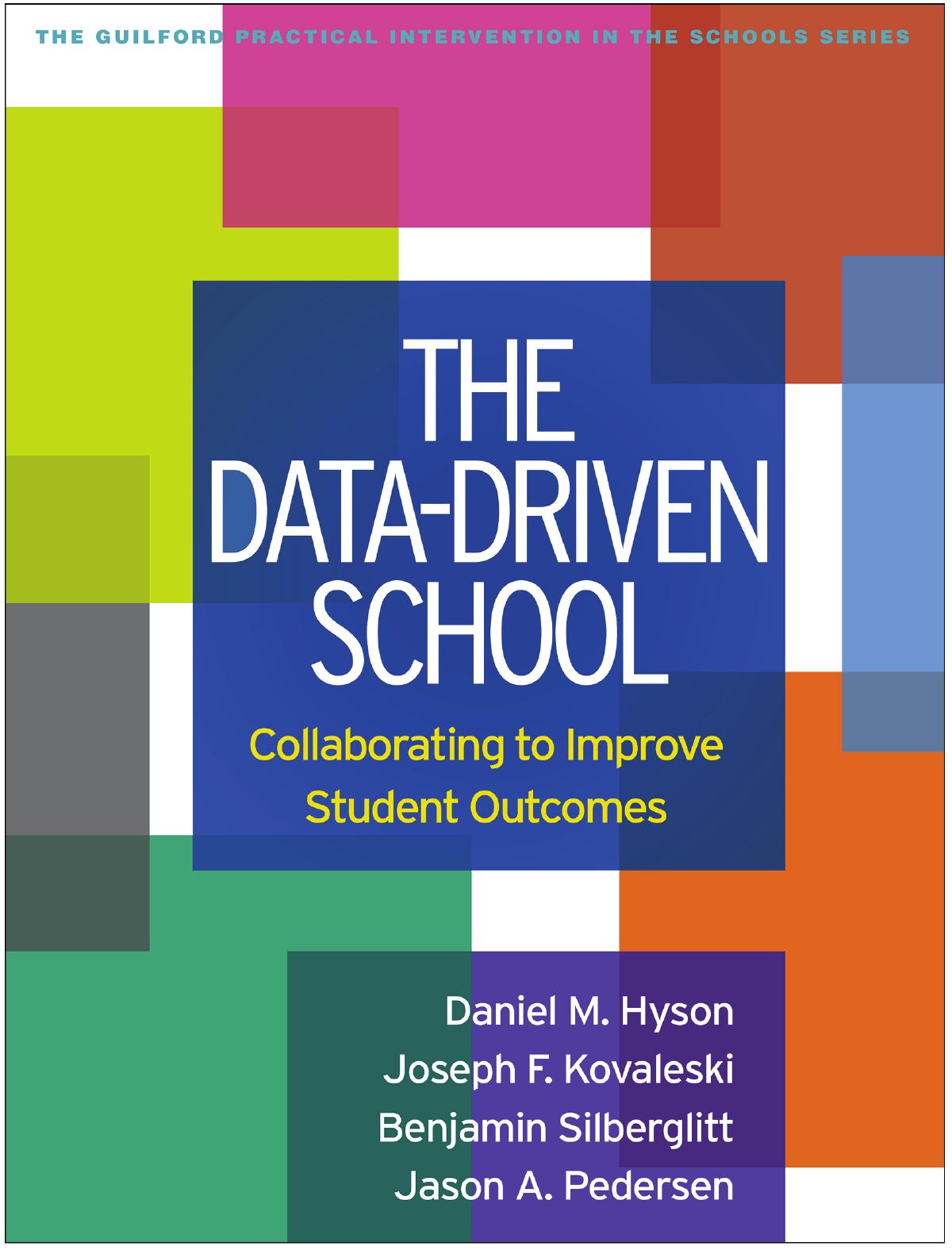
The Data Driven School Collaborating to Improve Student Outcomes 1st edition by Daniel Hyson, Joseph Kovaleski, Benjamin Silberglitt, Jason Pedersen ISBN 1462543103 9781462543106
Original price was: $70.00.$35.00Current price is: $35.00.
Instant download Data Driven School Collaborating to Improve Student Outcomes Joseph F. Kovaleski & Benjamin Silberglitt & Jason A. Pedersen after payment
The Data Driven School Collaborating to Improve Student Outcomes 1st edition by Daniel Hyson, Joseph Kovaleski, Benjamin Silberglitt, Jason Pedersen – Ebook PDF Instant Download/Delivery: 1462543103 , 9781462543106
Full download The Data Driven School Collaborating to Improve Student Outcomes 1st edition after payment
Product details:
ISBN 10: 1462543103
ISBN 13: 9781462543106
Author: Daniel Hyson, Joseph Kovaleski, Benjamin Silberglitt, Jason Pedersen
This indispensable practitioner’s guide helps to build the capacity of school psychologists, administrators, and teachers to use data in collaborative decision making. It presents an applied, step-by-step approach for creating and running effective data teams within a problem-solving framework. The authors describe innovative ways to improve academic and behavioral outcomes at the individual, class, grade, school, and district levels. Applications of readily available technology tools are highlighted. In a large-size format for easy photocopying, the book includes learning activities and helpful reproducible forms. The companion website provides downloadable copies of the reproducible forms as well as Excel spreadsheets, PowerPoint slides, and an online-only chapter on characteristics of effective teams. This book is in The Guilford Practical Intervention in the Schools Series, edited by Sandra M. Chafouleas.
The Data Driven School Collaborating to Improve Student Outcomes 1st Table of contents:
Part I. The Engine for a Data-Driven School: Systems-Level Problem Solving
1. The Rationale and Context for a Data-Driven School
The Need for Data-Driven Schools
Key Tenets of a Data-Driven School
Strong Leadership with Buy-In from Key Stakeholders
A Comprehensive Assessment System
Easy Access to Appropriate Data for All Staff
The Time and Resources for All Staff to Examine the Data
Clear Connections between Data and Potential Interventions at the District, School, and Classroom Levels
The Data-Driven School and MTSS
2. Systems-Level Problem Identification
The Problem-Solving Model and Systems-Level Application
Establishing What Is Expected
Target Setting Using Backward Planning
Setting Targets on Other Key Variables
Understanding What Is Occurring
Different Approaches to Communicating Data
Communicating the Difference between What Is Expected and What Is Occurring
Four Purposes of Assessment
Conclusion
3. Systems-Level Problem Analysis
Problem Analysis: Understanding the “Why”
Data in Problem Analysis
Goal of Problem Analysis: Developing Alterable Hypotheses
Root Cause Analysis
Problem Analysis in Context
A Step-By-Step Guide to Problem Analysis Using Data Inquiry
Problem Analysis? Problem Analysis? We Don’t Need No Stinking Problem Analysis!
School Budgeting
One Size Fits All
Superficial Problem Analysis
What Happens When You Skip It
Using Problem Analysis to Address Achievement Gaps
4. Systems-Level Plan Development, Plan Implementation, and Plan Evaluation
Systems-Level Plan Development
Identifying Research-Based Practices and Resources
Planning How Progress Will Be Monitored
Systems-Level Plan Implementation
Systems-Level Plan Evaluation
A Practical Tool to Guide Systems-Level Problem Solving: The Data Book PowerPoint
Part II. The Roadmap for a Data-Driven School: Data-Analysis Teaming Across Multiple Levels
5. Data-Driven Problem Solving at the Grade, Classroom, and Student Levels: Initial Considerations
Team Format and Membership
Sources of Academic Data
Benchmark Assessments: Universal Screening
Diagnostic (Drill-Down) Assessments
Progress Monitoring
Outcomes Assessment
Sources of Behavioral Data
Office Discipline Referrals
Behavior Screeners
Classroom-Level Data
Progress Monitoring
Functional Behavioral Assessment
Psychoeducational Evaluations
6. Implementing Data Teaming at the School and Grade Levels for Academic Skills
Purposes and Aims of the Teaming Process at the School and Grade Levels
Sources of Data
Forms and Formats Used in Data-Analysis Teaming
The Data-Analysis Teaming Process for Academics
Beginning-of-Year Meetings
Formal Follow-Up Meetings
7. Implementing Data Teaming at the School and Grade Levels for Behavior and Social–Emotional Skills
General Considerations
The Data-Analysis Teaming Process for Behavior
Beginning-of-Year Meetings
Final Steps
Part III. Building the Capacity for a Data-Driven School
8. Data Management Using Technology
The Evolution of Education Technology
Technology for Data
Data Management
Data Management Plans
Interoperability
Bringing Your Data Together
Data Warehouse/Business Intelligence Tools
Single-Function Software
Statistical Software
Spreadsheet Software
Presentation Software
9. Developing Data Leaders
Characteristics of Successful Data Leaders
Data and Intervention Literacy
Belief in the Value of Systems-Level Data-Driven Decision Making
Leadership Skills
Relationships
Identifying and Appointing Data Leaders
Keys to Effective Training of Data Leaders
Framework for Assessing the Context for Data-Driven Leadership
Profiles of Data Leaders
Appendix 1. Identifying Gaps in Your Comprehensive Assessment System
Appendix 2. Case Example: Setting Your Own Target Scores
Appendix 3. Data Activity
References
Index
About Guilford Press
Discover Related Guilford Books
People also search for The Data Driven School Collaborating to Improve Student Outcomes 1st :
why is data driven decision making important in education
why is collaboration important in school
data driven school improvement
data driven school
data driven school improvement plan
Tags: Daniel Hyson, Joseph Kovaleski, Benjamin Silberglitt, Jason Pedersen, The Data, Improve Student