


Directing Actors Creating Memorable Performances for Film Television 1st edition by Judith Weston – Ebook PDF Instant Download/Delivery: 0941188248, 978-0941188241
Full download Directing Actors Creating Memorable Performances for Film Television 1st edition after payment
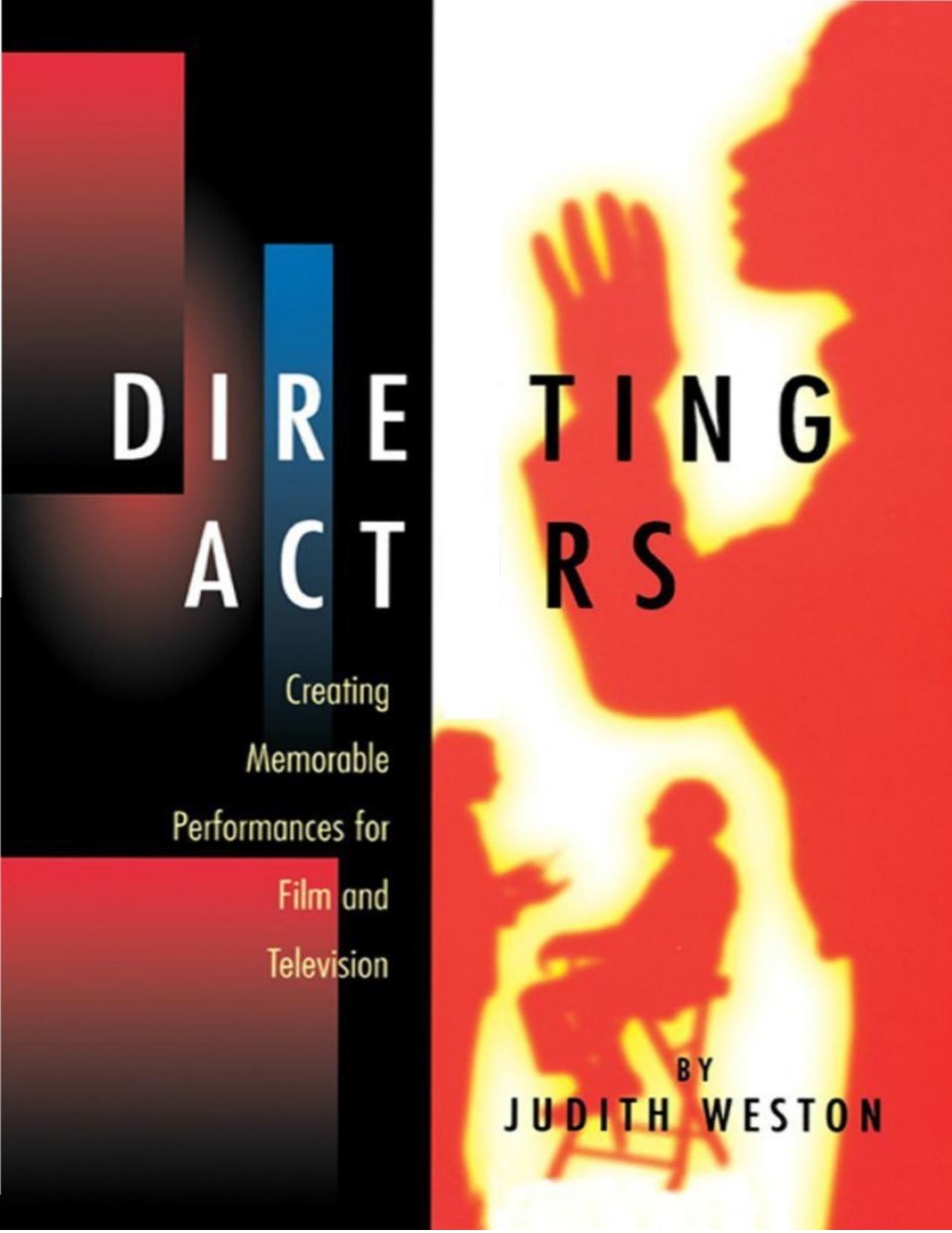
Product details:
ISBN 10: 0941188248
ISBN 13: 978-0941188241
Author: Judith Weston
Internationally-renowned directing coach Weston demonstrates what constitutes a good performance, what actors want from a director, what directors do wrong, script analysis and preparation, how actors work, and shares insights into the director/actor relationship.
Directing Actors Creating Memorable Performances for Film Television 1st Table of contents:
- Introduction
- Directors in Jeopardy
- Actors: The Mysterious “Other”
- An Invitation to Break Habit
- How Actors Work Their Magic
- The Actor-Director Relationship
- What Do Actors Want?
- What’s In This Book
- Connection
- Chapter One: Result Direction and Quick Fixes
- Result Direction: What the Hell Is It? (12+ Examples)
- Quick Fixes
- Verbs
- Facts
- Imagery
- Metaphor or “as if”
- Events
- What It’s About
- Physical Tasks
- Questions, Questions, Questions
- Translation
- Pro Tips
- The Privacy Rule
- The “Same Page”
- Chapter Two: Moment by moment
- Fear And Control
- Risk
- Unlikeable Characters
- Honesty
- In The Moment
- The Character Has Free Will
- The Character Has A Subconscious Mind
- Permission To Fail
- The Social Mask
- Stop Doing It “Right”
- Disobligation
- Use It!
- Commitment To Authenticity
- The Notorious Insecurity of Actors
- Exchange the Promise
- Unrepeatable Moments
- Directors Get to Be in the Moment, Too
- Chapter Three: Listening and Talking
- The What and Why of Listening
- How Can a Director Tell If an Actor Is Listening?
- Chemistry
- Unselfish Actors
- Damage Control
- Special Situations
- Listening Makes the Shots Work
- Language Directors Can Use
- Directors Should Listen, Too
- Chapter Four: Actors’ Choices/Directors’ Tools
- Questions
- Opposites
- Mysterious Lines
- The Technique of Three Possible
- Judgment
- Flaws and Likeability
- The Verb Family: Intention, Objective, Spine, Need
- Objective/Need
- Intentions/Active Verbs
- The Spine
- Obstacle (The Stakes)
- Imagery
- Facts And Clues
- The Timeline
- Emotional History
- Question Everything
- Invented Facts and Off-Camera Scenes
- The Moment Before
- Adjustments: Metaphor; Analogy; “As If”; “What If?”; “It’s Like When”
- Subtext (Mantra or Inner Monologue)
- Physical Life
- Wardrobe
- Objects
- Gesture, Activities, Bits, Business
- The Physical Is Emotional
- Secrets
- Why So Many Tools?
- Chapter Five: Emotional Event
- Defining Emotional Event
- Emotional Event As a Directing Tool
- Find a Way In
- So-Called Exposition Scenes
- Emotional Event and Genre: It’s All About the Relationship
- What It’s About
- Make a List of Themes
- Transitions and Through-Lines
- Blocking
- Learning How To Block
- Does Everyone Have To Agree On the Emotional Event?
- Emotional Events Must Happen In Real Time
- Mindless Coverage (and Avoiding It)
- Spine and Narrative Drive
- Spine and Narrative Drive In Franchises
- Director’s Intention
- Always Do the Right Thing
- The Compass
- Chapter Six: Actors’ Resources and Training
- Memory or Personal Experience
- Observation
- Imagination
- Research
- Channeling
- Meisner Technique
- Living the Character’s Experience
- Concentration
- Sensory Life
- Shakespeare
- Post-Stanislavsky
- Working With Stars
- Heart
- Feelings
- Chapter Seven: Script Analysis
- Reading the Script
- Stage Directions
- The Charts and Guides
- The Matrix
- First Impressions: What I Love; My Reservations and Concerns
- First Questions
- “It’s Just” and “I Assume”
- Pro Tip (for the Whole Script): Make Lists. Cut and Paste
- Keep Reading the Script. Read It Aloud
- Mysterious Lines & the Technique of Three Possible
- Paraphrasing (Creating Inner Monologue)
- Facts and Questions
- Questions and More Questions
- Research
- Internal Research
- Images and Associations
- Ideas For Imaginative Backstory
- What Just Happened
- Objectives
- What’s At Stake? aka Issues
- Active Verbs
- Subtext
- Obstacle
- Adjustments
- Beats
- Blocking
- Scene-Making
- Make Events Happen With the Blocking
- Get Ideas for Pacing
- Plot Event, Domestic Event, and Emotional Event
- Cypher: One Last Mysterious Line
- Finally: The Shape of the Relationships
- Micro and Macro
- Chapter Eight: Casting
- Casting “Name” Actors
- Casting Directors
- Casting From Auditions: Guidelines
- Casting From Auditions: Procedure
- Casting Non-Professional Actors
- Casting From Self-Submitted Tapes
- Pandemic and Connection (2020)
- Chapter Nine: Rehearsal
- Rehearsal: Pros and Cons
- Director John Korty
- Goals of Rehearsal
- Skills and Tools of Rehearsal
- Take—or Create—a Workshop
- Overview of Necessary Skills
- Ground Rules: Creating a Safe Space
- Trust
- Improvisation
- Through-lines
- Emotional Event
- Mysterious Lines
- Three Different Ways
- Don’t Frontload
- Listen More than You Talk
- Making Your Case
- Pick Your Battles
- Eye Contact
- Getting Actors to Not Stop for “Mistakes”
- Let the Actors Work
- Learn to say, “Yes, and” instead of “No, but”
- Other Exercises and Warm-Ups
- Be Inventive. Go the Extra Mile. Think Outside the Box
- Resistances
- Focus on the Work
- Actors’ Subtext
- Making Moments Count: Blocking, Pacing, Scene-Making
- Blocking
- Blocking Templates
- Pace: the Last Frontier
- Making Moments Count
- Objects, Activities, and Territories
- Work in Steps
- Working in Beats/Scene-Making
- Nuts and Bolts
- Finding Time for Rehearsal
- How Long Should Rehearsal Be?
- Get Organized
- Notes to Bring to Rehearsal or the Set
- Forms of Rehearsal
- Meeting One-on-One with Principals
- Full Cast Read-Through
- Relationship Rehearsal
- Scene Rehearsal for Most Professional Situations
- Episodic Television
- Working With Stars
- Working With Non-Actors
- More Examples of Rehearsal Language
- Tips for Rehearsal Protocol
- Sex, Violence, Pandemic
- Zoom Rehearsals
- Chapter Ten: Shooting
- If You’ve Had Rehearsal Before You Get to the Set
- If You’ve Had No Rehearsal Before You Get to the Set
- Guidelines for the Set
- Chapter Eleven: Directing Children
- Do You Like Kids?
- Casting Young Roles
- The Age of Eight Is a Game Changer
- Kids and Line Readings
- Meet Children Where They Are
- Kids In Scenes With Adult Actors
- Treat Young Actors As Equals
- How Young Actors Approach Their Craft
- Traumatic Material
- Young Teens
- Older Teens
- Commit To Them
- What About Older Actors?
- Chapter Twelve: Comedy
- Faster, Louder, Funnier
- More Principles of Comedy
- Epilogue
- Appendix A
- A: Verbs—Short List, Expanded
- B: Verbs—Longer List, Grouped by Emotional Category
- C: Script Analysis Guide for Directors
- D: Script Analysis List of Topics
- E: Script Analysis Addendum for Actors
- F: Text of The Matrix, Scene 74
- G: Billy Ray’s 3×5 card
- Index of Selected Names and Titles
- About the Author
People also search for Directing Actors Creating Memorable Performances for Film Television 1st:
directing actors creating memorable performances for film and television pdf
directors favorite actors
can you be an actor and director
directing actors on set
directing actors 101
Tags: Judith Weston, Directing Actors, Memorable Performances