


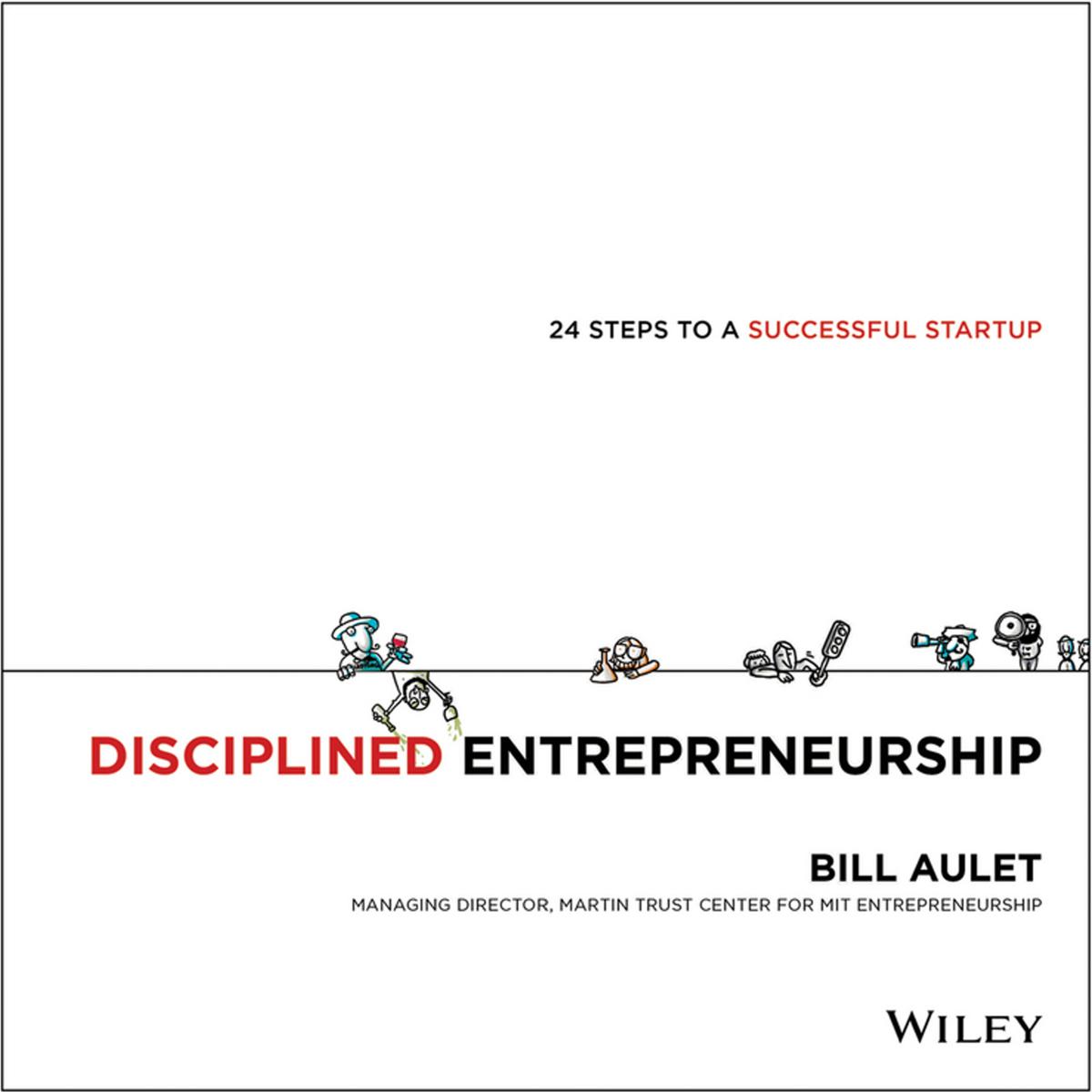
Disciplined Entrepreneurship 24 Steps to a Successful Startup 1st edition by Bill Aulet – Ebook PDF Instant Download/Delivery: 1118692284 , 978-1118692288
Full download Disciplined Entrepreneurship 24 Steps to a Successful Startup 1st edition after payment
Product details:
ISBN 10: 1118692284
ISBN 13: 978-1118692288
Author: Bill Aulet
Disciplined Entrepreneurship will change the way you think about starting a company. Many believe that entrepreneurship cannot be taught, but great entrepreneurs aren’t born with something special – they simply make great products. This book will show you how to create a successful startup through developing an innovative product. It breaks down the necessary processes into an integrated, comprehensive, and proven 24-step framework that any industrious person can learn and apply.
Disciplined Entrepreneurship 24 Steps to a Successful Startup 1st Table of contents:
STEP 0: Getting Started
Three Most Common Ways to Start a New Venture
Raison d’Être: Internal Motivations Must Be at a Higher Level
How to Go From “I Have a Passion” to “I Have an Idea or Technology” Good Enough to Start the 24 Steps
Which Comes First, the Idea or the Team?
Finding a Founding Team: Entrepreneurship Is Not a Solo Sport
The Next Step
Notes
STEP 1: Market Segmentation
In This Step, You Will:
Why This Step, and Why Now?
Let’s Get Started
The First Commandment: The Single Necessary and Sufficient Condition for a Business
Three Key Criteria to Be Met If You Are to Create a New Market That You Will Dominate
Complex Paying Customers: Primary versus Secondary Customers and Multi‐Sided Markets
How to Do a Market Segmentation
How Long Should I Spend on Market Segmentation?
What Should I Come Out of Step 1 With?
EXAMPLES
Summary
Note
STEP 1A: Primary Market Research (PMR)
In This Step, You Will:
Why This Step, and Why Now?
Let’s Get Started
A Practical Guide to PMR
What Is PMR?
Summary
Notes
STEP 2: Select a Beachhead Market
In This Step, You Will:
Why This Step, and Why Now?
Let’s Get Started
How to Choose Your Beachhead Market
Your Beachhead Market Still Needs to Be Segmented Further
EXAMPLES
Summary
STEP 3: Build an End User Profile
In This Step, You Will:
Why This Step, and Why Now?
Let’s Get Started
Why Target a Specific Demographic?
How to Build an End User Profile
Does Your Founding Team Include Someone in the End User Profile?
EXAMPLES
Summary
Notes
STEP 4: Calculate the Total Addressable Market (TAM) Size for the Beachhead Market
In This Step, You Will:
Why This Step, and Why Now?
Let’s Get Started
What Should My TAM Be?
EXAMPLES
Worksheets
Summary
STEP 5: Profile the Persona for the Beachhead Market
In This Step, You Will:
Why This Step, and Why Now?
Let’s Get Started
How to Choose and Profile Your Persona
The Persona Is More Than Just a One‐Time Exercise
Should I Create Multiple Personas? If So, When?
The Persona Helps You Focus on What to Do—and What Not to Do
Mitigating the Downside Risks of a Persona
EXAMPLES
Worksheet
Summary
Note
STEP 6: Full Life Cycle Use Case
In This Step, You Will:
Why This Step, and Why Now?
Let’s Get Started
What to Include in a Full Life Cycle Use Case
EXAMPLES
Summary
STEP 7: High‐Level Product Specification
In This Step, You Will:
Why This Step, and Why Now?
Let’s Get Started
Create a High‐Level Product Specification
Next, Make a Product Brochure and/or Landing Page
Concept of Spiraling Innovation
EXAMPLES
Summary
Note
STEP 8: Quantify the Value Proposition
In This Step, You Will:
Why This Step, and Why Now?
Let’s Get Started
Aligning Your Value Proposition with the Persona’s Priorities
Keep It Simple: The “As‐Is” State Compared to the “Possible” State with Your Product
EXAMPLES
Summary
STEP 9: Identify Your Next 10 Customers
In This Step, You Will:
Why This Step, and Why Now?
Three Criteria to Make the List of Your Next 10 Customers
How to Find Your Next 10 Customers
Is the Current Persona Valid?
EXAMPLES
Summary
STEP 10: Define Your Core
In This Step, You Will:
Why This Step, and Why Now?
Let’s Get Started
General and Specific Examples of Core
Core Is Not Your Quantified Value Proposition Restated
How to Define Your Core
Do Not Disclose Your Core to the Public
What About Patents?
What About Culture?
Core Is Different Than Competitive Position
First‐Mover Advantage Is Not a Core Unless …
Locking Up Suppliers Is Typically a Moat, Not a Core
EXAMPLES
Summary
Notes
STEP 11: Chart Your Competitive Position
In This Step, You Will:
Why This Step, and Why Now?
Let’s Get Started
The Toughest Competitor of All: The Customer’s Status Quo
How to Chart Your Competitive Position
EXAMPLES
Summary
STEP 12: Determine the Customer’s Decision‐Making Unit (DMU)
In This Step, You Will:
Why This Step, and Why Now?
Let’s Get Started
Primary Roles in the DMU
Additional Roles in the DMU
How to Determine the DMU
EXAMPLES
Summary
STEP 13: Map the Process to Acquire a Paying Customer
In This Step, You Will:
Why This Step, and Why Now?
Let’s Get Started
Budgeting/Purchasing Authority
Time Is of the Essence
Optimizing Your Process Map
Operationalizing Your Process: First‐Draft Sales Funnel
EXAMPLES
Description of the Acquisition Process
Summary
Notes
STEP 13A: Windows of Opportunity and Triggers
In This Step, You Will:
Why This Step, and Why Now?
Let’s Get Started
EXAMPLES
Summary
Note
STEP 14: Calculate the Total Addressable Market Size for Follow‐on Markets
In This Step, You Will:
Why This Step, and Why Now?
Let’s Get Started
Two Directions to Expand—and One Not To
How to Calculate Broader TAM
EXAMPLES
Summary
Note
STEP 15: Design a Business Model
In This Step, You Will:
Why This Step, and Why Now?
Let’s Get Started
A Business Model Is Not Pricing
Key Factors When Designing a Business Model
Generalized Categories of Business Models
Don’t Be Afraid to Think Outside the Existing Categories
EXAMPLES
Summary
Note
STEP 16: Set Your Pricing Framework
In This Step, You Will:
Why This Step, and Why Now?
Let’s Get Started
Basic Pricing Concepts
Avoid Analysis Paralysis—Make Your Best Guess and Keep Moving
EXAMPLES
Summary
STEP 17: Calculate the Lifetime Value (LTV) of an Acquired Customer
In This Step, You Will:
Why This Step, and Why Now?
Let’s Get Started
LTV and Unit Economics in Full Perspective
Key Inputs to Calculate the LTV
How to Calculate Lifetime Value
LTV Sample Calculation: “Widget” Plus Yearly Maintenance Fee
Important Considerations
EXAMPLES
Summary
Notes
STEP 18: Design a Scalable Revenue Engine
In This Step, You Will:
Why This Step, and Why Now?
Let’s Get Started
What Are the Different Sales Motions
Your LTV Will Dictate What Sales Motion Options Are Available
Your Sales Process Will Change Over Time
Design a GTM Plan Based on a Mix of Revenue‐Generating Motions That Evolve
Updating Your Sales Funnel
EXAMPLES
Summary
Note
STEP 19: Calculate the Cost of Customer Acquisition (CoCA)
In This Step, You Will:
Why This Step, and Why Now?
Let’s Get Started
Four Factors Entrepreneurs Often Overlook About Customer Acquisition Costs
How Not to Calculate CoCA: A Bottom‐Up Perspective
The Right Way to Calculate CoCA: A Top‐Down Perspective
How to Reduce CoCA
EXAMPLES
Summary
STEP 20: Identify Key Assumptions
In This Step, You Will:
Why This Step, and Why Now?
Let’s Get Started
How to Identify Your Key Assumptions
Five Conditions That Make for a Good Key Assumption
EXAMPLES
Summary
STEP 21: Test Key Assumptions
In This Step, You Will:
Why This Step, and Why Now?
Let’s Get Started
Now That You Have Identified the Assumptions, Test Them
EXAMPLES
EXAMPLES
Summary
STEP 22: Define the Minimum Viable Business Product (MVBP)
In This Step, You Will:
Why This Step, and Why Now?
Let’s Get Started
Three Conditions of an MVBP
The First Part of an MVBP Is That It Must Be Minimal
“Concierge” Anything You Can
Examples
EXAMPLES
Summary
STEP 23: Show That “The Dogs Will Eat the Dog Food”
In This Step, You Will:
Why This Step, and Why Now?
Let’s Get Started
How to Measure Adoption
EXAMPLES
Summary
Notes
STEP 24: Develop a Product Plan
In This Step, You Will:
Why This Step, and Why Now?
Let’s Get Started
EXAMPLES
Summary
WHAT ELSE?: Beyond the 24 Steps
It Never Ends
Notes
GLOSSARY
ACKNOWLEDGMENTS
ABOUT THE AUTHOR
INDEX
People also search for Disciplined Entrepreneurship 24 Steps to a Successful Startup 1st:
disciplined entrepreneurship. 24 steps to a successful
24 steps disciplined entrepreneurship summary
disciplined entrepreneurship summary
disciplined entrepreneurship book
disciplined entrepreneurship
Tags: Bill Aulet, Disciplined Entrepreneurship, Successful Startup