

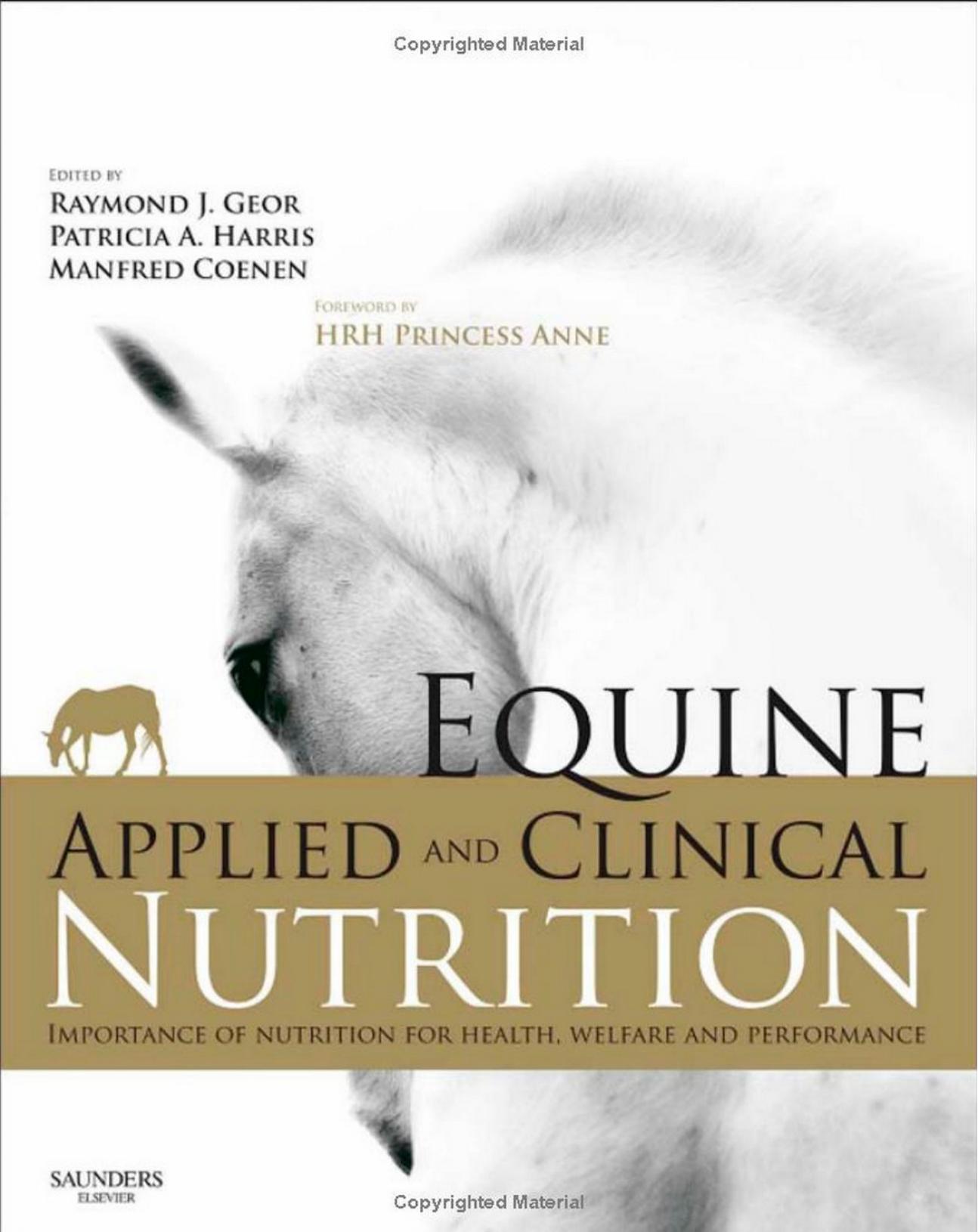
Equine Applied and Clinical Nutrition Health Welfare and Performance 1st edition by Raymond Geor, Pat Harris, Manfred Coenen ISBN 0702034223 978-0702034220
Original price was: $70.00.$35.00Current price is: $35.00.
Instant download Equine Applied and Clinical Nutrition Health Welfare and Performance after payment
Equine Applied and Clinical Nutrition Health Welfare and Performance 1st edition by Raymond Geor, Pat Harris, Manfred Coenen – Ebook PDF Instant Download/Delivery: 0702034223 , 978-0702034220
Full download Equine Applied and Clinical Nutrition Health Welfare and Performance 1st edition after payment
Product details:
ISBN 10: 0702034223
ISBN 13: 978-0702034220
Author: Raymond Geor, Pat Harris, Manfred Coenen
Equine Applied and Clinical Nutrition is a landmark text that provides a comprehensive source of information on the nutrition and feeding management of horses. In this authoritative and accessible account, experts from around the world provide a global perspective while the editors tackle key controversial areas. Topics covered include the basic foundations of equine nutrition (digestive and metabolic physiology, nutrient functions and requirements), nutritional management by life stage or function, the assessment of feedstuffs and feeding programs, and clinical nutrition. Also included is discussion on feed hygiene and the role of manufacturers in feed quality and safety. The book contains abundant practical nutritional advice for the treatment of clinical conditions seen by veterinarians in their daily practice, together with the fundamental information needed to make recommendations for the nutritional management of healthy horses.
Equine Applied and Clinical Nutrition provides the most substantial overview currently available of the nutritional management of key equine clinical conditions. It further presents the up-to-date scientific background needed to underpin recommendations. It will be of core relevance to equine veterinarians and nutritionists, and a valuable resource for undergraduate and graduate students, as well as lay horsemen and women who wish to be better informed about their horses’ nutritional needs.
Equine Applied and Clinical Nutrition Health Welfare and Performance 1st Table of contents:
Section A: Nutritional Foundations
Chapter 1: Gastrointestinal physiology
Enteric Nervous System
Mouth
Esophagus
Stomach
Small intestine
Cecum and colons
Chapter 2: Endocrine and metabolic physiology
Neuroendocrine regulation of appetite and energy balance
Endocrine regulation of metabolism
Overview of macronutrient metabolism
Storage of energy substrates in skeletal muscle and adipose tissue
Insulin sensitivity and resistance
Skeletal muscle glycogen metabolism
Chapter 3: Factors affecting feed intake
Quantitative intake
Qualitative intake
Rate of intake
Conclusions
Chapter 4: Water
Body fluid compartments
Water balance
Fluid output or loss
Water intake
Drinking behavior of horses
Evaluating water supply and water intake
Water systems and maintenance
Methods to maintain or increase water intake
Water quality
Summary
Chapter 5: Energy systems and requirements
Introduction
Energy balance and defining energy units
Practical application of energy systems
Advantages and disadvantages of different systems
Conclusions
Chapter 6: Amino acids and protein
Introduction
Basic properties of proteins and amino acids
Protein and amino acid digestion and absorption
Dietary sources of protein and amino acids
Supplementation of individual amino acids/amino acid derivatives
Protein and amino acid requirements of horses
Methods of assessing dietary protein/amino acid adequacy
Signs of protein/amino acid deficiency and excess
Summary
Chapter 7: Fat and fatty acids
Structural chemistry and nomenclature
Fat digestion and absorption
Dietary sources of fat
Essential fatty acids
Omega-6 and omega-3 fatty acids
Potential benefits of increasing fat intake
Potential clinical applications of fat-added diets
Practical guidelines for feeding fat to horses
Conclusion
Chapter 8: Carbohydrates
Carbohydrate nomenclature
Sources of dietary carbohydrate and relevance to equine health
Assessment of carbohydrates in feed
Carbohydrate digestion and absorption
Management of nonstructural carbohydrate intake
Summary and overall recommendations
Chapter 9: Vitamins
Introduction
General considerations regarding vitamin requirements
Fat-soluble vitamins
Water-soluble vitamins
Chapter 10: Macro and trace elements in equine nutrition
Overview
Factors determining requirements
Minerals as essential nutrients
Trace elements
Conclusion
Section B: Nutrition for Lifestage, Type or Function
Chapter 11: Feeding stallions and broodmares
Introduction
Stallions
Pregnant mares
Lactating mares
Reproductive efficiency in the mare
Conclusion
Chapter 12: Feeding the growing horse
Introduction
Growth
Energy requirements
Protein requirements
Mineral and vitamin requirements
Practical application
Conclusions
Chapter 13: Practical considerations for feeding racehorses
Performance metrics
Nutrition and performance
Typical feeding programs
Conclusion
Chapter 14: Nutritional management of elite endurance horses
Energy metabolism
Energy requirements
Meeting energy requirements
Protein nutrition
Fluid and electrolyte losses accompanying endurance exercise
Suggested feeding and management strategies for race days
Conclusion
Acknowledgment
Chapter 15: Nutritional considerations for aged horses
Introduction
Key aspects of aging in humans and other species
Definition and prevalence of the “geriatric” or “aged” horse
Common causes of mortality in aged horses
Clinical conditions most commonly associated with aging (not necessarily mortality) in horses
Changes in nutritional requirements with age
General considerations regarding feeding and management of the old horse
Specific considerations
Possible additional nutritional support
Conclusion
Chapter 16: Practical donkey and mule nutrition
The donkey
Feeding for pregnancy, lactation and growth
Practical feeding
Feeding mules
Special considerations for working donkeys
Summary
Section C: Applied Nutrition – Feeds
Chapter 17: Feedstuffs for horses
Introduction
Roughage
Concentrate ingredients
Mineral and vitamin supply
Chapter 18: Pastures and pasture management
Introduction
Pastures
Stocking density and grazing systems
Grazing systems
Pasture manipulation
Weed control
Pasture toxicity
Soil
Seminatural grasslands
Manure management
Fertilization
Renovation and reseeding
Management practices – a yearly calendar and summary
Conclusion
Chapter 19: Specialized dietary supplements
Introduction
Nutrients with established requirements (but fed in amounts far greater than minimal requirements, as defined by the NRC 2007)
Substances with no known nutritional requirement
Complex materials that contain a mixture of putative active ingredients
Conclusion
Chapter 20: Feed hygiene and related disorders in horses
Introduction
Diversity/variety of contaminants in feeds for horses
Practical evaluation of feed hygiene
Microbiological investigations to assess the hygiene status of feedstuffs and bedding material
Potential effects of poor feed hygiene on horse health
Other potential contaminants
Water quality and hygiene
Responsibilities of partners in the feed supply chain
Summary
Acknowledgments
Chapter 21: The manufacturers’ role in feed quality and safety: A discussion on methods used in feed manufacturing processes to assure feed hygiene and safety
Introduction
Drivers of feed assurance
Methods for achieving quality
Demonstrating feed quality
Challenges
Conclusions
Section D: Applied Nutrition
Chapter 22: Assessment of body condition and bodyweight
Introduction
Methods of assessing bodyweight
Methods of assessing body condition
Assessment of regional fat distribution
Implications for health and performance
Choosing an assessment method
Conclusions
Chapter 23: Ration evaluation and formulation
Information needed for ration evaluation
Predicted versus actual analysis
Assessment of current ration
Assessment of pasture
Laboratory analysis of feed and forage samples
Assessment of forage consumption
Assessment of grazing consumption
Matching intake to requirements
Establishing forage intake and a suitable forage to concentrate ratio
Other considerations
The use of supplements
Ration evaluation software
Advantages, disadvantages/limitations of various manufacturing processes
Chapter 24: Assessment of nutritional status from analysis of blood and other tissue samples
Urine
Hair
Hoof horn
Liver
Chapter 25: Effects of diet on behavior – normal and abnormal
Abnormal oral behavior associated with diet and feeding
Time budgets and feeding patterns in the wild and in modern husbandry
Digestive processes and links with behavior
Further evidence linking stereotypy with digestion and potential confounding factors
Effects of dietary carbohydrate, fiber and oil on behavior
Evidence for diet-mediated physiological changes
Glucoregulation and the serotonergic system
Behavior modification by feed supplements
Foraging enrichment
Conclusions
Chapter 26: Controversial areas in equine nutrition and feeding management: The Editors’ views
Questions concerning feed intake
The dilemma of “supplementation”
Conflict between athletic performance and optimal digestive health and behavior
Pre- and post-exercise feeding management of athletic horses
Nutrition and skin health
Conclusion
Section E: Clinical Nutrition
Chapter 27: Laminitis
Epidemiology and risk factors
Pathogenesis
Management of cases
Countermeasures to nutritionally associated laminitis
Summary
Chapter 28: Obesity
Definition of obesity
Prevalence
Potential contributing factors
Disease associations
Pathophysiology of obesity
Management of obesity
Conclusion
Chapter 29: Feeding thin and starved horses
Aetiology
Case evaluation
Pathophysiology of food deprivation
Nutritional management of the thin horse
Rehabilitation of the chronically starved horse or pony
Nutritional management of the chronically starved horse
Monitoring rehabilitation
Chapter 30: Hyperlipemia
Epidemiology and risk factors
Pathophysiology
Conclusions
Chapter 31: Exercise-associated muscle disorders
Epidemiology and risk factors
Classification and etiology
Clinical signs
Diagnosis
Management and prevention
Conclusion
Chapter 32: Developmental orthopedic disease
Introduction
Etiology and pathology of DOD
Impact of nutrition on DOD
Nutritional recommendations for avoidance of DOD
Chapter 33: Oral joint supplements in the management of osteoarthritis
Introduction
Indications for OJSs
Types of OJSs
Glucosamine and/or chondroitin sulfate
Sasha’s Blend
Hyaluronan (hyaluronic acid)
Avocado soy unsaponified (ASU)
Polyunsaturated fatty acids (PUFAs)
Conclusions
Chapter 34: Gastric ulceration
Epidemiology of equine gastric ulcers
Anatomical distribution of gastric ulcers
Risk factors and pathophysiology
Potential role of bile acids and bacteria within the stomach
Clinical signs of EGUS
Diagnosis of gastric ulceration
Nutritional management to reduce risk of gastric ulceration (Box 34.1)
Medical management
Conclusions
Chapter 35: Intestinal disease
Introduction
Diets and feeding behaviors
Epidemiology and risk factors for intestinal disease
Nutritional risk factors for diarrhea
Nutritional risk factors for colic
Pathophysiology of nutritional colic and diarrhea
Dietary principles for promoting intestinal health
Conclusion
Chapter 36: Urinary tract disease
Acute kidney injury and acute renal failure
Chronic kidney disease
Urolithiasis
Chapter 37: Hepatic insufficiency
Metabolic consequences of hepatic insufficiency
Dietary principles in hepatic insufficiency
Conclusions
Chapter 38: Nutritional considerations in grass sickness, botulism, equine motor neuron disease and equine degenerative myeloencephalopathy
Grass sickness
Botulism
Equine motor neuron disease (EMND)
Equine degenerative myeloencephalopathy (EDM)
Chapter 39: Feeding management pre- and post-surgery
Introduction
Hormonal and metabolic changes associated with general anesthesia and surgery
Perioperative glucose regulation and control
Feeding management pre-surgery
Postoperative colic and ileus
Postoperative feeding management
Practical approach to feeding pre- and post-surgery
Summary
Chapter 40: Feeding orphan and sick foals
Introduction
The orphan foal
Sick neonatal foals
Chapter 41: Assisted enteral and parenteral feeding
Introduction
Effects of feed deprivation
Nutritional support
Conclusion
Nutritional requirements, recommendations and example diets
Glossary
Index
People also search for Equine Applied and Clinical Nutrition Health Welfare and Performance 1st :
equine applied and clinical nutrition health welfare and performance
equine applied and clinical nutrition health welfare and performance pdf
equine nutrition jobs
equine nutrition classes
equine nutrition program
Tags: Raymond Geor, Pat Harris, Manfred Coenen, Equine Applied, Clinical Nutrition