


Essentials of Ecology 7th Edition by Tyler Miller, Scott Spoolman – Ebook PDF Instant Download/Delivery: 1285197267 , 9781285197265
Full download Essentials of Ecology 7th edition after payment
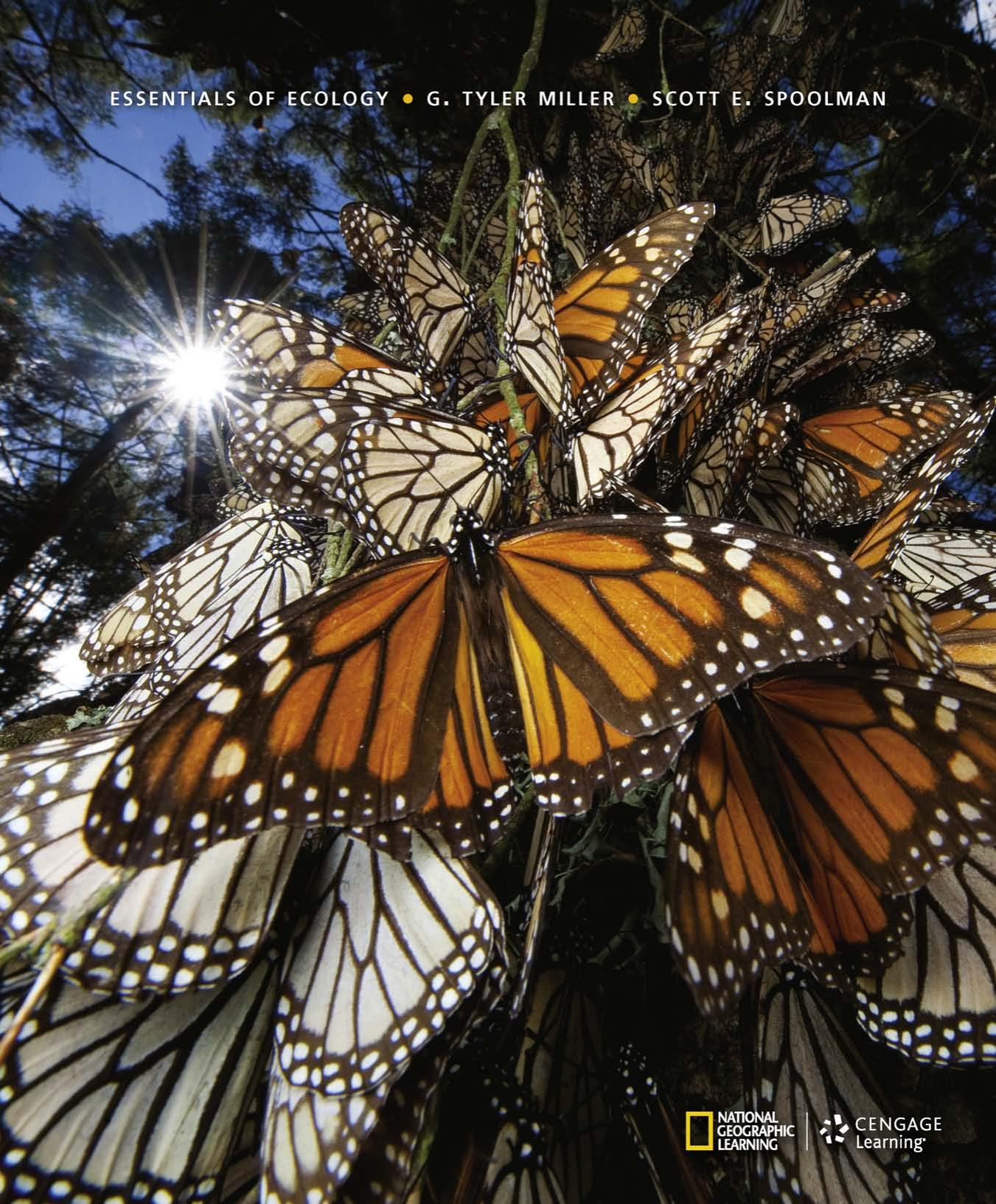
Product details:
ISBN 10: 1285197267
ISBN 13: 9781285197265
Author: Tyler Miller, Scott Spoolman
“Inspiring people to care about the planet.” In the new edition of ESSENTIALS OF ECOLOGY, authors Tyler Miller and Scott Spoolman have partnered with the National Geographic Society to develop a text designed to equip students with the inspiration and knowledge they need to make a difference solving today’s environmental issues. Exclusive content highlights important work of National Geographic Explorers, and features over 100 new photos, maps, and illustrations that bring course concepts to life. Using sustainability as the integrating theme, ESSENTIALS OF ECOLOGY 7e, covers scientific principles and concepts, ecosystems, evolution, biodiversity, population ecology, and more. In addition to the integration of new and engaging National Geographic content, every chapter has been thoroughly updated and 6 new Core Case Studies offer current examples of environmental problems and scenarios for potential solutions. The concept-centered approach used in the text transforms complex environmental topics and issues into key concepts that students will understand and remember. Overall, by framing the concepts with goals for more sustainable lifestyles and human communities, students see how promising the future can be and their important role in shaping it.
Essentials of Ecology 7th Table of contents:
1. Environmental Problems, Their Causes, and Sustainability
1-1. What Are Some Principles of Sustainability?
Environmental Science Is a Study of Connections in Nature
Three Scientific Principles of Sustainability
Sustainability Has Certain Key Components
Other Principles of Sustainability Come from the Social Sciences
Some Resources Are Renewable and Some Are Not
Countries Differ in Their Resource Use and Environmental Impact
1-2. How Are Our Ecological Footprints Affecting the Earth?
We Are Living Unsustainably
Pollution Comes from a Number of Sources
The Tragedy of the Commons: Degrading Commonly Shared Renewable Resources
Ecological Footprints: Our Environmental Impacts
IPAT Is Another Environmental Impact Model
Cultural Changes Can Grow or Shrink Our Ecological Footprints
1-3. Why Do We Have Environmental Problems?
Experts Have Identified Several Causes of Environmental Problems
The Human Population Is Growing at a Rapid Rate
Affluence Has Harmful and Beneficial Environmental Effects
Poverty Has Harmful Environmental and Health Effects
Prices of Goods and Services Do Not Include Harmful Environmental Costs
We Are Increasingly Isolated from Nature
People Have Different Views about Environmental Problems and Their Solutions
1-4. What Is an Environmentally Sustainable Society?
The More Environmentally Sustainable Societies Protect Natural Capital and Live off Its Income
A More Sustainable Future Is Possible
Chapter Review
Critical Thinking
Doing Environmental Science
Global Environment Watch Exercise
Ecological Footprint Analysis
Science, Ecological Principles, and Sustainability
2. Science, Matter, Energy, and Systems
2-1. What Do Scientists Do?
Science Is a Search for Order in Nature
Scientists Use Observations, Experiments, and Models to Answer Questions about How Nature Works
Scientists Are Curious and Skeptical, and They Demand Evidence
Critical Thinking and Creativity Are Important in Science
Scientific Theories and Laws Are the Most Important and Certain Results of Science
The Results of Science Can Be Tentative, Reliable, or Unreliable
Science Has Some Limitations
2-2. What Is Matter and What Happens When It Undergoes Change?
Matter Consists of Elements and Compounds
Atoms, Molecules, and Ions Are the Building Blocks of Matter
Organic Compounds Are the Chemicals of Life
Matter Comes to Life through Cells, Genes, and Chromosomes
Matter Undergoes Physical, Chemical, and Nuclear Changes
We Cannot Create or Destroy Atoms: The Law of Conservation of Matter
2-3. What Is Energy and What Happens When It Undergoes Change?
Energy Comes in Many Forms
Renewable and Nonrenewable Energy
Some Types of Energy Are More Useful than Others
Energy Changes Are Governed by Two Scientific Laws
2-4. What Are Systems and How Do They Respond to Change?
Systems Respond to Change through Feedback Loops
It Can Take a Long Time for a System to Respond to Feedback
System Effects Can Be Amplified through Synergy
Chapter Review
Critical Thinking
Doing Environmental Science
Global Environment Watch Exercise
Data Analysis
3. Ecosystems: What Are They and How Do They Work?
3-1. How Does the Earth’s Life-Support System Work?
Earth’s Life-Support System Has Four Major Components
Three Factors Sustain the Earth’s Life
3-2. What Are the Major Components of an Ecosystem?
Ecosystems Have Several Important Components
Organisms Get Their Energy in Different Ways
3-3. What Happens to Energy in an Ecosystem?
Energy Flows through Ecosystems in Food Chains and Food Webs
Usable Energy Decreases with Each Link in a Food Chain or Web
Some Ecosystems Produce Plant Matter Faster than Others Do
3-4. What Happens to Matter in an Ecosystem?
Nutrients Cycle within and among Ecosystems
The Water Cycle
The Carbon Cycle
The Nitrogen Cycle: Bacteria in Action
The Phosphorus Cycle
The Sulfur Cycle
3-5. How Do Scientists Study Ecosystems?
Some Scientists Study Nature Directly
Some Scientists Study Ecosystems in the Laboratory
Some Scientists Use Models to Simulate Ecosystems
We Need to Learn More about the Health of the World’s Ecosystems
Chapter Review
Critical Thinking
Doing Environmental Science
Global Environment Watch Exercise
Data Analysis
4. Biodiversity and Evolution
4-1. What Is Biodiversity and Why Is It Important?
Biodiversity Is a Crucial Part of the Earth’s Natural Capital
4-2. How Does the Earth’s Life Change Over Time?
Biological Evolution by Natural Selection Explains How Life Changes Over Time
Mutations and Changes in the Genetic Makeup of Populations Lead to Biological Evolution by Natural Selection
Adaptation through Natural Selection Has Limits
Three Common Myths about Evolution through Natural Selection
4-3. How Do Geological Processes and Climate Change Affect Evolution?
Geological Processes Affect Natural Selection
Climate Change and Catastrophes Affect Natural Selection
4-4. How Do Speciation, Extinction, and Human Activities Affect Biodiversity?
How Do New Species Evolve?
All Species Eventually Become Extinct
4-5. What Is Species Diversity and Why Is It Important?
Species Diversity Includes the Variety and Abundance of Species in a Particular Place
Species-Rich Ecosystems Tend to Be Productive and Sustainable
4-6. What Roles Do Species Play in Ecosystems?
Each Species Plays a Role in Its Ecosystem
Species Can Play Four Major Roles within Ecosystems
Indicator Species Serve as Biological Smoke Alarms
Keystone Species Play Critical Roles in Their Ecosystems
Chapter Review
Critical Thinking
Doing Environmental Science
Global Environment Watch Exercise
Data Analysis
5. Biodiversity, Species Interactions, and Population Control
5-1. How Do Species Interact?
Most Species Compete with One Another for Certain Resources
Some Species Evolve Ways to Share Resources
Consumer Species Feed on Other Species
Interactions between Predator and Prey Species Can Drive Each Other’s Evolution
Some Species Feed off Other Species by Living on or Inside Them
In Some Interactions, Both Species Benefit
In Some Interactions, One Species Benefits and the Other Is Not Harmed
5-2. How Do Communities and Ecosystems Respond to Changing Environmental Conditions?
Communities and Ecosystems Change over Time: Ecological Succession
Ecological Succession Does Not Follow a Predictable Path
Living Systems Are Sustained through Constant Change
5-3. What Limits the Growth of Populations?
Most Populations Live in Clumps
Populations Can Grow, Shrink, or Remain Stable
Some Factors Can Limit Population Size
Different Species Have Different Reproductive Patterns
No Population Can Grow Indefinitely: J-Curves and S-Curves
When a Population Exceeds Its Carrying Capacity It Can Crash
Humans Are Not Exempt from Nature’s Population Controls
Chapter Review
Critical Thinking
Doing Environmental Science
Global Environment Watch Exercise
Data Analysis
6. The Human Population and Its Impact
6-1. How Do Environmental Scientists Think about Human Population Growth?
Human Population Growth Shows Certain Trends
Human Population Growth Impacts Natural Capital
6-2. What Factors Influence the Size of the Human Population?
The Human Population Can Grow, Decline, or Remain Fairly Stable
Women Are Having Fewer Babies but the World’s Population Is Still Growing
Several Factors Affect Birth Rates and Fertility Rate
Several Factors Affect Death Rates
Migration Affects an Area’s Population Size
6-3. How Does a Population’s Age Structure Affect Its Growth or Decline?
A Population’s Age Structure Helps Us to Make Projections
Populations Made up Mostly of Older People Can Decline Rapidly
Populations Can Decline Due to a Rising Death Rate: The AIDS Tragedy
6-4. How Can We Slow Human Population Growth?
The First Step Is to Promote Economic Development
Empowering Women Can Help to Slow Population Growth
Family Planning Can Provide Several Benefits
Chapter Review
Critical Thinking
Doing Environmental Science
Global Environment Watch Exercise
Data Analysis
7. Climate and Biodiversity
7-1. What Factors Influence Climate?
The Earth Has Many Different Climates
Greenhouse Gases Warm the Lower Atmosphere
The Earth’s Surface Features Affect Local Climates
7-2. How Does Climate Affect the Nature and Location of Biomes?
Climate Helps to Determine Where Terrestrial Organisms Can Live
There Are Three Major Types of Deserts
There Are Three Major Types of Grasslands
There Are Three Major Types of Forests
Mountains Play Important Ecological Roles
7-3. How Have Human Activities Affected the World’s Terrestrial Ecosystems?
Humans Have Disturbed Much of the Earth’s Land
Sizes and Locations of Biomes Can Change
Chapter Review
Critical Thinking
Doing Environmental Science
Global Environment Watch Exercise
Data Analysis
8. Aquatic Biodiversity
8-1. What Is the General Nature of Aquatic Systems?
Most of the Earth Is Covered with Water
Aquatic Species Drift, Swim, Crawl, and Cling
8-2. Why Are Marine Aquatic Systems Important?
Oceans Provide Vital Ecosystem and Economic Services
Estuaries and Coastal Wetlands Are Highly Productive
Rocky and Sandy Shores Host Different Types of Organisms
Coral Reefs Are Amazing Centers of Biodiversity
The Open Sea and the Ocean Floor Host a Variety of Species
8-3. How Have Human Activities Affected Marine Ecosystems?
Human Activities Are Disrupting and Degrading Marine Ecosystems
8-4. Why Are Freshwater Ecosystems Important?
Water Stands in Some Freshwater Systems and Flows in Others
Some Lakes Have More Nutrients than Others
Freshwater Streams and Rivers Carry Large Volumes of Water
Freshwater Inland Wetlands Are Vital Sponges
8-5. How Have Human Activities Affected Freshwater Ecosystems?
Human Activities Are Disrupting and Degrading Freshwater Systems
Chapter Review
Critical Thinking
Doing Environmental Science
Global Environment Watch Exercise
Data Analysis
Sustaining Biodiversity
9. Sustaining Biodiversity: Saving Species and Ecosystem Services
9-1. What Role Do Humans Play in the Loss of Species and Ecosystem Services?
Extinctions Are Natural but Sometimes They Increase Sharply
Some Human Activities Hasten Extinctions and Threaten Ecosystem Services
Endangered and Threatened Species Are Ecological Smoke Alarms
9-2. Why Should We Care about Sustaining Species and the Ecosystem Services They Provide?
Species Are a Vital Part of the Earth’s Natural Capital
9-3. How Do Humans Accelerate Species Extinction and Degradation of Ecosystem Services?
Loss of Habitat Is the Single Greatest Threat to Species: Remember HIPPCO
We Have Moved Disruptive Species into Some Ecosystems
Some Accidentally Introduced Species Can Disrupt Ecosystems
Prevention Is the Best Way to Reduce Threats from Invasive Species
Population Growth, High Rates of Resource use, Pollution, and Climate Change Can Cause Species Extinctions
The Illegal Killing, Capturing, and Selling of Wild Species Threaten Biodiversity
A Rising Demand for Bushmeat Threatens Some African Species
9-4. How Can We Sustain Wild Species and Their Ecosystem Services?
International Treaties and National Laws Can Help to Protect Species
We Can Establish Wildlife Refuges and Other Protected Areas
Seed Banks, Botanical Gardens, and Wildlife Farms Can Help to Protect Species
Zoos and Aquariums Can Protect Some Species
The Precautionary Principle
Chapter Review
Critical Thinking
Doing Environmental Science
Global Environment Watch Exercise
Data Analysis
10. Sustaining Terrestrial Biodiversity: Saving Ecosystems and Ecosystem Services
10-1. What Are the Major Threats to Forest Ecosystems?
Forests Vary in Their Age, Makeup, and Origins
Forests Provide Important Economic and Ecosystem Services
There Are Several Ways to Harvest Trees
Fire, Insects, and Climate Change Can Threaten Forest Ecosystems
Almost Half of the World’s Forests Have Been Cut Down
Tropical Forests Are Disappearing Rapidly
Causes of Tropical Deforestation Are Varied and Complex
10-2. How Should We Manage and Sustain Forests?
We Can Manage Forests More Sustainably
We Can Improve the Management of Forest Fires
We Can Reduce the Demand for Harvested Trees
There Are Several Ways to Reduce Tropical Deforestation
10-3. How Should We Manage and Sustain Grasslands?
Some Rangelands Are Overgrazed
We Can Manage Rangelands More Sustainably
10-4. How Should We Manage and Sustain Parks and Nature Reserves?
National Parks Face Many Environmental Threats
Nature Reserves Occupy Only a Small Part of the Earth’s Land
Protecting Wilderness Is an Important Way to Preserve Biodiversity
10-5. What Is the Ecosystem Approach to Sustaining Biodiversity and Ecosystem Services?
The Ecosystems Approach: A Five-Point Strategy
Protecting Global Biodiversity Hotspots Is an Urgent Priority
Protecting Ecosystem Services Is Also an Urgent Priority
We Can Rehabilitate and Partially Restore Ecosystems That We Have Damaged
We Can Share Areas We Dominate with Other Species
Chapter Review
Critical Thinking
Doing Environmental Science
Global Environment Watch Exercise
Ecological Footprint Analysis
11. Sustaining Aquatic Biodiversity and Ecosystem Services
11-1. What Are the Major Threats to Aquatic Biodiversity and Ecosystem Services?
We Have Much to Learn about Aquatic Biodiversity
Human Activities Are Destroying and Degrading Aquatic Habitat
Invasive Species Are Degrading Aquatic Biodiversity
Population Growth and Pollution Can Reduce Aquatic Biodiversity
Climate Change Is a Growing Threat
Overfishing and Overharvesting: Gone Fishing, Fish Gone
Extinction of Aquatic Species Is a Growing Threat
11-2. How Can We Protect and Sustain Marine Biodiversity?
Laws and Treaties and Economic Incentives Can Help to Sustain Aquatic Biodiversity
Marine Sanctuaries Protect Ecosystems and Species
Establishing a Global Network of Marine Reserves: An Ecosystem Approach to Marine Sustainability
Restoration Helps to Protect Marine Biodiversity but Prevention Is the Key
11-3. How Should We Manage and Sustain Marine Fisheries?
Estimating and Monitoring Fishery Populations Is the First Step
Some Communities Cooperate to Regulate Fish Harvests
Government Subsidies Can Encourage Overfishing
Consumer Choices Can Help Sustain Fisheries and Aquatic Biodiversity
11-4. How Should We Protect and Sustain Wetlands?
Coastal and Inland Wetlands Are Disappearing around the World
We Can Preserve and Restore Wetlands
11-5. How Should We Protect and Sustain Freshwater Lakes, Rivers, and Fisheries?
Freshwater Ecosystems Are in Jeopardy
Managing River Basins Is Complex and Controversial
We Can Protect Freshwater Ecosystems by Protecting Watersheds
Freshwater Fisheries Need Better Protection
11-6. What Should Be Our Priorities for Sustaining Aquatic Biodiversity?
We Can Use an Ecosystem Approach to Sustain Aquatic Biodiversity and Ecosystem Services
Chapter Review
Critical Thinking
Doing Environmental Science
Global Environment Watch Exercise
Ecological Footprint Analysis
Supplement 1. Measurement Units
Supplement 2. Reading Graphs and Maps
Supplement 3. Environmental History of the United States
Supplement 4. Some Basic Chemistry
Supplement 5. Weather Basics: El Niño, Tornadoes, and Tropical Cyclones
Supplement 6. Maps and Map Analysis
Supplement 7. Environmental Data and Data Analysis
People also search for Essentials of Ecology 7th:
essentials of ecology 7th edition pdf
essentials of ecology 7th edition pdf free download
essentials of ecology 7th edition
7 laws of ecology
7 branches of ecology
Tags: Tyler Miller, Scott Spoolman, Essentials of Ecology