


Instruction Manual for Moral Issues in Business 13th Edition by William Shaw, Vincent Barry – Ebook PDF Instant Download/Delivery: 1285874323, 9781285874326
Full download Moral Issues in Business 13th edition after payment
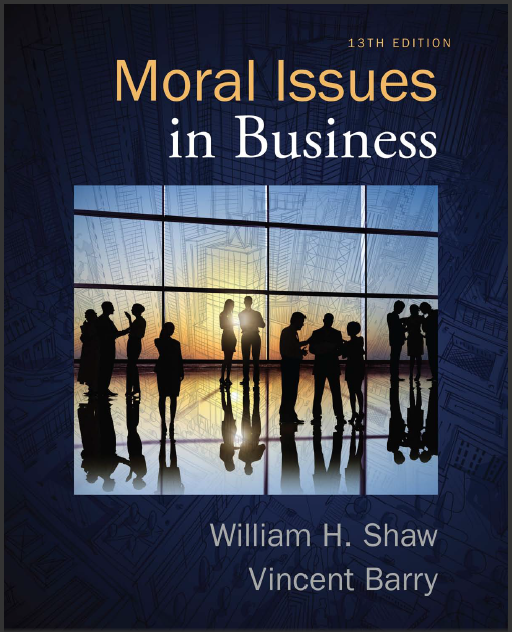
Product details:
ISBN 10: 1285874323
ISBN 13: 9781285874326
Author: William Shaw, Vincent Barry
MORAL ISSUES IN BUSINESS, 13E examines the moral dilemmas that are common to today’s business climate and gives students the analytical tools to resolve those issues. Using a combination of true stories, interesting primary sources, and a conversational writing style, this edition prepares students for the moral quandaries awaiting them in the professional world. Featured topics include: the nature of morality, individual integrity and responsibility, economic justice, pitfalls of capitalism, and corporations’ responsibilities to consumers and the environment. Plus, this edition also discusses situation-specific concepts such as downsizing, whistle blowing, sexual harassment, job discrimination, animal abuse, and drug testing.
Moral Issues in Business 13th Table of contents:
Part 1. Moral Philosophy and Business
-
Chapter 1. The Nature of Morality
-
Ethics
-
Business and Organizational Ethics
-
Moral Versus Nonmoral Standards
-
Morality and Etiquette
-
Morality and Law
-
Professional Codes
-
Where Do Moral Standards Come From?
-
Religion and Morality
-
Morality Needn’t Rest on Religion
-
Ethical Relativism
-
Relativism and the “Game” of Business
-
Having Moral Principles
-
Conscience
-
The Limits of Conscience
-
Moral Principles and Self-Interest
-
Morality and Personal Values
-
Individual Integrity and Responsibility
-
Organizational Norms
-
Conformity
-
Diffusion of Responsibility
-
Moral Reasoning
-
Defensible Moral Judgments
-
Patterns of Defense and Challenge
-
Requirements for Moral Judgments
-
Study Corner
-
Key Terms and Concepts
-
Points to Review
-
For Further Reflection
-
Case 1.1: Made in the U.S.A.—Dumped in Brazil, Africa, Iraq …
-
Case 1.2: Just Drop off the Key, Lee
-
Case 1.3: The A7D Affair
-
Reading 1.1: It’s Good Business
-
Reading 1.2: Moral Responsibility in the Age of Bureaucracy
-
-
Chapter 2. Normative Theories of Ethics
-
Consequentialist and Nonconsequentialist Theories
-
Egoism
-
Misconceptions about Egoism
-
Psychological Egoism
-
Problems with Egoism
-
Utilitarianism
-
Six Points about Utilitarianism
-
Utilitarianism in an Organizational Context
-
Critical Inquiries of Utilitarianism
-
The Interplay between Self-Interest and Utility
-
Kant’s Ethics
-
Good Will
-
The Categorical Imperative
-
Kant in an Organizational Context
-
Critical Inquiries of Kant’s Ethics
-
Other Nonconsequentialist Perspectives
-
Prima Facie Obligations
-
Assisting Others
-
Moral Rights
-
Nonconsequentialism in an Organizational Context
-
Critical Inquiries of Nonconsequentialism
-
Utilitarianism Once More
-
What Will the Optimal Code Look Like?
-
Moral Decision Making: A Practical Approach
-
Obligations, Effects, Ideals
-
Study Corner
-
Key Terms and Concepts
-
Points to Review
-
For Further Reflection
-
Case 2.1: Hacking into Harvard
-
Case 2.2: The Ford Pinto
-
Case 2.3: Blood for Sale
-
Reading 2.1: One Philosopher’s Approach to Business Ethics
-
Reading 2.2: When Is “Everybody’s Doing It” a Moral Justification?
-
-
Chapter 3. Justice and Economic Distribution
-
The Nature of Justice
-
Rival Principles of Distribution
-
The Utilitarian View
-
Utilitarianism and Economic Distribution
-
The Libertarian Approach
-
Nozick’s Theory of Justice
-
Nozick’s Wilt Chamberlain Example
-
The Libertarian View of Liberty
-
Markets and Free Exchange
-
Property Rights
-
Rawls’s Theory of Justice
-
The Original Position
-
Choosing the Principles
-
Rawls’s Two Principles
-
Fairness and the Basic Structure
-
Benefits and Burdens
-
Study Corner
-
Key Terms and Concepts
-
Points to Review
-
For Further Reflection
-
Case 3.1: Eminent Domain
-
Case 3.2: Battling over Bottled Water
-
Case 3.3: Poverty in America
-
Reading 3.1: Income Distribution
-
Reading 3.2: Is Inheritance Justified?
-
Part 2. American Business and Its Basis
-
Chapter 4. The Nature of Capitalism
-
Capitalism
-
Historical Background of Capitalism
-
Key Features of Capitalism
-
Companies
-
Profit Motive
-
Competition
-
Private Property
-
Two Arguments for Capitalism
-
The Natural Right to Property
-
Adam Smith’s Concept of the Invisible Hand
-
Criticisms of Capitalism
-
Inequality
-
Human Nature and Capitalism
-
Competition Isn’t What It’s Cracked Up to Be
-
Exploitation and Alienation
-
Today’s Economic Challenges
-
The Decline of American Manufacturing
-
Exclusive Focus on the Short Term
-
Changing Attitudes toward Work
-
Study Corner
-
Key Terms and Concepts
-
Points to Review
-
For Further Reflection
-
Case 4.1: Catastrophe in Bangladesh
-
Case 4.2: Licensing and Laissez Faire
-
Case 4.3: One Nation under Walmart
-
Case 4.4: A New Work Ethic?
-
Case 4.5: Casino Gambling on Wall Street
-
Case 4.6: Paying College Athletes
-
Reading 4.1: Globalization and Its Discontents
-
Reading 4.2: The Ethics of Corporate Downsizing
-
Reading 4.3: Buddhist Economics
-
-
Chapter 5. Corporations
-
The Limited-Liability Company
-
Corporate Moral Agency
-
Can Corporations Make Moral Decisions?
-
Vanishing Individual Responsibility
-
Rival Views of Corporate Responsibility
-
The Narrow View: Profit Maximization
-
The Broader View: Corporate Social Responsibility
-
Stockholders and the Corporation
-
Debating Corporate Responsibility
-
The Invisible-Hand Argument
-
The Let-Government-Do-It Argument
-
The Business-Can’t-Handle-It Argument
-
Institutionalizing Ethics Within Corporations
-
Limits to What the Law Can Do
-
Ethical Codes and Economic Efficiency
-
Corporate Moral Codes
-
Corporate Culture
-
Study Corner
-
Key Terms and Concepts
-
Points to Review
-
For Further Reflection
-
Case 5.1: Yahoo in China
-
Case 5.2: Drug Dilemmas
-
Case 5.3: Free Speech or False Advertising?
-
Case 5.4: Corporations and Religious Faith
-
Case 5.5: Charity to Scouts?
-
Case 5.6: Corporate Taxation
-
Reading 5.1: The Toxic Side Effects of Shareholder Primacy
-
Reading 5.2: A Debate on the Social Responsibility of Business
-
Reading 5.3: Business Ethics: On Getting to the Heart of the Matter
-
Reading 5.4: Ethical Dilemmas for Multinational Enterprise: A Philosophical Overview
-
Part 3. Business and Society
-
Chapter 6. Consumers
-
Product Safety
-
The Legal Liability of Manufacturers
-
Government Safety Regulation
-
How Effective Is Regulation?
-
The Responsibilities of Business
-
Other Areas of Business Responsibility
-
Product Quality
-
Pricing
-
Labeling and Packaging
-
Deception and Unfairness in Advertising
-
Deceptive Techniques
-
The Federal Trade Commission’s Role
-
Ads Directed at Children
-
The Debate Over Advertising
-
Consumer Needs
-
Market Economics
-
Free Speech and the Media
-
Study Corner
-
Key Terms and Concepts
-
Points to Review
-
For Further Reflection
-
Case 6.1: Breast Implants
-
Case 6.2: Hot Coffee at McDonald’s
-
Case 6.3: Sniffing Glue Could Snuff Profits
-
Case 6.4: Closing the Deal
-
Case 6.5: The Rise and Fall of Four Loko
-
Reading 6.1: The Ethics of Sales
-
Reading 6.2: The Inconclusive Ethical Case against Manipulative Advertising
-
Reading 6.3: Why Do We Consume So Much?
-
-
Chapter 7. The Environment
-
Business and Ecology
-
Ecosystems
-
Business’s Traditional Attitudes Toward the Environment
-
The Ethics of Environmental Protection
-
The Costs of Pollution Control
-
Who Should Pay the Costs?
-
Achieving Our Environmental Goals
-
Regulations
-
Incentives
-
Pricing Mechanisms and Pollution Permits
-
Delving Deeper into Environmental Ethics
-
Global Environmental Fairness
-
Obligations to Future Generations
-
The Value of Nature
-
Our Treatment of Animals
-
Study Corner
-
Key Terms and Concepts
-
Points to Review
-
For Further Reflection
-
Case 7.1: Hazardous Homes in Herculaneum
-
Case 7.2: Poverty and Pollution
-
Case 7.3: The Fordasaurus
-
Case 7.4: The Fight over the Redwoods
-
Case 7.5: Palm Oil and Its Problems
-
Reading 7.1: The Place of Nonhumans in Environmental Issues
-
Reading 7.2: Business and Environmental Ethics
-
Part 4. The Organization and the People in It
-
Chapter 8. The Workplace (1): Basic Issues
-
Civil Liberties in the Workplace
-
Current Trends
-
Companies that Look Beyond the Bottom Line
-
Hiring
-
Screening
-
Testing
-
Interviewing
-
Promotions
-
Seniority
-
Inbreeding
-
Nepotism
-
Discipline and Discharge
-
Two Basic Principles
-
Dismissing Employees
-
Wages
-
A Living Wage
-
Labor Unions
-
History of the Union Movement
-
The Plight of Unions Today
-
Union Ideals
-
Union Tactics
-
Study Corner
-
Key Terms and Concepts
-
Points to Review
-
For Further Reflection
-
Case 8.1: AIDS in the Workplace
-
Case 8.2: Web Porn at Work
-
Case 8.3: Speaking Out about Malt
-
Case 8.4: Have Gun, Will Travel … to Work
-
Case 8.5: Union Discrimination
-
Reading 8.1: Employment at Will and Due Process
-
Reading 8.2: The Libertarian Critique of Labor Unions
-
Reading 8.3: The Meaning and Value of Work
-
-
Chapter 9. The Workplace (2): Today’s Challenges
-
Organizational Influence in Private Lives
-
The Importance of Privacy
-
Legitimate and Illegitimate Influence
-
Testing and Monitoring
-
Informed Consent
-
Polygraph Tests
-
Personality Tests
-
Drug Testing
-
Monitoring Employees on the Job
-
Working Conditions
-
Health and Safety
-
OSHA
-
Management Styles
-
Day Care and Maternity Leave
-
Redesigning Work
-
Dissatisfaction on the Job
-
Improving Work Life
-
Study Corner
-
Key Terms and Concepts
-
Points to Review
-
For Further Reflection
-
Case 9.1: Unprofessional Conduct?
-
Case 9.2: Testing for Honesty
-
Case 9.3: She Snoops to Conquer
-
Case 9.4: Protecting the Unborn at Work
-
Case 9.5: Swedish Daddies
-
Reading 9.1: Drug Testing in Employment
-
Reading 9.2: Work, Privacy, and Autonomy
-
Reading 9.3: Workplace Wars: How Much Should I Be Required to Meet the Needs of Your Children?
-
Reading 9.4: Participation in Employment
-
-
Chapter 10. Moral Choices Facing Employees
-
Obligations to the Firm
-
Loyalty to the Company
-
Conflicts of Interest
-
Abuse of Official Position
-
Insider Trading
-
Proprietary Data
-
Bribes and Kickbacks
-
The Foreign Corrupt Practices Act
-
The Case against Overseas Bribery
-
Gifts and Entertainment
-
Conflicting Obligations
-
Whistle-Blowing
-
The Definition of Whistle-Blowing
-
What Motivates Whistle-Blowers?
-
When Is Whistle-Blowing Justified?
-
Self-Interest and Moral Obligation
-
Protecting Those Who Do the Right Thing
-
Study Corner
-
Key Terms and Concepts
-
Points to Review
-
For Further Reflection
-
Case 10.1: Changing Jobs and Changing Loyalties
-
Case 10.2: Conflicting Perspectives on Conflicts of Interest
-
Case 10.3: Inside Traders or Astute Observers?
-
Case 10.4: The Housing Allowance
-
Case 10.5: Ethically Dubious Conduct
-
Reading 10.1: Does It Make Sense to Be a Loyal Employee?
-
Reading 10.2: Analyzing Insider Trading from the Perspectives of Utilitarianism and Rights Theory
-
Reading 10.3: Foreign Corrupt Practices: How to Deal with Foreign Forms of Bribery
-
Reading 10.4: Some Paradoxes of Whistleblowing
-
Chapter 11. Job Discrimination
-
The Meaning of Job Discrimination
-
Evidence of Discrimination
-
Statistical Evidence
-
Attitudinal Evidence
-
Affirmative Action: The Legal Context
-
Affirmative Action Programs
-
The Supreme Court’s Position
-
Affirmative Action: The Moral Issues
-
Arguments for Affirmative Action
-
Arguments against Affirmative Action
-
Comparable Worth
-
Sexual Harassment
-
The Definition of Sexual Harassment
-
Dealing with Sexual Harassment
-
Study Corner
-
Key Terms and Concepts
-
Points to Review
-
For Further Reflection
-
Case 11.1: Minority Set-Asides
-
Case 11.2: Hoop Dreams
-
Case 11.3: Raising the Ante
-
Case 11.4: Consenting to Sexual Harassment
-
Case 11.5: Facial Discrimination
-
Reading 11.1: A Defense of Programs of Preferential Treatment
-
Reading 11.2: Rethinking Sexual Harassment
-
Reading 11.3: Job Discrimination and Gay Rights
People also search for Moral Issues in Business 13th :
moral issues in business 13th edition pdf
moral issues in business 13th edition ebook
moral issues in business 13th edition pdf free download
moral issues in business 13th edition free
moral issues in business 13th edition citation
Tags: William Shaw, Vincent Barry, Moral Issues