

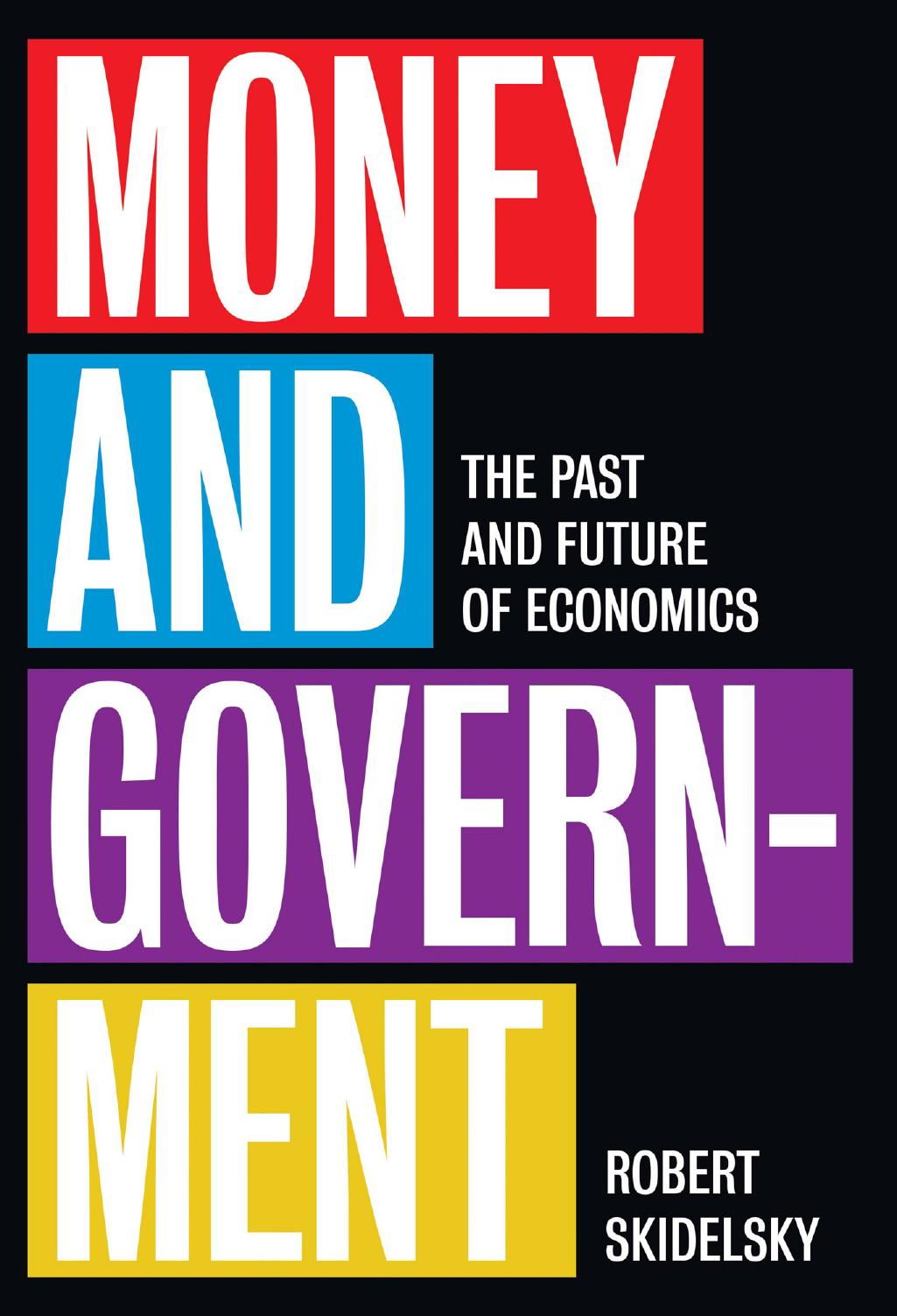
Money and Government The Past and Future of Economics 1st edition by Robert Skidelsky – Ebook PDF Instant Download/Delivery: 030024424X , 9780300244243
Full download Money and Government The Past and Future of Economics 1st edition after payment
Product details:
ISBN 10: 030024424X
ISBN 13: 9780300244243
Author: Robert Skidelsky
The dominant view in economics is that money and government should play only minor roles in economic life. Economic outcomes, it is claimed, are best left to the “invisible hand” of the market. Yet these claims remain staunchly unsettled. The view taken in this important new book is that the omnipresence of uncertainty makes money and government essential features of any market economy.
Since Adam Smith, classical economics has espoused non-intervention in markets. The Great Depression brought Keynesian economics to the fore; but stagflation in the 1970s brought a return to small-state orthodoxy. The 2008 global financial crash should have brought a reevaluation of that stance; instead the response has been punishing austerity and anemic recovery. This book aims to reintroduce Keynes’s central insights to a new generation of economists, and embolden them to return money and government to the starring roles in the economic drama that they deserve.
Money and Government The Past and Future of Economics 1st Table of contents:
Part One: History of Economic Thought
1. The Mysteries of Money: A Short History
i. The Classical Dichotomy
ii. The Origins of Money
iii. The Value of Money
iv. Creditors and Debtors
v. The Origins of the Quantity Theory of Money
vi. The Demand for Money
vii. Money, the Great Deceiver
viii. Conclusion
2. The Fight for the Gold Standard
i. Prelude to the Gold Standard: the British Recoinage Debate of the 1690s
ii. Nineteenth-century Monetary Debates: An Overview
iii. Bullionists versus the ‘Real Bills’ Doctrine
iv. Currency School versus Banking School
v. Bimetallism
vi. How Did the Gold Standard Actually Work?
3. The Quantity Theory of Money: From History to Science
i. The Quantity Theory of Money: The Two Branches
ii. Fisher’s Santa Claus
iii. Knut Wicksell’s Credit Money version of the QTM
iv. Was Wicksell a Quantity Theorist?
v. Conclusion
Appendix 3.1: Fisher’s Equation
4. Theories of the Fertile and Barren State
i. Introduction
ii. The Fertile State of the Mercantilists
iii. The Wasteful State of the Political Economists
iv. The Victorian Fiscal Constitution
v. The Persistence of Mercantilism
vi. Conclusion
Part Two: The Rise, Triumph and Fall of Keynes
5. Keynes’s Intervention
i. The Trouble with Money
ii. The Problem with Fiscal Policy
iii. The Macmillan Committee
iv. The General Theory of Employment, Interest, and Money
v. Policy Implications
vi. Conclusion
Appendix 5.1: Contrast Between the Classical and Keynesian Models
Appendix 5.2: The Fiscal Multiplier
6. The Keynesian Ascendancy
i. Keynesianism Ascendant
ii. Full Employment Keynesianism: 1945–60
iii. Growth Keynesianism: 1960–70
iv. Reasons for the Strength of the Boom
v. Stagflation Keynesianism: 1970–76
vi. Great Britain: the End of the Keynesian Road
7. The Theory and Practice of Monetarism
i. Keynes and the Classics
ii. The Neo-classical Synthesis
iii. The Emergence of the Counter-orthodoxy
iv. Monetarism
v. The Monetarist Experiment: 1976–85
vi. Monetarism’s Fiscal Legacy
vii. From Friedman to the New Consensus: 1985–2008
viii. Conclusion
Appendix 7.1: IS/LM, the Keynesian Teaching Tool
Appendix 7.2: The Modelling of Expectations
Appendix 7.3: The Central Bank Reaction Function
Part Three: Macroeconomics in the Crash and After, 2007–
8. The Disablement of Fiscal Policy
i. The Fiscal Crisis of the State
ii. The British Debate
iii. Austerity: A Comparative Assessment
iv. Conclusion
Appendix 8.1: Monetary Financing of the Deficit
9. The New Monetarism
i. Pre-crash Monetary Orthodoxy
ii. Why Quantitative Easing?
iii. Quantitative Easing Programmes, 2008–16
iv. How was QE Meant to Work?
v. Assessment
vi. Conclusion
Appendix 9.1: A Note on Tim Congdon
10. Distribution as a Macroeconomic Problem
i. The Indifference of Mainstream Theory to Inequality
ii. The Microeconomics of Distribution
iii. Distribution and the Macroeconomy
iv. The Modern Under-consumptionist Story
v. Conclusion
11. What Was Wrong with the Banks?
i. Pre-crash Orthodoxy
ii. Theory
iii. Understanding Banking: Some Essential Terms
iv. Loosening the Regulatory Noose
v. Financial Innovation
vi. Conclusion
Appendix 11.1: Why Didn’t the Credit Ratings Agencies Do Their Job?
12. Global Imbalances
i. Introduction
ii. A Pre-crash Bird’s-eye View
iii. Some Basic Theory
iv. Current Account Imbalances as a Cause of Meltdown?
v. Saving Glut versus Money Glut
vi. Banking Imbalances
vii. Conclusion
Part Four: A New Macroeconomics
13. Reinventing Political Economy
i. Introduction
ii. What Should Governments Do and Why?
iii. A New Macroeconomic Constitution
iv. The Inflation Problem
v. Making Banking Safe
vi. Inequality
vii. Hyper-globalization and its Discontents
viii. Reforming Economics
Notes
Bibliography
Index
People also search for Money and Government The Past and Future of Economics 1st:
money and government robert skidelsky pdf
what are the main things the government spends money on
which branch of government deals with money
robert skidelsky keynes
money and government
Tags: Robert Skidelsky, Money and Government, The Past