


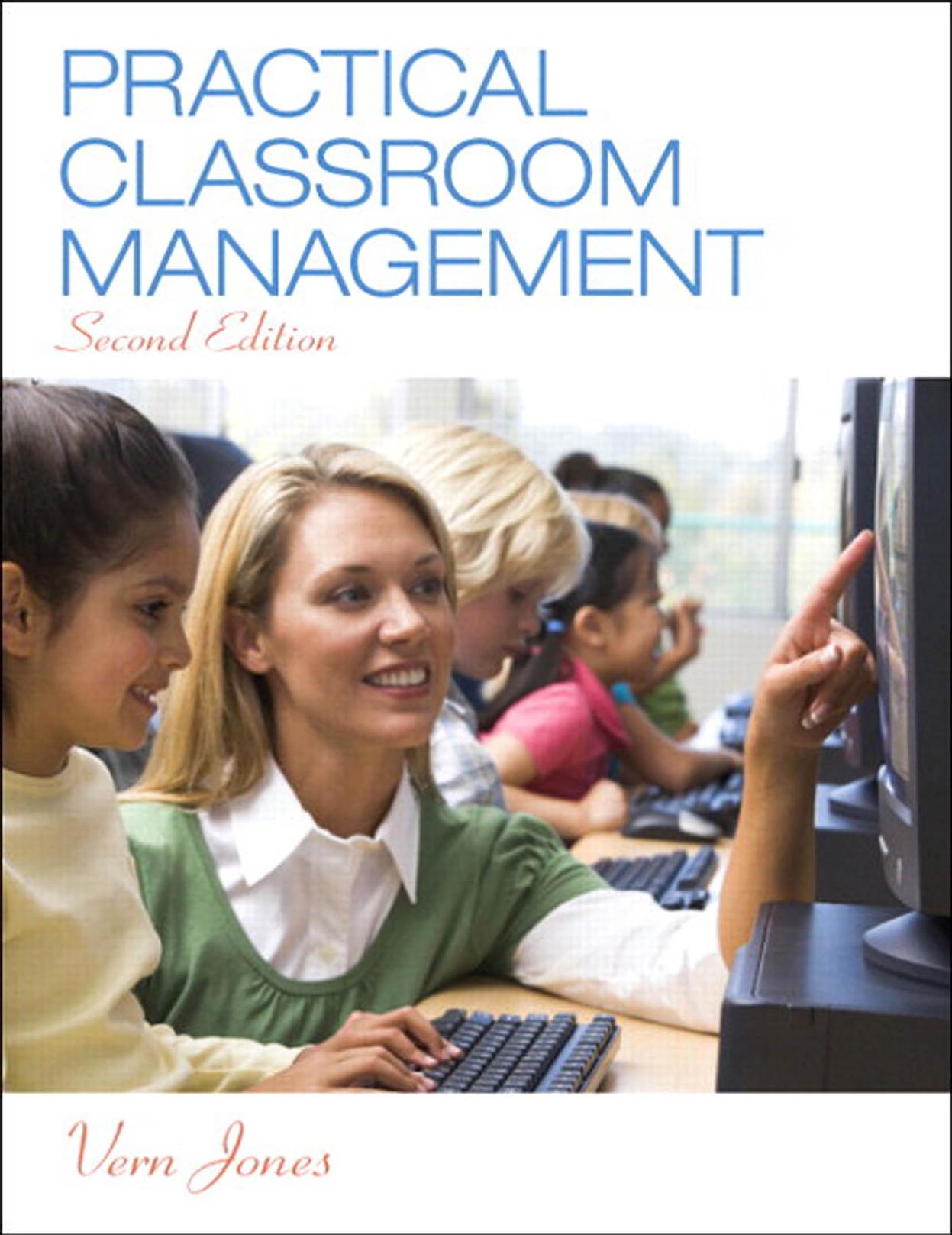
Practical Classroom Management 1st edition by Vern Jones – Ebook PDF Instant Download/Delivery: 0133367053, 9780133367058
Full download Practical Classroom Management 1st edition after payment
Product details:
ISBN 10: 0133367053
ISBN 13: 9780133367058
Author: Vern Jones
Succinct, Practical, Interactive, Real. Practical Classroom Management, Loose-Leaf Version focuses on providing clear and concise descriptions of research-validated best practices. It describes and demonstrates how to effectively apply those practices and includes tools like action plans, forms, and checklists that can be used in real classrooms. Case studies and embedded classroom management simulations provide opportunities to practice concepts and strategies discussed in the text, making for a powerful learning experience that students can transfer to the classroom. The Enhanced Pearson eText features interactive learning modules, classroom simulations, and assessments.
Practical Classroom Management 1st Table of contents:
Chapter 1 Understanding Effective Classroom Management
Key Chapter Knowledge and Skills
Research Basis for the Materials Presented in This Text
Classroom Management in Perspective
Basic Assumptions about Classroom Management
Key Components of Effective Classroom Management
Schoolwide Positive Behavioral Interventions and Supports
Student Factors that Influence Learning and Behavior
Personal Needs Theories
Abraham Maslow
Rudolf Dreikurs
William Glasser
Stanley Coopersmith
Differences in Culture Between Teachers and Students
Developing Your Approach to Classroom Management
Action Plan for Enhancing Your Classroom Management Skills
Five Factors in Effective Classroom Management
Reasons I Would Place Myself in This Category
Recommended Reading
Chapter 2 Creating Positive Teacher–Student Relationships
Key Chapter Knowledge and Skills
Teacher–Student Relationships
What Do Students Say They Value in Teachers?
Establishing Positive Relationships with Students
Creating Open, Professionally Appropriate Dialogue with Students
Electronic Communication and Teacher–Student Relationships
Methods for Communicating Caring and Support
Getting to Know Students
Greeting Students at the Classroom Door
Arranging Individual Conferences with Students
Demonstrating Interest in Students’ Activities
Eating Lunch with Students
Sending Letters and Notes to Students
Using a Suggestion Box
Joining in School and Community Events
Joining in Playground Games
Helping Students New to the School Meet Key Adults
Showing Support for Student Diversity
Physical Contact with Students
Maintaining a High Ratio of Positive to Negative Statements
Communicating High Expectations
Giving Specific, Descriptive Feedback
Listening to Students
Empathic, Nonevaluative Listening
Using Culturally Sensitive Communication
Evaluating the Quality of Teacher–Student Relationships
Creating a Community of Support by Developing Positive Peer Relationships in the Classroom
Stages of Group Development
Acquaintance Activities
The Name Chain
Bingo
Interviews
Guess Who?
Who Are We?
T-Shirt
Shoe Box or Paper Bag
Incorporating Acquaintance Activities into Course Content
Activities for Establishing a Cohesive, Supportive Group
Activities for Elementary School Classrooms
Good Deeds Tree
Valentine Booklets
Secret Pal Books
Student Directory
Class Spirit
Class History
Photo Album
Teaching Students How to Be Positive with One Another
Opening and Closing Questions
Service Projects
Activities for Secondary Classrooms
Group Contributions
Tower Building
Paraphrasing Passport
Group Decision Making
Identifying Similarities and Differences in Talents
Four Corners
Shared Experiences
Partner Interviews
Base Groups
School Climate
Creating a School Climate that Supports Students and Families from Different Cultures
Issues Related to Peer Harassment and Bullying
Individual Bully Factors
Teacher Behavior
Responses to Bullying Incidents
Creating a School Climate that Supports LGBT Students
Anti-Bullying Programs
Action Plan for Enhancing Your Classroom Management Skills
Recommended Reading
Chapter 3 Working with Parents
Key Chapter Knowledge and Skills
Methods for Obtaining Parental Support
An Introductory Letter
Introductory Phone Calls
Home Visits
An Initial Event at School or in the Classroom
The Initial Meeting (Back-to-School Night)
Follow-Up
Continuing Teacher–Parent Communication
Weekly Planner
Friday Envelopes
Newsletters
A Classroom Website
Progress Reports
Additional Methods
Involving Parents in the Classroom
Parent Conferences
Preparing for a Conference
Preparing Students
Preparing Parents/Guardians
Teacher Preparation
Conducting an Effective Conference
Student-Led Conferences
Dealing Effectively with Parents’ Criticisms and Confrontations
Additional Methods for Positively Engaging Parents of English Language Learners
Action Plan for Enhancing Your Classroom Management Skills
Recommended Reading
Chapter 4 Developing Standards for Classroom Behavior and Methods for Maximizing On-Task Student Behavior
Key Chapter Knowledge and Skills
Beginning the School Year: Establishing Behavior Standards
Methods for Developing General Behavior Standards or Rules
Discussing the Value of Rules and Behavior Standards
Developing a List
Getting a Commitment
Monitoring and Reviewing Classroom Rules
Creating Rules for the Teacher
Classroom Procedures
Effective Procedures
Teaching and Monitoring Classroom Procedures
Procedures for Cell Phones
Creative Examples of Teaching and Reviewing Rules and Procedures
Case Study: Dealing with the Dilemma of Gum Chewing
Case Study: Implementing a Developmental Recess to Reteach Playground Behavior Expectations
Case Study: Teaching Students to Respect Physical Space
Case Study: Teaching Students Hallway Behavior in a Middle School
Case Study: Changing Teachers’ Procedures
Case Study: Teaching Rules and Procedures to New Students
Putting It All Together: An Outline for Beginning the School Year
Classroom Management Skills that Help Maximize On-Task Behavior
Arranging the Classroom
Beginning a Lesson
Giving Clear Instructions
Maintaining Attention
Pacing
Using Seatwork Effectively
Summarizing
Providing Useful Feedback and Evaluation
Making Smooth Transitions
Planning for Early Childhood Settings
Procedures for Preventing Common Classroom Disruptions
Action Plan for Enhancing Your Classroom Management Skills
Checklist of Effective Strategies
Developing General Classroom Guidelines
Developing Specific Classroom Procedures
Classroom Management Skills That Help Maximize On-Task Behavior
Dealing with Common Classroom Disruptions
Recommended Reading
Chapter 5 Increasing Students’ Motivation to Learn
Key Chapter Knowledge and Skills
Key Issues in Student Motivation to Learn
Students’ Academic Needs
Academic Need 1: Understand the Learning Goals
Academic Need 2: Understand the Learning Process
Develop a Functional Definition of Learning
Understand the Procedures Associated with the Learning Activity
Learn How to Study Effectively
General Methods for Demystifying Learning
Academic Need 3: Actively Engage in the Learning Process
Academic Need 4: Relate Learning Goals to Individual Interests and Choices
Utilizing Thematic Units
Place-Based Education
Involving Students in Academic Goal Setting
Academic Need 5: Obtain Instruction Responsive to Their Learning Styles and Strengths
Adjusting Environmental Factors to Meet Students’ Learning Needs
Howard Gardner’s Work on Multiple Intelligences
Academic Need 6: See Learning Modeled by Adults as an Exciting and Rewarding Process
Academic Need 7: Experience Success
Differentiated Instruction
Strategies for Facilitating the Achievement of English Language Learners
Academic Need 8: Have Time to Integrate Learning
Academic Need 9: Receive Realistic and Immediate Feedback that Enhances Self-Efficacy
Academic Need 10: Take Part in Self-Evaluating Their Learning and Effort
Academic Need 11: Earn Appropriate Rewards for Performance Gains
Academic Need 12: Participate in a Safe, Well-Organized Learning Environment
Action Plan for Enhancing Your Classroom Management Skills
Checklist of Effective Strategies
Enhancing Students’ Motivation to Learn
Recommended Reading
Chapter 6 Responding to Behavior that Disrupts the Learning Process
Key Chapter Knowledge and Skills
An Overview of the Problem
Responding Effectively to Inappropriate or Disruptive Behavior
Follow-Up Interventions
Responding to common classroom disruptions
Responding to Defiant Behavior
Prepare Students for Situations that May Be Difficult
Build a Positive Relationship Bank Account with Known Power Strugglers
Ensure Your Requests Have Been Made Clearly, Politely, and Firmly
Model Self-Control
Respond Thoughtfully and Purposefully to De-Escalate the Behavior
Handling Violent Student Behavior
Using Time-Out
A Classroom Procedure for Responding to Disruptive Behavior
Using Problem Solving to Assist Students in Learning More Responsible Behaviors
A Model for Solving Problems with Individual Students
Glasser’s Seven Steps to Effective Problem Solving
Step One
Step Two
Step Three
Step Four
Step Five
Step Six
Step Seven
Example
Implementing Problem Solving in the Classroom
Incorporating Class Meetings as a Problem-Solving and Community-Building Approach
Guidelines for Implementing a Class Meeting
Disciplining Students Identified with Special Needs
Incorporating Problem Solving into a Schoolwide Student Management Plan
Involving Students in Solving Schoolwide Problems
Zero-Tolerance Policies and Suspensions
A Sequential, Schoolwide Response to Behavior that Disrupts the Learning Environment
The Role of Reinforcement in Encouraging Students to Act Responsibly
Action Plan for Enhancing Your Classroom Management Skills
Recommended Reading
Chapter 7 Developing Individual Behavior Change Plans
Key Chapter Knowledge and Skills
Understanding What Causes Student Behavior: Conducting a Classroom Behavior Assessment
Case Study: Elementary School
Case Study: High School
Strategies for Helping Students Develop New Behavior Skills
Self-Monitoring
Procedures
Case Study: Middle School
Background
Classroom Problem
Intervention Plan
Results
Afterthoughts
Self-Instruction
Social Skills Training
Implementing a Social Skills Lesson
Case Study: A Sixth-Grade Boy Involved in Aggressive Behavior
Case Study: A Fifth-Grader Who Was Running Away from School
Developing Contracts
Negotiating a Contract
Selecting Reinforcement Procedures and Consequences
Check-in/Check-Out as a Form of Contract
Group Contracts
Developing a Classroom Behavior Change Plan
Action Plan for Enhancing Your Classroom Management Skills
Implementation Activity
Recommended Reading
People also search for Practical Classroom Management 1st :
practical classroom management strategies
practical classroom management pdf
the classroom management handbook a practical blueprint for engagement
practical approaches to behaviour management in the classroom
what is classroom management important