


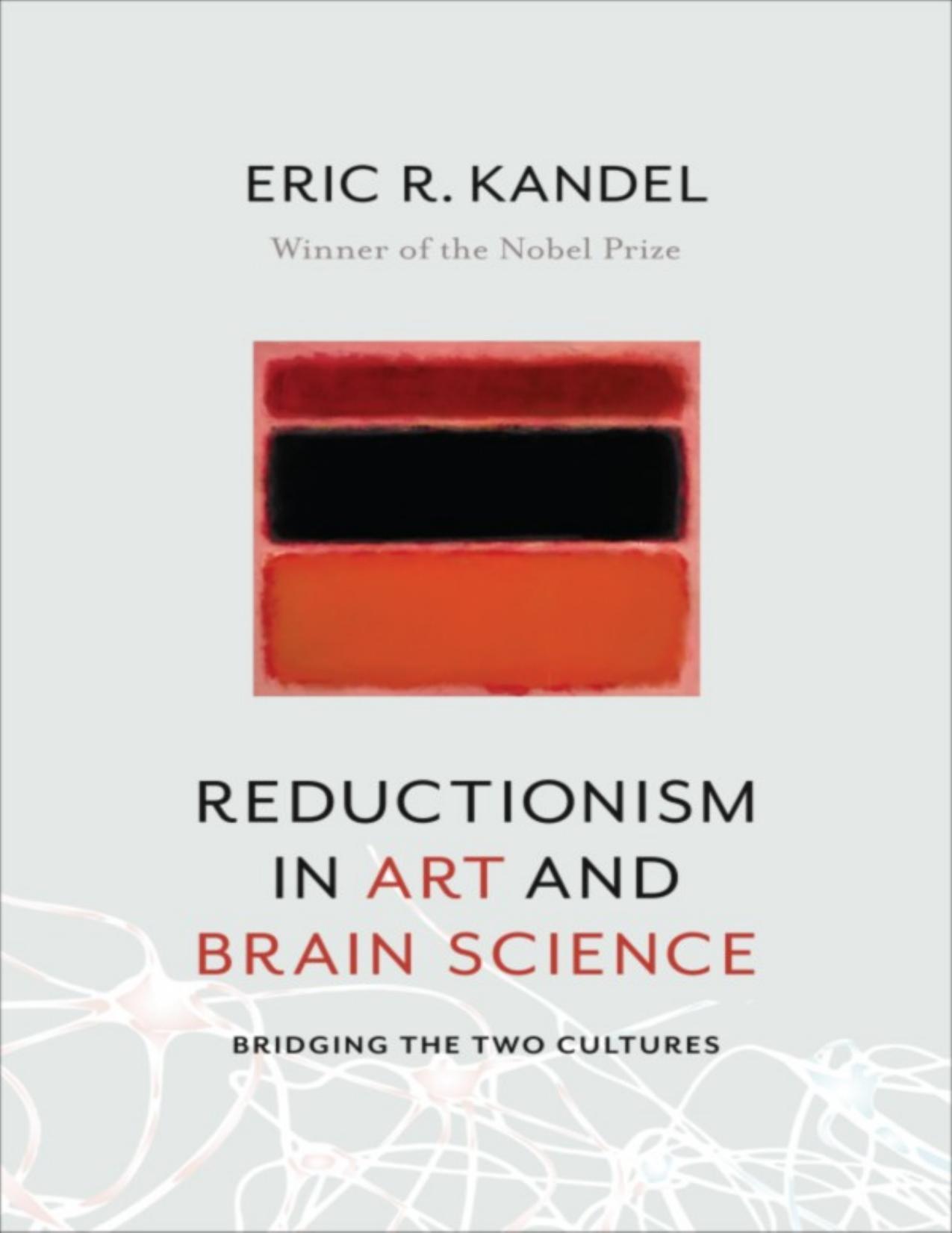
Reductionism in Art and Brain Science Bridging the Two Cultures 1st edition by Eric Kandel ISBN 0231542081 9780231542081
Original price was: $70.00.$35.00Current price is: $35.00.
Instant download Reductionism in Art and Brain Science Bridging the Two Cultu Kandel Eric R; Kandel Eric R; after payment
Reductionism in Art and Brain Science Bridging the Two Cultures 1st edition by Eric Kandel – Ebook PDF Instant Download/Delivery: 0231542081 , 9780231542081
Full download Reductionism in Art and Brain Science Bridging the Two Cultures 1st edition after payment
Product details:
ISBN 10: 0231542081
ISBN 13: 9780231542081
Author: Eric Kandel
Are art and science separated by an unbridgeable divide? Can they find common ground? In this new book, neuroscientist Eric R. Kandel, whose remarkable scientific career and deep interest in art give him a unique perspective, demonstrates how science can inform the way we experience a work of art and seek to understand its meaning. Kandel illustrates how reductionism—the distillation of larger scientific or aesthetic concepts into smaller, more tractable components—has been used by scientists and artists alike to pursue their respective truths. He draws on his Nobel Prize-winning work revealing the neurobiological underpinnings of learning and memory in sea slugs to shed light on the complex workings of the mental processes of higher animals. In Reductionism in Art and Brain Science, Kandel shows how this radically reductionist approach, applied to the most complex puzzle of our time—the brain—has been employed by modern artists who distill their subjective world into color, form, and light. Kandel demonstrates through bottom-up sensory and top-down cognitive functions how science can explore the complexities of human perception and help us to perceive, appreciate, and understand great works of art. At the heart of the book is an elegant elucidation of the contribution of reductionism to the evolution of modern art and its role in a monumental shift in artistic perspective. Reductionism steered the transition from figurative art to the first explorations of abstract art reflected in the works of Turner, Monet, Kandinsky, Schoenberg, and Mondrian. Kandel explains how, in the postwar era, Pollock, de Kooning, Rothko, Louis, Turrell, and Flavin used a reductionist approach to arrive at their abstract expressionism and how Katz, Warhol, Close, and Sandback built upon the advances of the New York School to reimagine figurative and minimal art. Featuring captivating drawings of the brain alongside full-color reproductions of modern art masterpieces, this book draws out the common concerns of science and art and how they illuminate each other.
Reductionism in Art and Brain Science Bridging the Two Cultures 1stTable of contents:
Part 1
The Two Cultures Meet in the New York School
Introduction
1 The Emergence of an Abstract School of Art in New York
Part 2
A Reductionist Approach to Brain Science
2 The Beginning of a Scientific Approach to the Perception of Art
The Beholder’s Share
The Inverse Optics Problem: Intrinsic Limitations of Visual Perception
3 The Biology of the Beholder’s Share: Visual Perception and Bottom-up Processing in Art
The Visual System
The Face-Processing Component of the Visual System
Other Components of the Human Nervous System
The Interaction of Vision and Touch and the Recruitment of Emotion
4 The Biology of Learning and Memory: Top-Down Processing in Art
A Reductionist Approach to Learning and Memory
Merging the Psychology and Biology of Learning and Memory
Where Is Memory Stored?
How Is Memory Stored?
The Formation of Short- and Long-Term Memory
Modifying the Functional Architecture of the Brain
Top-Down Processing and Art
Part 3
A Reductionist Approach to Art
5 Reductionism in the Emergence of Abstract Art
Turner and the Move Toward Abstraction
Monet and Impressionism
Schoenberg, Kandinsky, and the First Truly Abstract Images
6 Mondrian and the Radical Reduction of the Figurative Image
7 The New York School of Painters
De Kooning and the Reduction of Figuration
Pollock and the Deconstruction of the Easel Painting
8 How the Brain Processes and Perceives Abstract Images
Sensation and Perception
Revisiting the Abstract Painting of de Kooning and Pollock
9 From Figuration to Color Abstraction
Rothko and Color Abstraction
Louis’s Approach to Abstraction and Reduction of Color
The Emotional Power of Color-Field Painting
10 Color and the Brain
Color Vision
Color and Emotion
11 A Focus on Light
Flavin and Fluorescent Light
Turrell and the Physical Presence of Light and Space
12 A Reductionist Influence on Figuration
Katz and the Return to Figuration
Warhol and Pop Art
Close and Synthesis
Part 4
The Emerging Dialogue Between Abstract Art and Science
13 Why is Reductionism Successful in Art?
Abstract Art’s New Rules for Visual Processing
The Beholder as Creative Viewer
Creativity and the Default Network: Abstract Art
Abstract Art and the Construal-Level Theory of Psychological Distance
14 A Return to the Two Cultures
Acknowledgments
Notes
References
Illustration Credits
Index
People also search for Reductionism in Art and Brain Science Bridging the Two Cultures 1st:
kandel reductionism in art and brain science
what is reductionist science
why is reductionism bad in psychology
why is reductionism bad
types of brain science
Tags: Eric Kandel, Brain Science, Two Cultures