


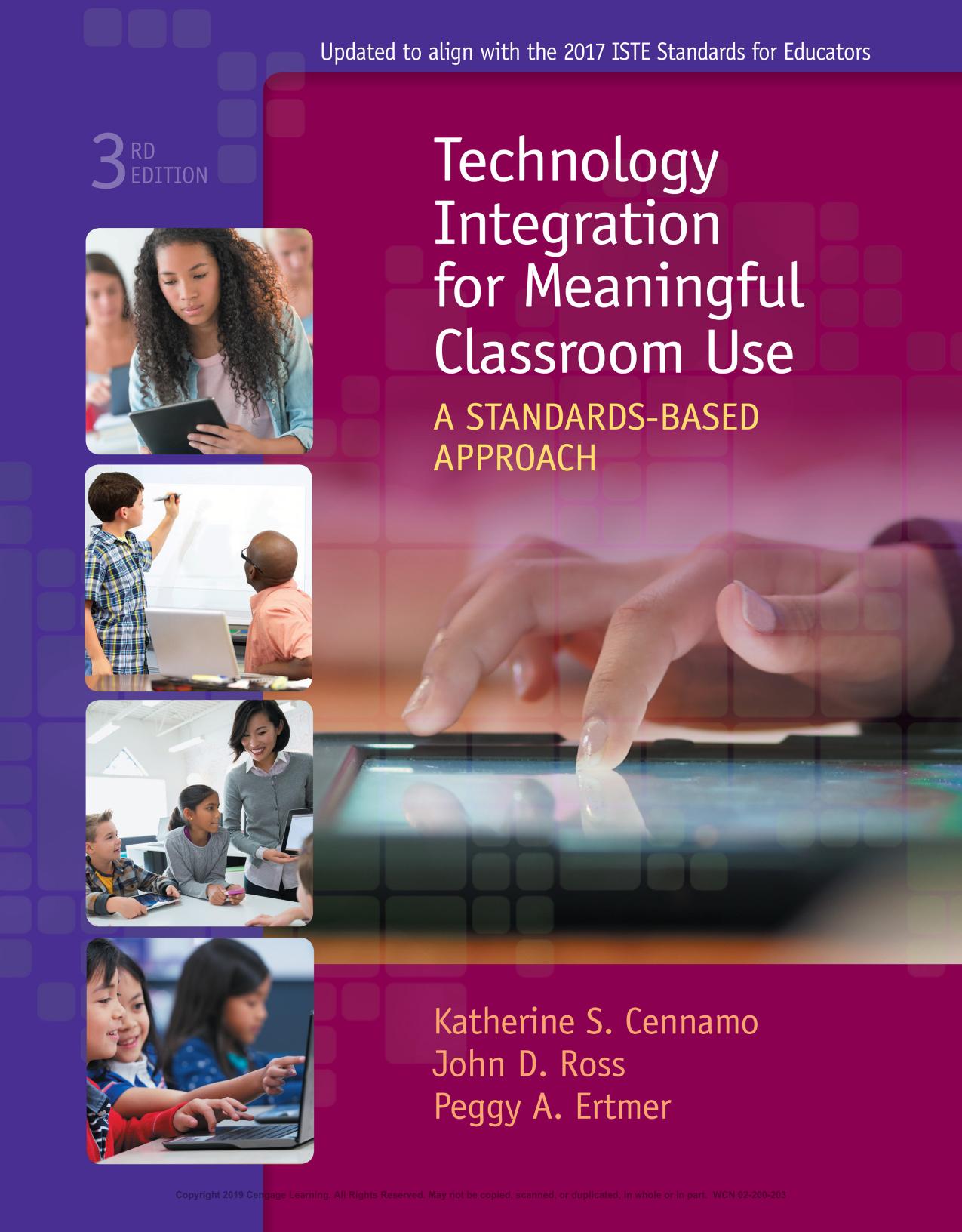
Technology Integration for Meaningful Classroom Use A Standards Based Approach 3rd Edition by Katherine Cennamo, John Ross, Peggy Ertmer ISBN 1305960572 978-1305960572
Original price was: $70.00.$35.00Current price is: $35.00.
Instant download Technology Integration for Meaningful Classroom Use A Standards Based Approach 3rd Edition Katherine Cennamo after payment
Technology Integration for Meaningful Classroom Use A Standards Based Approach 3rd Edition by Katherine Cennamo, John Ross, Peggy Ertmer – Ebook PDF Instant Download/Delivery: 1305960572 , 978-1305960572
Full download Technology Integration for Meaningful Classroom Use A Standards Based Approach 3rd edition after payment
Product details:
ISBN 10: 1305960572
ISBN 13: 978-1305960572
Author: Katherine Cennamo, John Ross, Peggy Ertmer
Educational technology changes constantly. That’s why TECHNOLOGY INTEGRATION FOR MEANINGFUL CLASSROOM USE: A STANDARDS-BASED APPROACH, 3rd Edition is such a useful resource. This text equips you with the knowledge, creative and critical thinking skills and confidence to successfully navigate the ever-evolving environment of technology integration in the classroom. Its self-directed approach, along with the activities included to build and model self-directed learning with your students, helps you develop skills that you can apply throughout your career to find and use the most appropriate technologies for your students and subject areas. Just like the 2017 ISTE Standards for Educators on which the book is based, the focus is on empowering teachers to be successful in a changing education space.
Technology Integration for Meaningful Classroom Use A Standards Based Approach 3rd Table of contents:
Chapter 1. Technology Integration: A Standards-Based Approach
1-1. Technologies in Teaching and Learning: A Historical Perspective
1-1a. Computer Technology in Education
1-1b. Summary of Technology Integration in Teaching and Learning
1-2. The Standards Movement
1-2a. The Value of Standards
1-3. The Technology Integration Continuum
1-3a. Stages in Technology Integration
Chapter Summary
Key Terms
Your Portfolio
References
Chapter 2. Teacher as Learner
2-1. Self-Directed Learning: The GAME Plan
2-1a. Using the GAME Plan to Learn about Technology-Enabled Pedagogical Strategies: An Example
2-1b. Summary of GAME Plan for Self-directed Learning
2-2. Leveraging Technology to Support Student Learning
2-2a. Set Goals and Take Action
2-2b. Monitoring and Evaluating Your Professional Growth through Reflection
2-3. Participating in Local and Global Learning Networks
2-3a. Local Support for Levering Technology in Your Classroom
2-3b. Virtual Learning Communities
2-3c. Other Formal and Informal Learning Opportunities
2-3d. Summary and Benefits
2-4. Exploring Current Research
2-4a. Types of Educational Research
2-4b. Interpreting Technology Research
2-4c. Consumers of Research
2-5. Documenting Growth and Competency through Portfolios
Chapter Summary
Key Terms
Your Portfolio
References
Chapter 3. Supporting Deeper Learning through Authentic Instruction
3-1. Facilitating Deeper Learning through Authentic Instruction
3-1a. Characteristics of Authentic Instruction
3-1b. Technology Support for Authentic Instruction
3-2. Facilitating Deeper Learning While Meeting Content Standards
3-2a. Critical Thinking Skills
3-2b. Interpreting Content Standards
3-2c. Using Technology to Support Authentic Instruction: An Example
Chapter Summary
Key Terms
Your Portfolio
References
Chapter 4. Designing Personalized Learning Experiences
4-1. Principles of Instructional Design
4-1a. Instructional Designers Select Instructional Strategies
4-1b. Instructional Design as a Process
4-1c. Instructional Design and Innovative Digital Learning Environments
4-1d. Supporting Students as Self-Directed Learners
4-2. The Foundations of Personalized Learning
4-2a. Know Your Students: First Step in Personalized Learning
4-2b. Using Technology to Personalize Learning
4-3. Universal Design for Learning
4-3a. Neural Networks Foundational to UDL
4-3b. Universal Design for Learning in the Classroom
Chapter Summary
Key Terms
Your Portfolio
References
Chapter 5. Establishing a Supportive Classroom Culture
5-1. Developing a Culture of Thinking
5-1a. Supporting the Metacognitive Needs of Students
5-1b. Facilitating Productive Discussions
5-1c. Facilitating Productive Student Groups
5-2. Technology-Enriched Learning Environments
5-2a. Technology Support for Whole-Group Learning
5-2b. Technology Support for Small-Group Learning
5-2c. Independent Use of Technology
5-2d. Summary of Technology-Enriched Learning Environments
Chapter Summary
Key Terms
Your Portfolio
References
Chapter 6. Facilitating Technology-Enriched Learning Environments and Experiences
6-1. Digital Learning Environments
6-1a. Selecting and Creating Digital Resources
6-2. Managing Students’ Uses of Technology Tools and Resources
6-2a. Before Instruction
6-2b. During Instruction
6-2c. After Instruction
6-2d. Putting It All Together in Lesson Plans
Chapter Summary
Key Terms
Your Portfolio
References
Technology Integration for Meaningful Classroom Use
Chapter 7. Facilitating Student Problem Solving through Design and Computational Thinking
7-1. Engaging Students in Complex Problem Solving
7-1a. Strategies for Teaching Problem Solving
7-2. Acquiring Foundational Knowledge and Skills to Support Problem-Solving Activities
7-3. Incorporating Design and Computational Thinking to Address Complex, Real-World Problems
7-3a. Design Thinking
7-3b. Computational Thinking
Chapter Summary
Key Terms
Your Portfolio
References
Chapter 8. Facilitating Student Creative Expression
8-1. Nurturing Students’ Creativity and Creative Expression
8-1a. Nurturing Creative Expression through Writing
8-2. Digital Tools that Support Creative Expression
8-2a. Collaborative Writing Tools
8-2b. Supporting Student Expression via Digital Storytelling
8-2c. Supporting Student Expression through Development
8-2d. Curating Information and Resources to Support Student Expression and Knowledge Construction
8-3. Finding and Evaluating Relevant Information
8-3a. Determining the Authority, Validity, and Value of Information
Chapter Summary
Key Terms
Your Portfolio
References
Chapter 9. Teacher as Analyst
9-1. Assessing Student Learning
9-1a. Clarifying Learning Goals with Assessments
9-1b. Monitor Learning with Formative Assessment Strategies
9-1c. Summative Assessments Evaluate Learning
9-2. Assessment Formats and Technologies that Support Them
9-2a. Forced-Choice Assessment Formats
9-2b. Open-Ended Response Formats
9-2c. Authentic Assessments
9-2d. Summary of Assessment Formats
9-3. Scoring Expectations and Practices
9-3a. Computer-Assisted Assessments and Scoring
9-3b. Checklists
9-3c. Rubrics
9-4. Reporting and Using Assessment Data
9-4a. Communicating Assessment Data
9-4b. Using Assessment Data to Guide Student Progress
9-4c. Use Data to Improve Teaching and Learning
Chapter Summary
Key Terms
Your Portfolio
References
Chapter 10. Teacher as Collaborator
10-1. Planning Together
10-2. Collaborating with Students to Explore and Troubleshoot Technologies
10-2a. Solving Routine Problems
10-3. Technology as a Collaborative Learning Tool
10-4. Culturally Responsive Communications
10-4a. Understanding Your Culture and the Culture of Others
10-4b. Working with Students to Develop Cultural Understanding
10-4c. Respecting Cultural Diversity in the Classroom
Chapter Summary
Key Terms
Your Portfolio
References
Chapter 11. Promoting Responsible Digital Citizenship
11-1. Moving from Acceptable to Responsible Use of Digital Resources
11-1a. Acceptable and Responsible Use Policies
11-1b. Threatening or Unlawful Online Interactions
11-2. Foster Digital Literacy and Media Fluency
11-2a. Access and Evaluate Information
11-2b. Use and Manage Information
11-3. Following Copyright Guidelines and Honoring Intellectual Property
11-3a. Understanding Copyright and Other Licenses
11-3b. Creating and Using Intellectual Property
11-4. Managing and Protecting Personal Data
11-4a. Password Security
11-4b. Internet Safety
11-4c. Malicious Software
11-4d. Threatening Encounters
Chapter Summary
Key Terms
Your Portfolio
References
Chapter 12. Teacher as Leader
12-1. Becoming Teacher-Leaders
12-2. Advocating for Equitable Access
12-2a. Access to Hardware, Connectivity, and Content
12-2b. Frequency and Purpose of Technology Use
12-2c. Addressing Skill Gaps
12-3. Exploring the Use of New Digital Tools and Resources
12-3a. Selecting and Evaluating Digital Resources
12-3b. Teacher as Researcher
People also search for Technology Integration for Meaningful Classroom Use A Standards Based Approach 3rd :
technology integration for meaningful classroom use 3rd edition pdf
technology integration for meaningful classroom use pdf
technology integration for meaningful classroom use 3rd edition
technology integration for meaningful classroom use
why integrate technology in the classroom
Tags: Katherine Cennamo, John Ross, Peggy Ertmer, Technology Integration, Meaningful Classroom