


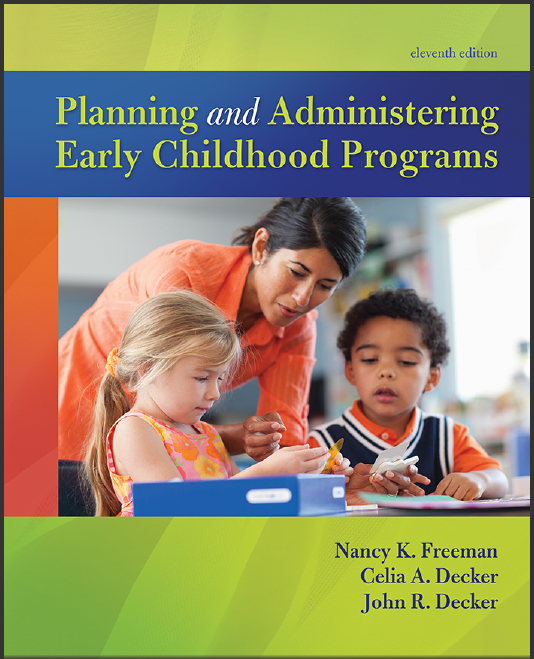
Test Bank for Planning and Administering Early Childhood Programs 11th edition by Nancy Freeman, Celia Decker, John Decker ISBN 0134028651 9780134028651
Original price was: $70.00.$35.00Current price is: $35.00.
Instant download (Test Bank) Planning and Administering Early Childhood Programs 11e after payment
Test Bank for Planning and Administering Early Childhood Programs 11th edition by Nancy Freeman, Celia Decker, John Decker – Ebook PDF Instant Download/Delivery: 0134028651 , 9780134028651
Full download Planning and Administering Early Childhood Programs 11th edition after payment
Product details:
ISBN 10: 0134028651
ISBN 13: 9780134028651
Author: Nancy Freeman, Celia Decker, John Decker
Here’s the practical, hands-on information educators need in order to become successful administrators of childcare centers and child development centers. With a focus on what center directors need to know and what they need to be able to do, the book guides readers through the process of identifying a program’s core values and drafting mission and vision statements. Included is coverage of current issues such as the factors affecting supply and demand for childcare as well as the initiatives to enhance program quality, ensure affordability, and provide access to all children and families. Planning and Administering Early Childhood Programs addresses the latest trends affecting the childcare workforce and provides specific guidance for recruiting, hiring, and retaining quality personnel, including job descriptions and hiring practices. The role of the program administrator as mentor, coach, and instructional leader are covered, along with important business issues within the administrator’s responsibilities, such as financial planning and budget development and management, how to use social media effectively, program evaluation, facility planning and management, and much more.
Planning and Administering Early Childhood Programs 11th Table of contents:
Chapter 1 Overview of Early Care and Education and Program Administration
Management Knowledge and Skills
1. Personal and Professional Self-Awareness
3. Staff management and human relations
8. Leadership and Advocacy
Early Childhood Knowledge and Skills
1. Historical and Philosophical Foundations
2. Child growth and development
5. Children with special needs
10. Professionalism
Learning Outcomes
Why Are the Early Years Important?
Putting Programs of Early Care and Education into Context
National and State Child Care Initiatives
Types of Early Childhood Programs
Most Common Types of Child Care
Special Services in Child Care
Quality: The Overriding Concern
Characteristics of Quality
Parents as Consumers of Child Care
How Can Directors Move Their Programs Toward Excellence?
The Roles of a Director
Effective Leadership
The Journey Begins…
Your Own Journey
Summary
Useful Websites
National Resource Center for Health and Safety in Child Care and Early Education
The U. S. Department of Labor Bureau of Labor Statistics Occupational Outlook Handbook
Kids Count
National Association for the Education of Young Children (NAEYC)
To Reflect
Chapter 2 Identifying the Program’s Core Values, Developing Its Vision and Mission Statements, and Planning for Program Evaluation
Management Knowledge and Skills
1. Personal and Professional Self-Awareness
8. Leadership and Advocacy
Early Childhood Knowledge and Skills
2. Child growth and development
3. Child observation and assessment
10. Professionalism
Learning Outcomes
Developing a Statement of Your Program’s Core Values
Core Values of Early Childhood Education
Theories of Teaching and Learning
A Brief Review of Developmental Theories That Have Influenced Early Childhood Education
Theories of Cognitive Development:
Theories of Social and Emotional Development:
Philosophical Views About the Purpose of Education
Considering the Values of Your Community
Your Program’s Core Values
Developing a Vision Statement: Identifying Where Your Program Is Headed
Developing a Mission Statement: Your Plan for Realizing Your Vision
Planning for Program Evaluation
Types of Evaluations
Assessing Program Inputs
Assessing Program Outcomes
Summary
Useful Websites
National Pre-K and Early Learning Evaluation Center
State of Washington Office of Superintendent of Public Instruction (OSPI)
Top Nonprofits
To Reflect
Chapter 3 Understanding Regulations, Accreditation Criteria, and Other Standards of Practice
Management Knowledge and Skills
Early Childhood Knowledge and Skills
Learning Outcomes
Considering Regulations
Regulations to Address When Establishing a New Program
Licensing Regulations:
Zoning and Land Use Regulations:
Building Codes and Requirements Related to Fire Safety and Sanitation:
Applying for an Initial Child Care Center License:
Licensing Regulations That Guide Program Development and Implementation
Child Care Center Regulations:
Family Child Care Regulations:
Reviewing and Revising Child Care Regulations:
Regulations That Apply to Governmental Agency’s Programs:
Concerns about Regulatory Policies:
Accreditation
Quality Rating and Improvement Systems
Staff Qualifications Addressed in Licensing and Head Start Regulations, Accreditation, and Qris Systems
Directors’ Qualifications
Licensing Standards, Head Start Regulations, and Other Systems That Address Directors’ Qualifications:
Accreditation and QRIS Standards That Address Directors’ Qualifications:
Teachers’ Qualifications
Licensing Standards, Head Start Regulations, and Other Systems That Address Teachers’ Qualifications:
Specialized Teacher Qualifications:
Meeting Legal Requirements
Selecting the Best Type of Business Entity
Proprietorship:
Partnership:
Limited Liability Company (LLC):
Corporation:
Potential Vulnerability to Legal Actions:
Operating a Child Care Center Is a Business
Laws That Protect Employees
Title VII of the Civil Rights Acts of 1964 and as Amended by the Equal Opportunity Act of 1972:
Americans with Disabilities Act:
Fair Labor Standards Act:
Family and Medical Leave Act (FMLA):
The Patient Protection and Affordable Care Act (ACA):
Legal Responsibilities and Vulnerabilities:
Laws That Protect Children
Summary
Useful Websites
National Resource Center for Health and Safety in Child Care and Early Education
National Association for the Education of Young Children (NAEYC) Academy
QRIS National Learning Network
Caring for Our Children
Head Start Program Performance Standards
Child Care Licensing Study
Child Care Aware® of America We Can Do Better
Fire Safety in Day Care Centers: What Parents Need to Know
To Reflect
Chapter 4 Policies and Procedures: Tools to Ensure Your Program’s Smooth Operation
Management Knowledge and Skills
Early Childhood Knowledge and Skills
Learning Outcomes
Policies and Procedures: Tools to Ensure Your Program’s Smooth Operation
Policies and Procedures Guide Both Employees and Families
Policies and Procedures Addressed in Licensing Regulations
Requirements Addressed by Voluntary Standards
Characteristics of Viable Policies and Procedures
How Do Policies and Procedures Contribute to the Center’s Smooth Operation?
Who Is Responsible for Developing Policies and Procedures?
Developing and Revising Your Center’s Family Handbook and/or Staff Manual
Developing the Family Handbook and Staff Manual for a New Program:
Developing a Family Handbook and Staff Manual for an Existing Center or Making Major Revisions to Existing Documents:
Refining the Existing Family Handbook and/or Staff Manual:
Using Established Policies and Procedures
Categories of Policies and Procedures
What Topics Need to Be Addressed in the Staff Manual?
What Topics Need to Be Addressed in the Family Handbook?
What Information Should Be in the Administrator’s Manual?
Summary
Useful Websites
Federal Laws and Regulations
Employment Law Guide
Family Educational Rights and Privacy Act (FERPA)
U.S. Equal Employment Opportunity Commission (EEOC)
Family and Medical Leave Act (FMLA)
Americans with Disabilities Act (ADA)
Commonly Asked Questions About Child Care Centers and the Americans with Disabilities Act
Materials to Guide the Development and Implementation of Policies and Procedures
Caring for Our Children
Is America Prepared to Protect Our Most Vulnerable Children in Emergencies?
T.E.A.C.H.® Early Childhood Project
South Carolina ABC Child Care Program Sample Documents
To Reflect
Chapter 5 Recruiting, Hiring, Leading, and Managing Personnel
Management Knowledge and Skills
Learning Outcomes
Early Childhood Program Personnel
Roles and Qualifications of Personnel
Director:
Director’s Role.
Professional Qualifications of Directors.
Personal Characteristics of Directors.
The Teaching Staff:
Teachers’ Role.
Professional Qualifications of Teachers of Young Children.
Personal Characteristics of Teachers of Young Children.
Assistant Teachers’ Role.
Professional Qualifications of Assistant Teachers.
Personal Characteristics of Assistant Teachers.
Support Personnel:
Substitutes:
Allied Professionals:
Job Descriptions
Recruiting and Hiring Program Personnel
The Recruitment Process
Application:
Circulating the Position Announcement:
Evaluating Applications:
Checking References:
Interviewing Promising Applicants:
What Should You Ask in an Interview?
Securing Background Checks and Eligibility Verification:
Final Interview:
Hiring Your New Employee:
Concluding the Search:
Staffing Trends
High Turnover:
Low Compensation:
High Job Stress:
Inadequate Preparation:
The Director as the Program’s Leader
Be an Excellent Communicator
Make Your Center a Great Place to Work
Cultural Relevance:
Enhance the Staff’s Professional Knowledge and Skills
Characteristics of Effective Professional Development
On-Site Staff Development:
Coaching and Mentoring as Forms of Professional Development:
Credit-bearing Forms of Professional Development:
Providing Staff with Constructive Feedback on Their Performance
Tools for Assessing Teachers’ Performance.
The Annual Performance Review Process.
The Director as Manager
Delegating Responsibilities
Personnel Services
Contracts and Forms Required from New Employees.
Insurance and Retirement Plans
Federal Insurance Contributions Act (FICA):
Workers’ Compensation Insurance:
State Unemployment Insurance:
Liability Insurance:
Health Insurance:
Crime Coverage:
Retirement Programs:
Essential Confidential Files
Personnel files:
Children’s files:
Summary
Useful Websites
U. S. Citizenship and Immigration Services I-9 Central
Core Competencies for Early Childhood Professionals
T.E.A.C.H.® Early Childhood Project
To Reflect
Chapter 6 Creating Quality Learning Environments
Management Knowledge and Skills
Early Childhood Knowledge and Skills
Learning Outcomes
Planning a New or Renovated Facility
The Facility’s Entry and Indoor Spaces
The Entry/Exit Area
Designing Indoor Spaces
Lighting; Acoustics; Ventilation, Heating, and Cooling; Floor and Wall Coverings; and Color Schemes:
Lighting:
Acoustics:
Ventilation, Heating, and Cooling:
Floors:
Ceilings:
Walls:
Colors:
Storage and Display:
Storage:
Display:
Classroom Configuration, Furniture and Furnishings, and Room Arrangement
Classroom Configuration:
Furniture and Furnishings.
Principles of Arranging Classrooms:
Creating Learning/Activity Centers for Preschoolers and School-Age Children
Defining Space:
Allowing Sufficient Space:
Providing Acoustic Isolation:
Arranging Equipment and Materials:
Appropriate Environments for Infants and Toddlers
Learning/Activity Centers for Preschoolers
Block Center:
Dramatic Play Center:
Art Center:
Music Center:
Water and Sand Center:
Carpentry or Woodworking Center:
Science and Mathematics Center:
Cooking Center:
Manipulatives and Small Construction Toy Center:
Language Arts and Computer Center:
Learning/Activity Centers for Primary-Grade Children
Activity Centers for School-Age Child Care:
Additional Areas in Classrooms
Children’s Cubbies:
Infants’ Diapering and Toileting Areas:
Diapering Area.
Children’s Toileting Areas.
Food Preparation, Feeding, and Dining Areas
Napping Areas
Developing Classroom Floor Plans
Areas for Adults
Family Reception Area:
Adult Lounge/Rest Room:
Staff Workroom:
Professional Library:
Office:
Isolation Area:
Outdoor Spaces for Play
The Features of the Outside Play Environment
Location:
Size:
The Fence:
Terrain:
Surface:
Shade and Shelter:
Storage:
Outdoor Space Arrangement
Outdoor Areas for Infants and Toddlers
Spaces Specifically for Young Infants.
Spaces Specifically for Mobile Infants and Toddlers.
Outdoor Areas for Older Children:
Play Experiences and Zones.
General Criteria for Arranging Zones.
Specific Zones and Equipment.
Regulations:
Supervision:
Separating Play Areas:
Equipment Hazards:
Surfacing Under Playground Equipment:
Purchasing and Maintaining Equipment and Materials
Purchasing Guidelines
Purchasing Instructional Materials
Purchasing Kits and Sets:
Purchasing Children’s Books:
Purchasing Computers, Cameras, and Related Hardware and Software:
Caring for Equipment and Materials
Summary
Useful Websites
Center for Green Schools
EWG Guide to Healthy Cleaning
Consumer Product Safety Commission Crib Standards
South Carolina Infant/Toddler Materials GuideSouth Carolina Preschool Materials Guide
Environment Rating Scales
Handbook for Public Playground Safety
Playground Safety Checklist
Poisonous Plant Resource for Child Care Providers
All Kids Count: Child Care and the ADA
Boundless Playgrounds
Safe Kids Worldwide
A Parent’s Guide to Internet Safety
To Reflect
Chapter 7 Managing Your Program’s Finances
Management Knowledge and Skills
Learning Outcomes
Tuition and Other Sources of Income
Determining What You Should Charge for Tuition
How Families Manage Paying for Child Care
External Funding Sources
Government Funding:
Federal Support for Early Education.
State Support for Early Education.
General Guidelines about Government Funding:
Securing Grants
Fund-Raising
Costs of Operting an Early Childhood Program
Estimating Program Costs
Salaries:
Other Costs:
Budgeting
Two Kinds of Budgets
Start-Up Budget.
Operating Budget:
Estimating Income:
Estimating Expenses:
Managing the Budget
Budget Reports
Planning for Large Expense Items
Summary
Useful Websites
Child Care Aware: Preparing a Budget
Occupational Employment Statistics Child Care Workers
National Women’s Law Center Tax Credits Outreach
CCDF Grantee State and Territory Contacts
State Preschool Yearbook
Child Care Software Reviews and Recommendations
To Reflect
Chapter 8 Marketing Your Program of Early Care and Education
Management Knowledge and Skills
Learning Outcomes
Developing and Implementing an Effective Marketing Plan
Developing an Effective Marketing Plan
Find Your Market Niche:
How will you know if your marketing plan has been successful?
Conduct a Market Analysis to Learn About Your Community:
Learn About the Families Most Likely to Enroll in Your Program:
Learn About Your Competition:
Plan Marketing Strategies Based on What You Have Learned:
Create a Marketing Action Plan:
Effective Marketing Strategies for Child Care
Internal Marketing
Families’ First Impressions:
Keeping Currently Enrolled Families Satisfied:
All Center Staff Are Essential Members of Your Marketing Team:
External Marketing
Print Marketing:
Developing a Brochure:
Direct Mail:
Other Forms of Printed Promotional Materials:
Online Marketing:
Using Email Effectively:
Program Website:
Social Media:
Person-to-Person Marketing:
Summary
Useful Websites
U.S. Census Bureau State & County QuickFacts
Website Usability Checklist
To Reflect
Chapter 9 Teaching and Learning in the Children’s Program
Management Knowledge and Skills
Early Childhood Knowledge and Skills
Learning Outcomes
Planning for Instruction
Developmentally Appropriate Practices: The Foundation of Excellence
Knowledge of Child Development and Learning:
Knowing Each Child as an Individual:
Considering Children with Developmental Delays or Disabilities:
Considering Children Who Are Exceptionally Bright:
Considering Children Who Are Dual Language Learners:
The Director’s Role in Meeting All Children’s Needs:
The Community’s Social and Cultural Contexts:
Anti-Bias Education
Standards: Describing What Children Are Expected to Know and Be Able to Do
Curriculum
Teaching Strategies
Child-Initiated Activities and Scaffolding
Direct Instruction
Technology as a Tool to Support Learning and Development
Setting the Stage for Learning
Grouping
The Daily Schedule
Summary
Useful Websites
Fred Rogers Center
The Early Childhood Technical Assistance Center (ECTA Center)
Connect: The Center to Mobilize Early Childhood Knowledge
The National Association for the Education for Young Children (NAEYC)
The National Center on Early Education Research (NIEER)
To Reflect
Chapter 10 Providing Quality Nutrition and Creating a Healthy and Safe Environment
Management Knowledge and Skills
Early Childhood Knowledge and Skills
Learning Outcomes
Promoting Healthy Eating and Providing High-Quality Meals and Snacks
The Importance of Good Nutrition
Childhood Obesity Is of Special Concern:
Serving Nutritious Meals and Snacks
Guidelines for Feeding Infants and Toddlers:
Guidelines for Feeding Preschoolers:
Addressing Children’s Special Dietary Needs:
Food Allergies.
Food-Related Diseases and Conditions.
Children with Developmental Delays or Disabilities.
Hiring Staff and Meeting Food Service Program Requirements
Hiring Staff:
Facilities and Equipment:
Purchasing Food:
Meeting Sanitation Requirements:
Nutrition Education
Integrating Nutrition Education into the Curriculum:
Sharing What You Know with Families:
Promoting Good Health
Assessing the Health of Adults and Children
Staff:
Children:
Preventive Practices
Ensuring Access to Health Care:
Preventing Infections:
Immunizations.
Washing Hands and Brushing Teeth.
Careful Cleaning.
Diapering Procedures.
Training to Protect the Health of Children and Staff:
Informing Families About Issues Related to Their Children’s Health
Providing Care for Children Who Are Ill
Children’s Mental Health
Being Safe
Addressing Children’s Safety while They Are in Your Care
Setting Limits for Children:
Keeping Your Facility Safe:
Playground Safety.
When Accidents Happen.
Avoid Children’s Exposure to Toxic Chemicals.
Vehicular Safety
Preparing for Emergencies
Assessing Risks:
Teaching Children to Be Safe:
Being Proactive in Protecting Children’s Well-Being:
Summary
Useful Websites
Body Mass Index (BMI) Calculator for Children and Teens
Diet and Fitness Today
Choose My Plate
Child and Adult Care Food Program (CACFP)
USDA Healthy Meals Resource System
National Food Service Management Institute (NFSMI)
How to Feed Children
Caring for Our Children
Healthy Child Care America
Model Child Care Health Policies
Consumer Product Safety Commission
To Reflect
Chapter 11 Child Assessment: An Essential Component of Quality Early Childhood Programming
Management Knowledge and Skills
Early Childhood Knowledge and Skills
Learning Outcomes
The Importance of Appropriate Assessment
Performance Assessment
Performance Assessments
Open-Ended Observations:
Focused Observations:
Structured Observations:
Interviews
Collecting Work Samples
Portfolios
Tools for Structuring Documentation and Analysis
Sharing Child Assessment Information
Family Educational Rights and Privacy Act (FERPA)
Kindergarten Readiness Assessments
Summary
Useful Websites
Defending the Early Years
FairTest: The National Center for Fair and Open Testing
National Institute for Early Education Research (NIEER)
Child Trends
To Reflect
Chapter 12 Working with Families and Communities
Management Knowledge and Skills
Early Childhood Knowledge and Skills
Learning Outcomes
Early Childhood Educators’ Long History of Partnering with Families
Collaboration: A Crucial Element of Quality Programming
Three Approaches to Working with Families
Benefits and Challenges of Working with Families
Threefold Benefits of Family–School Collaboration
Benefits for Children:
Benefits for Families:
Benefits for Programs:
Challenges to Family Involvement
Differences Can Create Barriers to Family–School Collaboration:
Family Structure.
Socioeconomic Status.
Cultural Diversity.
Linguistic Diversity.
Tension between Families and Center Personnel Can Make Collaboration Difficult:
Teachers Are Often Not Well Prepared to Work with Families:
Meeting the Challenges of Collaboration
Creating Trusting Relationships with All Families
Helping Families Become Acquainted with Your Program
The Family’s Initial Contact with the Center:
Spring or Fall Orientation:
Curriculum Meeting and Open House:
Home Visits:
Communicating with the Families of Enrolled Children
Regular Communications:
Communicating with the Families of Infants/Toddlers.
Communicating with Families of Preschoolers.
Telephone and Email Conversations.
Newsletters.
Accident Reports.
Other Ways to Communicate.
Regularly Scheduled Individual Conferences:
Specially Called Individual Conferences:
Resources for Families
Family Resource Room:
Meetings about Special Topics:
Family Support Programs:
Home-Visiting Programs.
Family Discussion Groups.
Resource Centers.
Self-Improvement Programs.
Family Support Programs.
Welcoming Families’ Contributions
Classroom Visits:
Family Members as Volunteers:
Making a Place for Family Volunteers.
Occasional Volunteers.
Workdays:
Early Childhood Educators’ Long History of Partnering with their Communities
Tapping into Family and Community Support through Advisory Committees and Boards of Directors
Summary
Useful Websites
National Charter School Resource Center
Adoptive Families
Creating a Family
Welcoming Schools
Teaching Tolerance
Harvard Family Research Project
National Association for the Education of Young Children (click on “For Families”)
Zero to Three, particularly Parenting Resources
To Reflect
Chapter 13 Contributing to the Profession
Management Knowledge and Skills
Early Childhood Knowledge and Skills
Learning Outcomes
Promoting Professionalization1
Moving Toward Professionalism: Professional Preparation and Reliance on the NAEYC Code of Ethical Conduct
Professional Preparation:
Reliance on the NAEYC Code of Ethical Conduct:
Other Criteria of Professionalism:
Engaging in Informed Advocacy
Becoming an Effective Advocate
An Advocate’s Toolbox
Important Reminders!
Investing in the Profession’s Future
Supporting Developing Professionals
Supporting Research
Teachers as Researchers
Summary
Useful Websites
Websites for Professional Ethics Resources
National Association for the Education of Young Children (NAEYC)
Websites for Advocacy Resources
Campaign for a Commercial Free Childhood
Family and Work Institute
Moms Rising
NAEYC Advocacy Toolkit
Zero to Three
Website for Reports of Teacher Research
Voices of Practitioners
To Reflect
Appendix 1 Suppliers of Materials and Equipment for Early Childhood Programs
Suppliers of Children’s Furniture and Learning Materials
Suppliers of PlaygRound Equipment and design services
Reviews of Children’s Videos, Software, and Apps
Suppliers of Specialized Materials and Services
Selecting Children’s Books
Resources/Tools for Teachers and Professional Development
Business Management Software
Appendix 2 NAEYC Code of Ethical Conduct and Statement of Commitment
Preamble
Core Values
Conceptual Framework
A—Responsibilities to Co-Workers
B—Responsibilities to Employers
Appendix 3 NAEYC Code of Ethical Conduct Supplement for Early Childhood Program Administrators
Purpose of the Supplement
Core Values
Conceptual Framework
Ideals and Principles
1. Ethical Responsibilities to Children
2. Ethical Responsibilities to Families
3. Ethical Responsibilities to Personnel
4. Ethical Responsibilities to Sponsoring Agencies and Governing Bodies
5. Ethical Responsibilities to Community, Society, and the Field of Early Childhood Education
Appendix 4 Professional Organizations of Interest to Early Childhood Educators
References
Name Index
People also search for Planning and Administering Early Childhood Programs 11th:
planning and administering early childhood programs 11th edition pdf free
planning and administering early childhood programs 11th edition pdf
borrow planning and administering early childhood programs
planning and administering early childhood programs pdf
planning and administering early childhood programs 11th ed
Tags: Nancy Freeman, Celia Decker, John Decker, Administering Early, Childhood Programs