


Test Bank for Positive Child Guidance 8th Edition by Darla Ferris Miller – Ebook PDF Instant Download/Delivery: 8214350585 , 9798214350585
Full download Positive Child Guidance 8th edition after payment
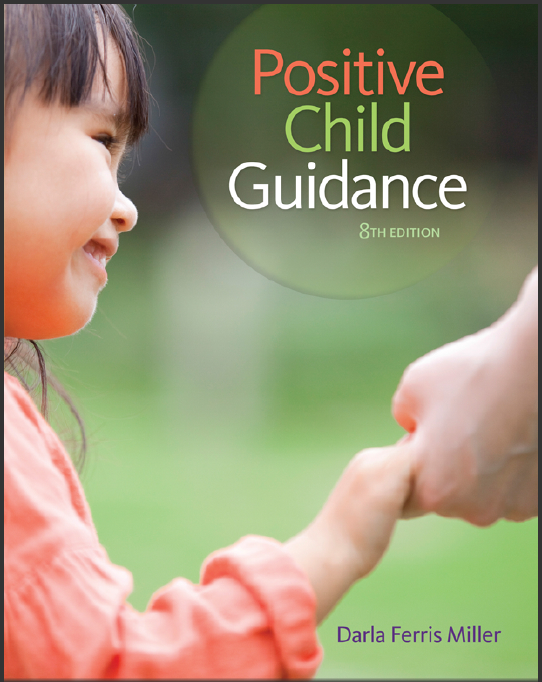
Product details:
ISBN 10: 8214350585
ISBN 13: 9798214350585
Author: Darla Ferris Miller
POSITIVE CHILD GUIDANCE, Eighth Edition, equips readers with information on how to guide, manage, and cope with the behavior of children. The book provides insight into children’s efforts to understand their own emerging needs and feelings while coping with adult expectations. The author outlines workable steps for creating a cooperative, respectful community of children and adults, with special emphasis on sensitivity to cultural needs, cultural differences, and developmentally appropriate practice. You’ll also find a range of practical, effective, and flexible guidance strategies based on principles of straightforward communication and assertiveness. This new edition includes critical advances in research and addresses the cultural trends that are changing the way babies and children are cared for today.
Positive Child Guidance 8th Table of contents:
Part One. Preparing for Positive Guidance
Chapter 1. Why Guidance Matters
1-1. Child Rearing in Today’s World
1-2. What Is Developmentally Appropriate Practice?
1-3. Why Is Positive Child Guidance Training Important for Parents, Caregivers, and Teachers?
1-3a. Who Should Be Responsible for the Well-Being and Guidance of Children?
1-3b. Committing to Becoming the Child’s Resource Team
1-4. What Is the Purpose of Child Guidance?
1-4a. Does This Book Have a Special Point of View on Guidance?
1-5. Short-Term Objectives for Child Guidance
1-5a. Do Children Have Rights?
1-5b. How Do We Tell the Difference between Enforcing Reasonable Safety Rules and Being Overprotective?
1-6. Long-Term Goals for Child Guidance
1-6a. The Nurturing Environment and Long-Term Development
1-6b. Why Should Children Be Involved in Maintaining and Protecting Their Environment?
1-6c. Children—Our Investment in the Future
Summary
Key Terms
Student Activities
Related Resources
Chapter 2. Historical Perspectives and Guidance Theories
2-1. Historical Perspectives
2-1a. How the Modern World Has Influenced Thinking about Child Guidance
2-2. The Child in Society
2-2a. How Life is Different for Children in Today’s Changing World
2-2b. Preparation for Participation in a Democracy
2-2c. How Early Influences Affect Children and Their Learning of Appropriate Behavior
2-2d. The Strain of Changing Disciplinary Traditions
2-3. Philosophies of Guidance
2-3a. Is a Child’s Personality Mostly the Result of Nature or Nurture?
2-3b. What Do Researchers Say about the Origin of Intelligence and Personality?
2-3c. How Do I Know which Philosophy Is Right?
Summary
Key Terms
Student Activities
Related Resources
Chapter 3. Understanding Children’s Behavior
3-1. Typical Ages and Stages
3-2. Infants (Birth to 12 Months)
3-2a. Do Infants Intentionally Respond by Crying?
3-2b. Can Babies Misbehave on Purpose?
3-2c. Infant Brain Development
3-2d. Reflex Responses and Unconscious Conditioning
3-2e. Conditioning
3-2f. Operant Conditioning
3-2g. Metacognition
3-2h. How Do Babies Develop Control of Their Actions?
3-2i. Why Do Babies Cry?
3-2j. When Do Babies Begin Learning Language?
3-2k. Can Babies Understand Body Language?
3-2l. How Do Trauma and Chronic Stress Affect an Infant’s Brain Development?
3-2m. How Do Babies Develop Trust?
3-2n. What Is Learned Helplessness?
3-2o. How Do I Answer Parents’ Sleep Questions?
3-2p. Which Is Best: Flexible Spontaneity or Predictable Routines?
3-2q. What Are Interaction Styles?
3-2r. What Do We Mean by Secure Attachment to Caregivers?
3-2s. Why Do Babies Cling?
3-2t. Separation and Stranger Anxieties
3-2u. How Do Babies Perceive Themselves and Their Surroundings?
3-3. Toddlers (12 Months to 3 Years)
3-3a. Can Toddlers Control Their Feelings and Actions?
3-3b. How Does Awareness of Cause and Effect Develop?
3-3c. Toddlers Need to Explore Their Surroundings
3-3d. Safety Is a Major Issue in Toddler Care
3-3e. How Does Verbal Communication Begin?
3-3f. What Kind of Language Experiences Are Good for Toddlers?
3-3g. Stranger and Separation Anxiety
3-3h. How Can I Make Friends with a Shy Toddler?
3-3i. Why Are Toddlers so Possessive?
3-3j. Why Do Some Toddlers Become so Attached to Security Blankets, Pacifiers, and Other Cuddlies?
3-3k. Why Are Toddlers Stubborn One Minute, Then Clingy the Next?
3-3l. Are Toddlers Aware of Themselves?
3-3m. Why Do Toddlers Get so Excited and Happy when They Imitate Each Other?
3-4. Preschoolers (3 to 5 Years)
3-4a. Can Preschoolers Make Plans and Decisions?
3-4b. Talking to Preschoolers about Sensitive Issues
3-4c. Communicating Successfully with Preschoolers
3-4d. Teaching Preschoolers to Use Words to Express Their Feelings
3-4e. Friendships Are Important to Preschoolers
3-4f. How Do Preschoolers Learn to Accept Responsibility?
3-4g. How Can I Support Independence in Preschoolers?
3-4h. How Can I Help Preschoolers Follow Rules?
3-4i. How Do Preschoolers Develop a Positive Sense of Self?
3-4j. Should Children Be Encouraged to Compete?
3-5. Early School-Agers (5 to 8 Years)
3-5a. Why Do Early School-Agers Ask so Many Questions?
3-5b. Why Do They Get so Angry if They Don’t Win?
3-5c. Why Do They Call Each Other Names and Say Hurtful Things?
3-5d. How Can I Earn the Respect of School-Agers?
3-5e. Why Do Early School-Agers Resist Going to Child Care?
3-5f. Why Do Early School-Agers Get so Upset about Fairness?
3-5g. Why Do They Insist on Picking Their Own Clothes?
3-5h. How Can We Help Early School-Agers Develop Initiative?
3-5i. How Can We Support the Early School-Age Child’s Self-Esteem?
3-6. Older School-Agers (9 to 12 Years)
3-6a. Why Do Older School-Age Children Argue so Much?
3-6b. How Can I Get Older School-Agers to Trust and Respect Me?
3-6c. Why Do Older School-Agers Try so Hard to Be Popular?
3-6d. The Role of Media in the Lives of Older School-Age Children
3-6e. Puberty
3-6f. How Can We Support Older School-Agers’ Self-Esteem?
Summary
Key Terms
Student Activities
Related Resources
Part Two. Valuing the Uniqueness of Each Child
Chapter 4. How to Observe Children
4-1. Identifying Personal Biases
4-1a. Responding More Objectively to Individual Children
4-2. The Observation Sequence
4-2a. How Observation Supports Positive Guidance
4-2b. What Do I Need to Get Started?
4-2c. How Will I Use My Observations?
4-2d. How Does My Observation Become a Plan?
4-2e. What if My Plan Does Not Work?
4-2f. How Can I be Sure My Plan is Working?
4-3. Observation Strategies
4-3a. What Is an Anecdotal Record?
4-3b. What Is a Running Account?
4-3c. What Is Time Sampling?
4-3d. What Is Event Sampling?
4-3e. Which Method of Recording Observations Works Best?
Summary
Key Terms
Student Activities
Related Resources
Chapter 5. Serving Culturally Diverse Children and Families
5-1. Culture Gives Meaning to Our Lives
5-1a. What Is Ordinary Culture?
5-1b. Does Everyone Have Culture?
5-1c. How Does Culture Affect Early Social and Emotional Development?
5-2. Understanding Children and Families in the Context of Their Communities
5-2a. Bronfenbrenner Suggests We Visualize the Child’s Inner Self
5-2b. Unconditional Acceptance
5-3. Prejudice, Racism, and Discrimination
5-3a. Where Did Prejudice Come From?
5-3b. When Does Discrimination Begin?
5-3c. What Are Early Signs of Prejudice?
5-3d. How Can We Teach Young Children to Resist Bias?
5-3e. The Antibias Curriculum
5-3f. How Can I Spot Bias, Stereotypes, and Myths?
5-3g. What Is Our Ethical Responsibility?
5-4. How Culture Shapes Guidance
5-5. Respecting Cultural Differences
5-5a. What Things Should I Know so I Can Be More Considerate to People from Other Cultures?
5-5b. How Can I Help Parents from Other Cultures Feel More Comfortable?
5-5c. Will These Tips Keep Me from Culturally Offending Anyone?
5-5d. Honoring Families’ Religious Beliefs and Customs
5-5e. How Can I Help Children through Difficult Cultural Transitions?
5-5f. How Does Culture Affect Adults’ Styles of Interaction?
5-5g. How Does Culture Affect a Person’s Learning Approach?
5-5h. How Does Culture Affect Social Role Expectations?
5-5i. How Does Culture Shape Our Use of Language?
5-5j. How Does Culture Shape Our Intellectual Approach?
Summary
Key Terms
Student Activities
Related Resources
Chapter 6. Understanding Children with Ability Differences
6-1. How Can I Guide Children with Ability Differences?
6-1a. What Do Children with Ability Differences Need?
6-1b. Why Should We Include Children with Ability Differences?
6-1c. Do Children with Ability Differences Need DAP?
6-1d. Helping Children Treat People with Ability Differences with Respect
6-1e. Does a Different Appearance Affect a Child’S Life?
6-1f. How Should I Handle Teasing and Bullying?
6-1g. How Can I Support the Child with an Ability Difference?
6-1h. How Can I Support Parents of Children with Ability Differences?
6-2. Laws and Programs for Children with Ability Differences
6-2a. What Are the IEP and IFSP Processes?
6-2b. What if My Program isn’t Required to Provide an IEP?
6-2c. What if My Program Doesn’t Accept Children with Ability Differences?
6-3. How Do Various Health Conditions Affect Behavior?
6-3a. What Type of Ability Differences Am I Most Likely to Encounter?
6-3b. Hearing Impairment and Deafness
6-3c. Sensory Processing Disorder
6-3d. Down Syndrome
6-3e. Fetal Alcohol Spectrum Disorders
6-3f. Attention Deficit/Hyperactivity Disorder (ADHD)
6-3g. Intellectual Disability (ID)
6-3h. Pervasive Developmental Disorders
6-3i. Tourette’s Syndrome
6-3j. Bipolar Disorder
6-3k. Oppositional Defiant Disorder and Intermittent Explosive Disorder
6-3l. Conduct Disorder
Summary
Key Terms
Student Activities
Related Resources
Part Three. Preventing Behavior Problems
Chapter 7. Designing Developmentally Appropriate Environments inside and Out
7-1. How Does the Environment Nurture Appropriate Behavior?
7-1a. Three Key Elements of Prosocial Behavior
7-1b. The Vital Role of Play in Childhood
7-2. How Will I Design a DAP Indoor Environment?
7-2a. What Effect Does the Classroom Environment Have on Guidance?
7-2b. What Effect Does DAP Have on Child Guidance?
7-3. Creating a Calm, Peaceful Classroom Atmosphere
7-3a. Developmentally Appropriate Activities, Materials, and Routines
7-3b. Why Is Consistency Important?
7-3c. What Is Special about a DAP Environment?
7-3d. How Do Schedules Support Positive Behavior?
7-4. How Will I Design the Outdoor Environment?
7-4a. Supporting Physical Development
7-4b. Supporting Social/Emotional Development
7-4c. Supporting Cognitive Development
7-4d. Environmental Elements of a DAP Playground
7-4e. What Is a Green Playscape?
7-5. The Nurturing Social Environment
7-5a. The Importance of Playful Learning
7-5b. Creating a Cooperative Setting
7-6. The Nurturing Adult
7-6a. What about Physical Punishment?
7-6b. How Does a Nurturing Adult Respond to Aggression?
7-6c. Can Children Learn Appropriate Behavior through Imitation?
7-6d. Can I Be both Assertive and Caring?
7-6e. Am I Willing to Protect Individual Rights?
Summary
Key Terms
Student Activities
Related Resources
Chapter 8. Building Relationships through Positive Communication
8-1. Building a Foundation for Positive Communication
8-1a. How Can I Support Early Communication Skills?
8-1b. How Do Young Children Communicate?
8-1c. How Does American Sign Language Support Child Guidance?
8-1d. Why Is Communication Important for Child Guidance?
8-1e. How Does Attentive Listening Nurture a Sense of Belonging?
8-1f. Three Basic Human Needs Underlying Requests for Help
8-1g. Appropriate Responses to Requests for Action or Information
8-1h. Appropriate Responses to Requests for Understanding and Attention
8-1i. How Should I Respond to Requests for Inappropriate Interaction?
8-1j. Do Listening and Helping Strategies Work with Babies and Toddlers?
8-2. Addressing Underlying Feelings
8-2a. When and How Should Adults Express Their Feelings to Children?
8-3. Positive Instructions versus Negative Commands
8-4. Characteristics of Assertive Communication
8-4a. Key Factors in Assertive Communication
8-5. Characteristics of Nonproductive Communication
8-5a. How Do These Stereotypes Show up as Problems?
8-6. Resolving Confrontations Peacefully with Conflict Resolution
8-6a. When Is a Critical Conversation Needed?
8-6b. Should We Force Children to Apologize?
Summary
Key Terms
Student Activities
Related Resources
Chapter 9. Fundamental Causes of Positive and Negative Behavior
9-1. Moral Development Builds a Core for Positive Behavior
9-1a. Building Moral Intelligence
9-1b. How Do Young Children Learn Right from Wrong?
9-2. Methods to Support Children’s Moral Development
9-2a. Set Limits
9-2b. Model Appropriate Behavior
9-2c. Rely on Democratic Processes
9-3. Defining Negative Behavior
9-3a. What Do We Mean by Functional and Dysfunctional Behaviors?
9-3b. The Adult-Centered Definition of Misbehavior
9-3c. The Child-Centered Definition of Misbehavior
9-4. Temperament
9-4a. How Do Infants Show Differences in Temperament?
9-4b. How Can We Support the Spirited Child?
9-5. Underlying Causes of Problem Behavior
9-5a. Inappropriate Expectations
9-5b. Misunderstanding Expectations
9-5c. Immature Self-Control
9-5d. Silly Playfulness, Group Contagion
9-5e. Boredom
9-5f. Fatigue and Discomfort
9-5g. Desire for Recognition
9-5h. Discouragement
9-5i. Frustration
9-5j. Rebellion
Summary
Key Terms
Student Activities
Related Resources
Part Four. Positive Interventions
Chapter 10. Effective Guidance Interventions
10-1. Ignore Mildly Annoying Behavior that Is Not against the Ground Rules
10-1a. Focus Attention Elsewhere
10-1b. Discreetly Redirect Slightly Annoying Behavior to More Positive Substitute Behavior
10-1c. Assist the Child in Recognizing the General Effects of Positive Behaviors
10-1d. Dealing with Genitalia-Related Issues
10-2. Immediately Interrupt Behavior that Is Harmful or Unfair
10-2a. What Do I Do about Biting?
10-2b. Intervene as Firmly as Necessary but as Gently as Possible
10-2c. Maintain Objectivity
10-2d. Remove the Child from a Problem Situation
10-3. Assertively Shape Positive Behavior
10-3a. Teach Ground Rules
10-3b. Clarify Expectations
10-3c. Maintain Consistency
10-4. Adapt Objects, Events, and Attitudes to Remove Possible Causes of Problem Behavior
10-4a. Offer Assistance and Encouragement
10-4b. Give Undivided Attention
10-4c. Redirect Inappropriate Behavior Firmly and Respectfully
10-4d. Clearly Express Appropriate Feelings
10-4e. Explain the Natural Consequences of Unacceptable Behavior
10-4f. Provide Persistent Follow-Up
10-4g. Emphasize Unconditional Caring and Affection
10-4h. Maintain and Express Confidence that a Problem Will Be Resolved
10-4i. Protect Children’s Dignity and Privacy
10-4j. Be Willing to Start over to Forgive and Forget
Summary
Key Terms
Student Activities
Related Resources
Chapter 11. Mistaken Goals, Motivation, and Mindfulness
11-1. Can Misbehavior be Caused by Mistaken Goals?
11-1a. Mistaken Goal Number One: Attention-Seeking Behavior
11-1b. Mistaken Goal Number Two: Controlling Behavior
11-1c. Mistaken Goal Number Three: Disruptive Behavior
11-1d. Mistaken Goal Number Four: Withdrawn, Passive Behavior
11-2. Can Behavioral Problems Indicate Child Abuse or Neglect?
11-2a. How Can Child Abuse Fatalities be Prevented?
11-3. Meeting Adult Needs
11-4. What is the Difference between Punishment and Guidance?
11-4a. Think Twice before You Give Time-Out
11-4b. Consider “Time-Away” for Tantrums and other Troubles
11-5. Accepting the Consequences of One’s Behavior
11-5a. Natural Consequences
11-5b. Logical Consequence
11-5c. Avoid Rescuing Children from the Consequences of Their Own Actions
11-5d. Sometimes Intervening is Not Rescuing Children
11-5e. Should We Ask Children to Apologize?
11-6. Motivation for Behavior—Maslow’s Hierarchy
11-6a. How Can I Support the Child’s Development of Self-Esteem?
11-7. External Reinforcement
11-7a. What is Behavior Modification and How Should it be Used?
11-7b. Behavior Modification Does Not Work all the Time
11-8. How Can We Expand Children’s Social–Emotional Intelligence?
11-8a. How Do We Teach Children Social–Emotional Intelligence?
11-9. Moving toward Mindfulness
11-9a. What Does Mindfulness Mean?
11-9b. How Can Mindfulness Help Me?
Summary
Key Terms
Student Activities
Related Resources
NAEYC Professional Preparation Standards: A Correlation Chart
Appendix. Children’s Books Addressing Values and Feelings
References
People also search for Positive Child Guidance 8th :
positive child guidance by darla ferris miller
positive child guidance 8th edition ebook
positive child guidance 8th edition pdf free
positive child guidance 8th edition pdf
positive child guidance 9th edition
Tags: Darla Ferris Miller, Positive Child