


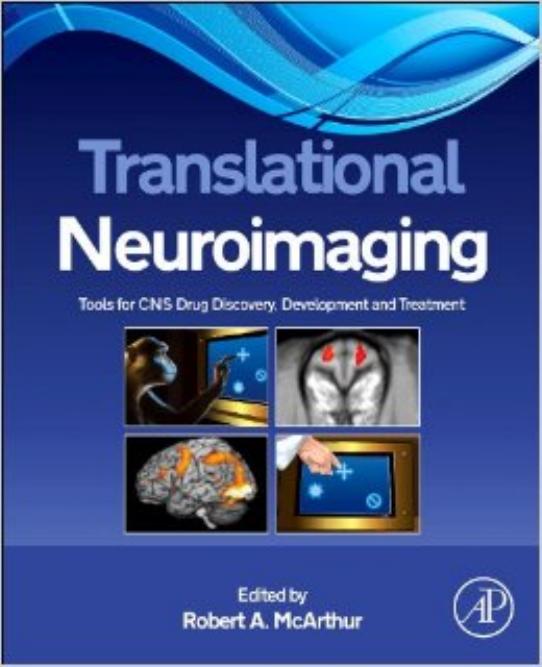
Translational Neuroimaging Tools for CNS Drug Discovery Development and Treatment 1st edition by Robert McArthur ISBN 0123869975 9780123869975
Original price was: $70.00.$35.00Current price is: $35.00.
Instant download Translational Neuroimaging Tools for CNS Drug Discovery Development and Treatment 4 8=8AB@0B @ after payment
Translational Neuroimaging Tools for CNS Drug Discovery Development and Treatment 1st edition by Robert McArthur – Ebook PDF Instant Download/Delivery: 0123869975, 9780123869975
Full download Translational Neuroimaging Tools for CNS Drug Discovery Development and Treatment 1st edition after payment

Product details:
ISBN 10: 0123869975
ISBN 13: 9780123869975
Author: Robert McArthur
Translational Neuroimaging: Tools for CNS Drug Discovery, Development and Treatment combines the experience of academic, clinical and industrial neuroimagers in a unique collaborative approach to provide an integrated perspective of the use of small animal and human brain imaging in developing and validating translational models and biomarkers for the study and treatment of neuropsychiatric disorders. Translational Neuroimaging: Tools for CNS Drug Discovery, Development and Treatment examines the translational role of neuroimaging in model development from preclinical animal models, to human experimental medicine, and finally to clinical studies. The focus of this book is to identify and provide common endpoints between species that can serve to inform both the clinic and the bench with the information needed to accelerate clinically-effective CNS drug discovery. This book covers methodical issues in human and animal neuroimaging translational research as well as detailed applied examples of the use of neuroimaging in neuropsychiatric disorders and the development of drugs for their treatment. Translational Neuroimaging: Tools for CNS Drug Discovery, Development and Treatment appeals to non-clinical and clinical neuroscientists working in and studying neuropsychiatric disorders and their treatment as well as providing the novice researcher or researcher outside of his/her expertise the opportunity to understand the background of translational research and the use of imaging in this field.
Translational Neuroimaging Tools for CNS Drug Discovery Development and Treatment 1st Table of contents:
Chapter 1. Neuroimaging Modalities: Description, Comparisons, Strengths, and Weaknesses
1.0 Introduction
2.0 Radiotracer Techniques
3.0 Electrophysiological Techniques
4.0 Magnetic Resonance Techniques
5.0 Advantages, Disadvantages, and Practical Considerations
References
Chapter 2. Magnetic Resonance Imaging as a Tool for Modeling Drug Treatment of CNS Disorders: Strengths and Weaknesses
1.0 Introduction
2.0 MRI
3.0 MRS
4.0 Bold fMRI
5.0 Arterial Spin Labeling of Blood Flow
6.0 Conclusions
Acknowledgments
References
Chapter 3. Small Animal Imaging as a Tool for Modeling CNS Disorders: Strengths and Weaknesses
1.0 Introduction
2.0 Setting Up and Imaging Awake Animals
3.0 Typical Study Designs
4.0 Summary
Acknowledgments
References
Chapter 4. Structural Magnetic Resonance Imaging as a Biomarker for the Diagnosis, Progression, and Treatment of Alzheimer Disease
1.0 Introduction
2.0 Functional Readout of Volumetric MRI
3.0 Correlation of Structural MRI with the Neuropathology of Alzheimer Disease
4.0 Prediction of Clinical Progression to Dementia
5.0 Structural MRI in Therapeutic Clinical Trials
6.0 Use of Structural MRI in a Regulatory Setting
7.0 Conclusions
References
Chapter 5. Positron Emission Tomography in Alzheimer Disease: Diagnosis and Use as Biomarker Endpoints
1.0 Introduction
2.0 Historical Perspective
3.0 Pet as a Biomarker for Alzheimer Disease
4.0 FDG-PET
5.0 Amyloid Pet
6.0 Clinical Relevance of Amyloid Pet
7.0 Future Directions
References
Chapter 6. Rethinking the Contribution of Neuroimaging to Translation in Schizophrenia
1.0 Schizophrenia: A Complex Neuropsychiatric Syndrome
2.0 Antipsychotic Treatment and Related Challenges
3.0 Functional Neuroimaging Markers
4.0 Structural Neuroimaging Markers
5.0 Treatment Effects
6.0 Conclusions
References
Chapter 7. Neuroimaging as a Translational Tool in Animal and Human Models of Schizophrenia
1.0 Introduction
2.0 Pharmacological Models
3.0 Neurodevelopmental Factors
4.0 Effects of Antipsychotic Drugs on Brain Function
5.0 Target Validation
6.0 Conclusion
References
Chapter 8. Functional Magnetic Resonance Imaging as a Biomarker for the Diagnosis, Progression, and Treatment of Autistic Spectrum Disorders
1.0 What is fMRI?
2.0 How has fMRI been used as a Tool to Provide Insights and Advancements in the Scientific Understanding of Autistic Spectrum Disorders?
3.0 Biological Motion and Social Perception
4.0 Failing to Read Intentions: Superior Temporal Sulcus Dysfunction in Autism
5.0 Responses to Biologically Meaningful Stimuli Reveal Neuroendophenotypes of Autistic Spectrum Disorders
6.0 What has been the Clinical Value of fMRI for Autistic Spectrum Disorders?
7.0 What is the Diagnostic Utility of fMRI in Autistic Spectrum Disorders?
References
Chapter 9. Translational Neuroimaging for Drug Discovery and Development in Autism Spectrum Disorders: Guidance from Clinical Imaging and Preclinical Research
1.0 Introduction
2.0 Clinical Imaging in Autism Spectrum Disorders
3.0 Preclinical Genetic Modeling of Autism Spectrum Disorders
4.0 Challenges and Approaches in Translating from Bench to Patients
References
Chapter 10. Neuroimaging as a Biomarker for the Diagnosis, Progression, and Treatment of Substance Abuse Disorders
1.0 Introduction
2.0 Neuroimaging Approaches in Addiction
3.0 Imaging Techniques
4.0 PET Studies in Addiction
5.0 Brain Imaging in Addiction
6.0 Conclusions
References
Chapter 11. Translational Neuroimaging: Substance Abuse Disorders
1.0 Introduction
2.0 Preclinical
3.0 Clinical-Experimental Medicine Models and Drug Studies
4.0 Translational Imaging of Substance Abuse Models for Drug Discovery and Development
References
Chapter 12. Neuroimaging Approaches to the Understanding of Depression and the Identification of Novel Antidepressants
1.0 Introduction
2.0 Imaging Techniques
3.0 Characterization of Disease State and Progression
4.0 Characterization of Therapeutic Manipulations
5.0 Use of Neuroimaging in Biomarker Identification and Early Drug Discovery
6.0 Behavioral Correlates and Use of Neuroimaging Biomarkers in Models of Depression
7.0 Reciprocal Nature of Neuroimaging Results in Animal and Human Models of Depression
8.0 Summary and Future Prospects
People also search for Translational Neuroimaging Tools for CNS Drug Discovery Development and Treatment 1st :
translational imaging
translational neuroimaging
translational imaging innovations
translational neural devices
translational imaging innovations inc
Tags: Robert McArthur, Translational Neuroimaging, Drug Discovery